
Wisdom teeth are the third molars that typically erupt during the late teenage years and into young adulthood. While they erupt without issue in some people, in other cases they may remain impacted due to insufficient space in the jaw or may press against surrounding teeth, causing pain, infection, and gum problems. In such cases, wisdom tooth extraction becomes an important treatment option for both alleviating current symptoms and preventing future oral and dental health problems.
Many people seek answers to questions they have about the recovery process after wisdom tooth extraction, how long the pain will last, dietary guidelines, and post-procedure precautions. In this guide, we’ll cover all the topics you’re curious about in detail—from when wisdom teeth should be extracted to the extraction process itself, the recovery period, care recommendations, and the factors that affect cost. This way, by learning what to expect before and after treatment, you can prepare for the process more effectively.
What Are Wisdom Teeth, and Under What Circumstances Do They Need to Be Extracted?
Wisdom teeth are the last molars to erupt in the mouth and typically begin to emerge between the ages of 17 and 25. While they may erupt without causing any problems in some people due to sufficient space in the jaw, in many others, they may remain impacted or erupt only partially due to lack of space, leading to various oral and dental health problems. For this reason, not every wisdom tooth needs to be extracted; the decision to extract a tooth is made by a dentist after evaluating the tooth’s position and the health issues it causes.
One of the most common issues is that of impacted wisdom teeth. Impacted teeth can put pressure on adjacent teeth, accelerate tooth decay, cause gum infections, and eventually lead to severe pain. Additionally, the buildup of bacteria around partially impacted teeth can increase the risk of bad breath and recurring infections. In such cases, extracting the wisdom tooth helps both alleviate current symptoms and prevent potential future complications.
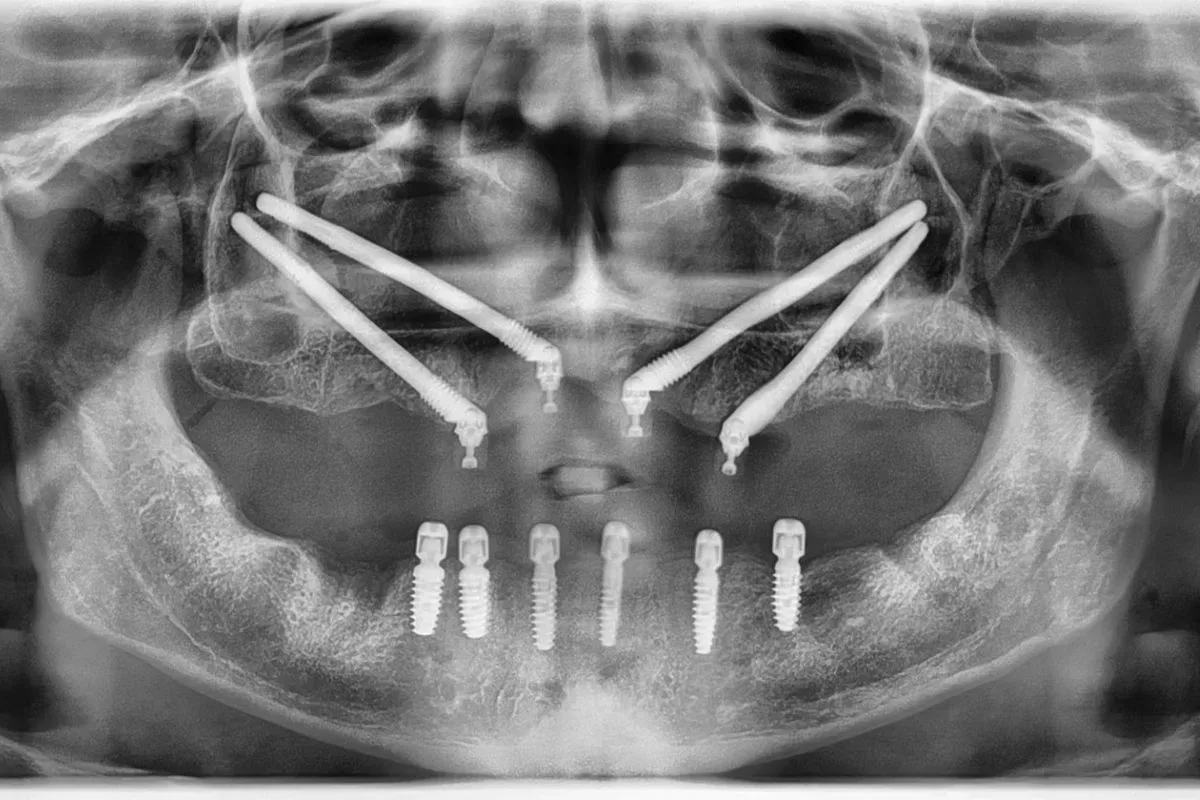
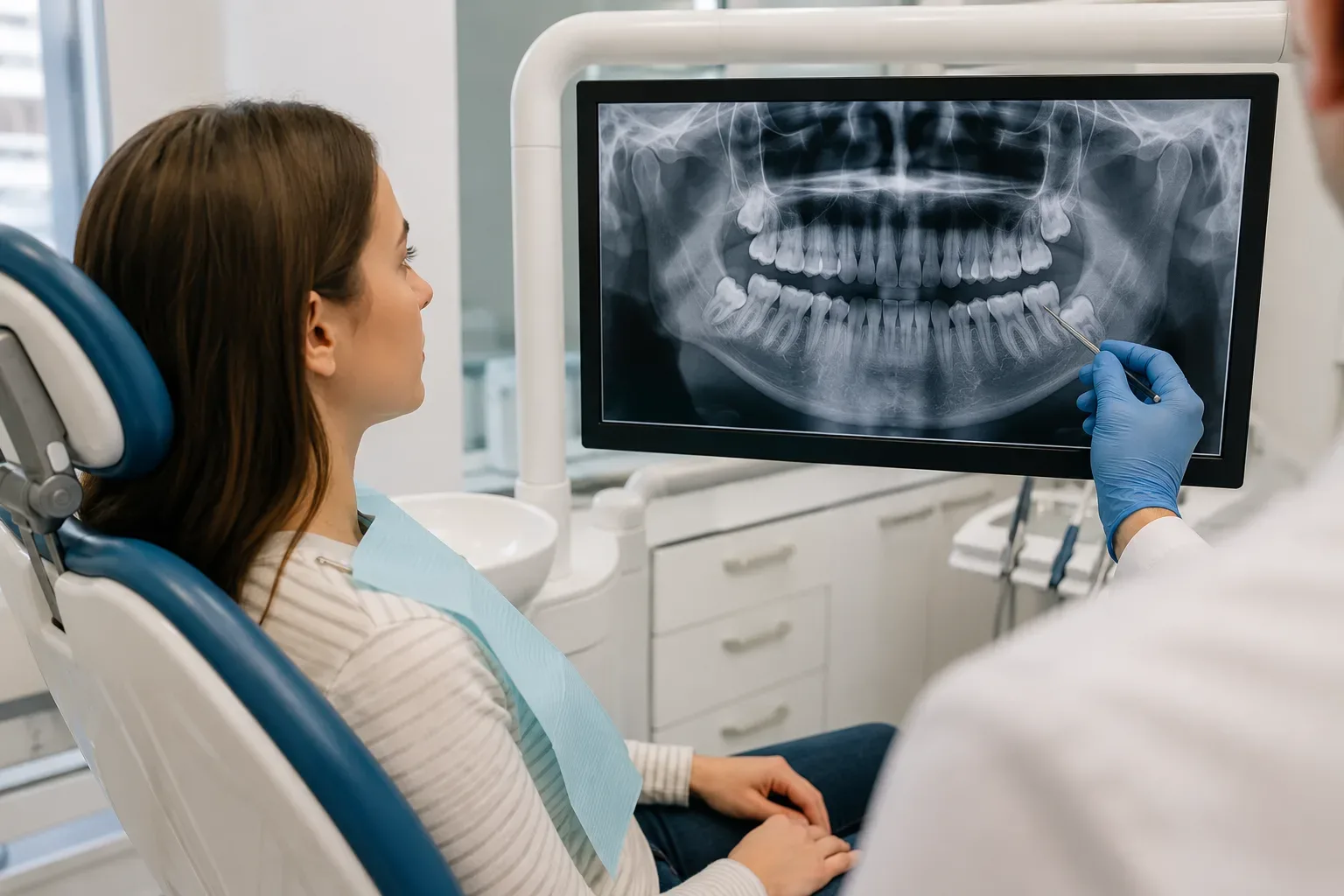
Before deciding to extract a wisdom tooth, a comprehensive dental examination is performed, and in most cases, the tooth’s position within the jawbone is examined in detail using a panoramic X-ray. This evaluation helps determine whether the tooth should be removed through standard extraction or surgical extraction. An early examination allows for the detection of potential problems before they escalate, contributing to the planning of a more comfortable and controlled treatment process.
How Is a Wisdom Tooth Extraction Performed?
Before a wisdom tooth extraction, a detailed oral and dental examination is first performed. The tooth’s position, its relationship with the jawbone, and its impact on adjacent teeth are assessed; if necessary, a panoramic X-ray is taken for a more detailed examination. Based on this evaluation, it is determined whether the tooth will be extracted using standard extraction or a surgical method, and the patient is provided with detailed information about the procedure.
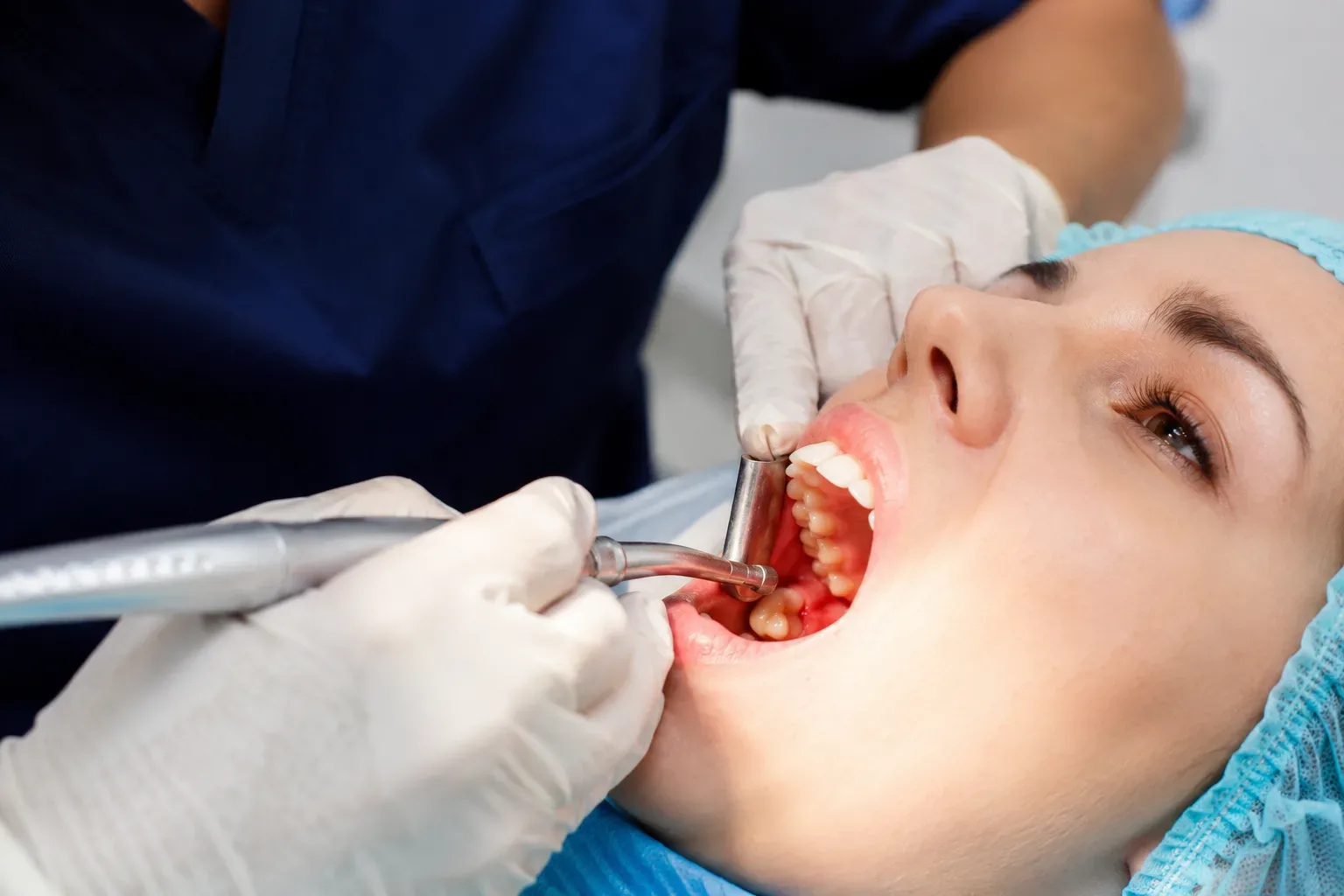
Local anesthesia is administered first to ensure the patient feels no pain during the procedure. While fully erupted wisdom teeth can often be extracted using standard extraction methods, surgical tooth extraction may be necessary for teeth that remain embedded in the jawbone or have developed at unusual angles. During the surgical procedure, the gum tissue is carefully incised; if necessary, the tooth is removed by dividing it into smaller pieces; and at the end of the procedure, the area may be closed with stitches. The method to be used is planned based on the structure of the tooth and the patient’s clinical condition.
Wisdom tooth extraction is generally a short procedure that is completed safely. After the procedure, the dentist provides detailed care instructions to support the healing process. Following these instructions helps control bleeding, reduce symptoms such as pain and swelling, and ensures a more comfortable recovery.
What Is the Recovery Process Like After a Wisdom Tooth Extraction?
The recovery process following a wisdom tooth extraction may vary depending on the extent of the procedure and the patient’s overall health. The first 24 hours are one of the most critical periods of recovery. During this time, it is generally considered normal to experience slight bleeding, tenderness, and pain in the extraction site. Following the dentist’s recommendations and fully adhering to the provided aftercare instructions helps ensure a smoother recovery process.
Pain and mild swelling following a wisdom tooth extraction are common and natural symptoms, especially during the first few days. While the intensity of the pain decreases over time, swelling typically peaks within 48 to 72 hours and then subsides. During this period, regularly taking the pain relievers recommended by the dentist, applying cold compresses, and avoiding physically strenuous activities can help the patient experience a more comfortable recovery process.
If stitches were placed during the healing process, a follow-up examination is scheduled on the date specified by the dentist, and the stitches are removed if necessary. Keeping the extraction site clean, maintaining good oral hygiene, and following post-extraction care recommendations for wisdom teeth help reduce the risk of infection and support faster tissue healing. Under normal circumstances, most patients can return to their daily lives within a few days; however, if unexpected symptoms such as severe pain, prolonged bleeding, a foul odor, or a high fever occur, you should contact your dentist immediately.

What Should You Pay Attention to After a Wisdom Tooth Extraction?
Carefully following the dentist’s recommendations is crucial for a healthy recovery after a wisdom tooth extraction. The gauze pad placed after the procedure should be bitten down on for the duration specified by the dentist, and care should be taken to protect the blood clot that forms during the first 24 hours. Avoiding smoking and alcohol consumption during this period, refraining from using a straw, and avoiding vigorous mouth rinsing will help prevent damage to the healing tissue at the extraction site.
Diet is also one of the key factors that directly affects the healing process. In the first few hours after a wisdom tooth extraction, it is recommended to avoid hot foods and beverages and instead opt for lukewarm or cold, soft-textured foods. Yogurt, soup, purees, and similar easy-to-eat foods provide a more comfortable diet during the healing period. Hard, spicy, and other foods that may irritate the extraction site should not be consumed for the duration recommended by your dentist.
Maintaining good oral hygiene is also essential for a smooth recovery. Teeth should be brushed regularly, but direct contact with the extraction site should be avoided on the first day. Using antiseptic mouthwashes or care products as recommended by your dentist can help reduce the risk of infection. Following post-extraction care guidelines helps both alleviate symptoms such as pain and swelling more quickly and promotes healthy tissue healing.

What Factors Affect the Cost of a Wisdom Tooth Extraction?
The cost of a wisdom tooth extraction may vary depending on the scope of the treatment and the patient’s oral anatomy. For this reason, it is not possible to establish a single fee that applies to everyone. The tooth’s position in the mouth—whether it has fully erupted or is impacted—whether surgery is required, and the methods used during treatment are among the main factors affecting the cost. For this reason, the most accurate price information can be determined following a detailed dental examination.
Particularly in cases involving impacted wisdom teeth, the procedure may be more extensive than a standard tooth extraction, so the treatment plan may also differ. In some cases, oral surgery procedures, advanced imaging methods, or surgical procedures requiring sutures may be necessary. Such factors can affect both the duration of treatment and the scope of the procedure to be performed.
When evaluating prices, rather than making decisions based solely on cost, you should also consider the dentist’s experience, the clinic’s technological infrastructure, and the quality of services provided. Thanks to a personalized treatment plan prepared following a detailed examination, you can obtain comprehensive information about both the procedure to be performed and the treatment process, and determine the most appropriate approach tailored to your needs.