
Bursa Porcelain Dental Crown: Treatment Process, Features, and What You Need to Know
Oral and dental health is vital not only for chewing food properly and transferring it to the digestive system, but also for maintaining healthy speech function (phonation) and protecting the temporomandibular joint. Structural loss in teeth, if not treated in time, can damage surrounding tissues and lead to tooth loss. In dentistry, one of the most established and reliable prosthetic restoration methods used to restore the structural integrity of teeth that have lost substance is porcelain dental crowns (porcelain crowns).
Many patients who apply to oral and dental health institutions in Bursa evaluate porcelain crown options to restore their damaged teeth. This article has been prepared to objectively explain the medical basis of the procedure, material characteristics, clinical stages, and the rules to consider after treatment for individuals planning Bursa porcelain dental crown treatment.
What Is a Porcelain Dental Crown and What Is Its Structure?
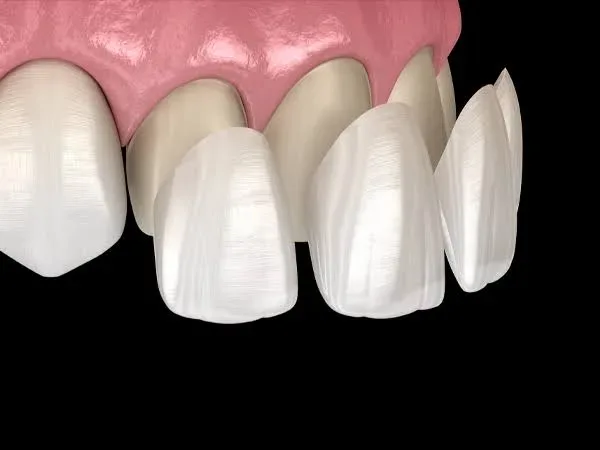
A porcelain dental crown is a laboratory-made prosthesis that surrounds the tooth completely to repair extensive damage to the enamel and dentin layers, protect the tooth against external factors, and increase its resistance to chewing forces. In medical literature, it is also referred to as a "crown".
Porcelain used in dentistry is a dental material specially formulated to be biologically compatible with intraoral tissues, unlike the ceramics we encounter in daily life. Traditional porcelain crowns are generally built over a metal substructure to withstand the high pressure created by chewing forces. This system is called a "metal-supported porcelain crown." While the metal alloy inside (usually chromium-cobalt or chromium-nickel) provides mechanical resistance to the tooth, the dental porcelain applied layer by layer on the outer surface in high-temperature furnaces mimics the tooth's anatomical form and natural color.
In Which Cases Is a Porcelain Crown a Medical Necessity?
Porcelain crown application is not merely an aesthetic choice; it is a protective and restorative treatment protocol aimed at extending the tooth's lifespan in the mouth. Following a detailed clinical and radiological examination by the dentist, porcelain crowns may be indicated in the following situations:
Advanced Substance Loss (Extensive Cavities): In cases of cavities so large that standard filling materials (composite or amalgam) cannot preserve the tooth's integrity, crowning is necessary to prevent tooth fracture.
Protection of Root Canal-Treated Teeth: After endodontic treatment (root canal treatment), the living tissue (pulp) inside the tooth is removed, so the tooth gradually loses moisture and becomes brittle. Covering these teeth with a porcelain crown to protect them against chewing pressure is a standard medical approach.
Trauma and Physical Fractures: Porcelain materials are used in the restoration of deep fractures in the enamel and dentin layers caused by blows to the facial area or biting on hard objects.
Bridge Prostheses (Missing Teeth): To fill the gap created by one or more extracted teeth, fixed porcelain bridges are used, in which the healthy teeth on both sides of the gap are reduced in size and used as supports (abutments).
Porcelain Crown Treatment Process in Bursa: Clinical Stages
The porcelain dental crown process is a multi-step treatment that requires the dentist's clinical experience and the dental laboratory's precise work. In fully equipped clinics in Bursa, this process generally progresses through the following stages:
1. Examination, Diagnosis, and Preparation
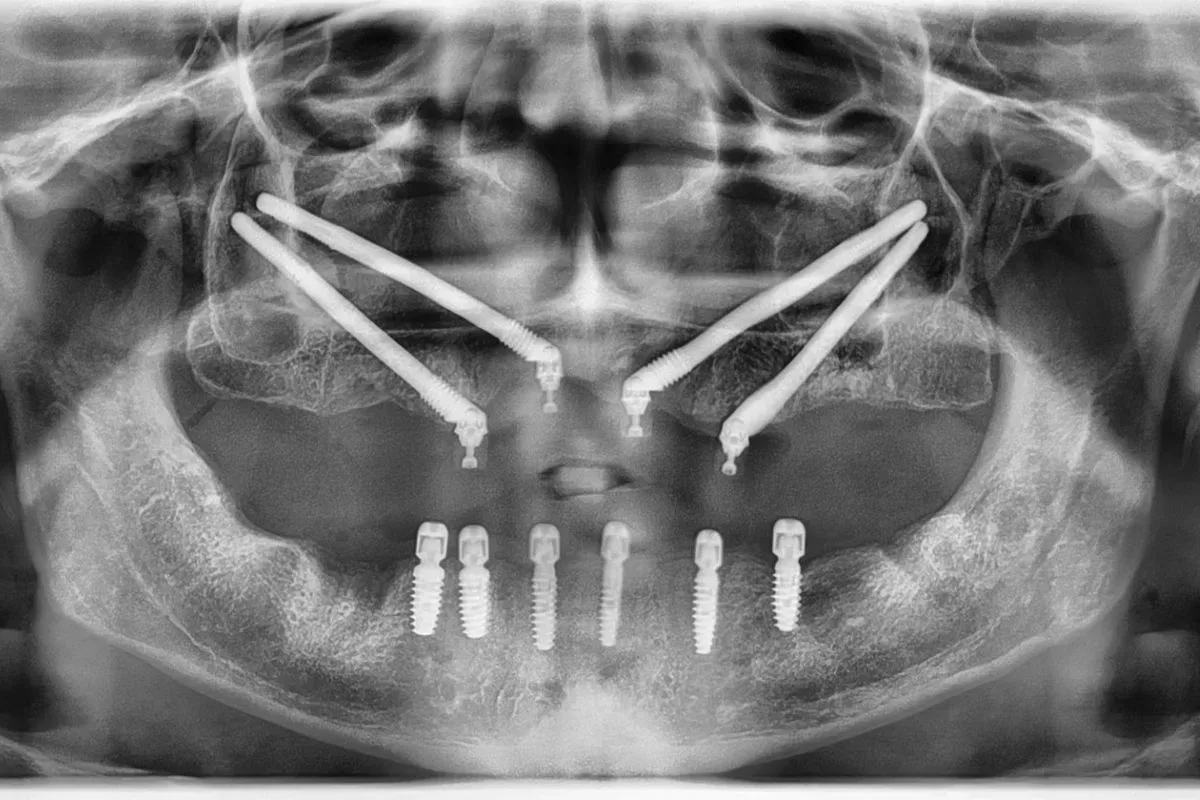
The first step of treatment is radiological examination. A panoramic X-ray is used to check whether there is any infection at the root tip of the tooth. If there is active decay or gingivitis, the medical treatment of these conditions is completed before proceeding with the prosthetic procedure.
2. Tooth Reduction (Preparation)
To ensure that the porcelain crown fits the tooth properly and provides a natural volume in the dental arch, an average of 1.5 to 2 millimeters of tissue is reduced from around the tooth and its chewing surface. This procedure is performed entirely under local anesthesia, so the patient does not feel any discomfort or pain during the procedure.
3. Impression Taking and Shade Selection
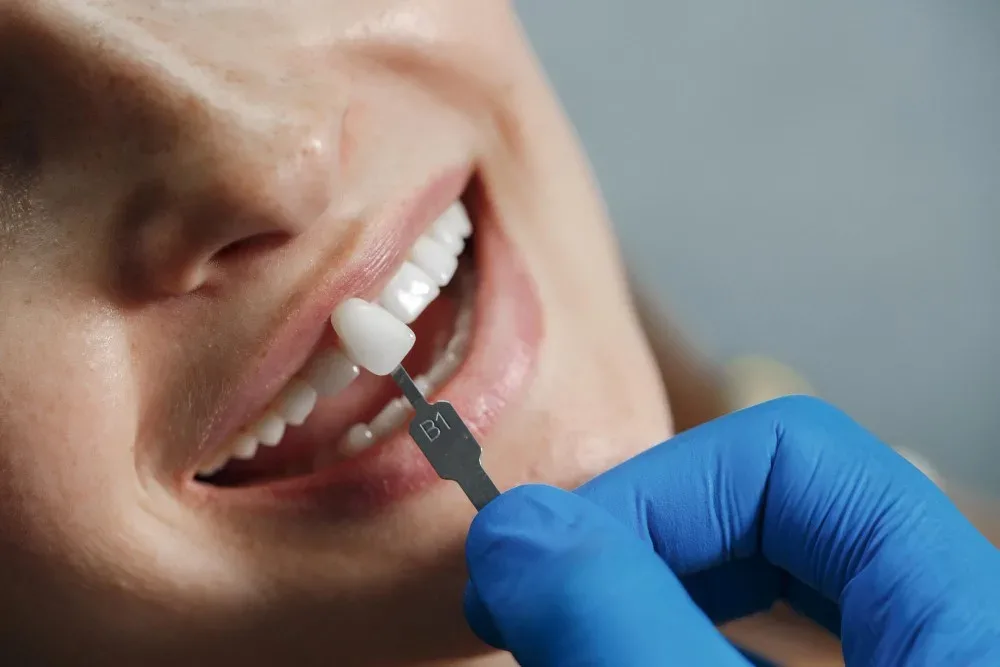
Precise silicone impression materials or digital intraoral scanners are used to obtain an accurate copy of the prepared tooth and surrounding tissues. In the same session, the appropriate porcelain shade is determined with the help of special shade guides so that it matches the patient's other natural teeth.
4. Placement of Temporary Crowns
The exposed dentin canals of the prepared tooth are extremely sensitive to hot and cold. To allow the patient to continue daily life, protect the tooth, and ensure chewing function is not interrupted, acrylic-based temporary teeth are prepared and bonded to the tooth on the same day.
5. Laboratory Stage and Framework Try-In
The impressions are sent to dental technicians. If a metal-supported porcelain restoration is to be made, the metal framework is first cast and tried in the patient's mouth. At this stage, the fit of the metal to the tooth and gum is checked with millimetric precision.
6. Permanent Cementation (Bonding)
Final try-ins of the porcelain applied over the metal framework are performed; the patient's bite (occlusion) relationship, as well as cheek and lip support, are evaluated. Once everything is found to be appropriate, the porcelain surface is polished through special procedures and permanently fixed to the tooth using tissue-friendly dental cements (adhesives).
What Are the Advantages of Porcelain Crowns?
The main reason porcelain crowns have long been one of the gold standards in dentistry is their mechanical durability. The metal framework inside resists the hundreds of kilograms of chewing force generated by the jaw muscles. For this reason, they are an extremely reliable option, especially in areas where chewing load is at its maximum, such as the molars. In addition, the outer surface of porcelain is very smooth. This glass-like structure makes it difficult for bacterial plaque to adhere to the tooth surface and, with proper brushing, helps it maintain its original form for many years.
Oral Hygiene After Treatment and Things to Keep in Mind
The belief that a tooth that has been crowned will never decay is medically incorrect. The porcelain material itself does not decay; however, the natural tooth root beneath the porcelain and the boundary area where the crown meets the gum (the cervical area) are vulnerable to bacteria. The most fundamental factor determining the clinical lifespan of porcelain crowns is the patient's oral hygiene habits.
Daily Cleaning: Crowned teeth should be brushed at least twice a day, just like natural teeth, using a fluoride toothpaste.
Interdental Cleaning: Food particles trapped between crowns that the toothbrush cannot reach must be cleaned using dental floss, interdental brushes, or a water flosser. In particular, cleaning the underside of bridge prostheses is critically important to prevent gum inflammation.
Physical Protection: Porcelain is hard but brittle by nature. Traumatic actions such as cracking nuts, opening bottle caps, or biting pens can cause pieces to chip off the porcelain surface (cracking/fracture).
Teeth Grinding (Bruxism): Patients who grind their teeth during sleep at night must regularly use protective night guards made by their dentist to prevent wear and fracture of porcelain surfaces.
Frequently Asked Questions
Does the porcelain crown procedure cause pain? Since the tooth preparation (reduction) stage is performed under local anesthesia, the procedure is completely painless. After the anesthesia wears off, a mild sensitivity to hot and cold may occur until the temporary crowns are placed, which is a physiological condition.
How long do porcelain crowns last? The time crowns remain in the mouth depends on the dentist's clinical application, the quality of the material used, and most importantly, the patient's oral care. Under ideal conditions and when six-month routine dental checkups are not neglected, porcelain crowns can function healthily for 10 to 15 years, or even longer.
Do porcelain teeth change color or yellow over time? The surface of dental porcelain is produced in a laboratory by glazing at high temperatures. Thanks to this, it has no microscopic pores on its surface. Tea, coffee, or tobacco use does not discolor the porcelain itself; it may only create surface deposits. These surface deposits can also be easily removed with a standard polishing procedure performed by the dentist.
Legal Notice: This article has been prepared in accordance with the regulations on Promotional and Information Activities in Health Services, with the aim of objectively informing the public about oral and dental health processes. The statements in the text cannot replace a specialist dentist's professional examination, diagnosis, or personalized treatment planning. For definitive diagnosis and medical guidance regarding prosthetic dental treatments and other clinical procedures, you must consult an authorized oral and dental health institution and a medical doctor.