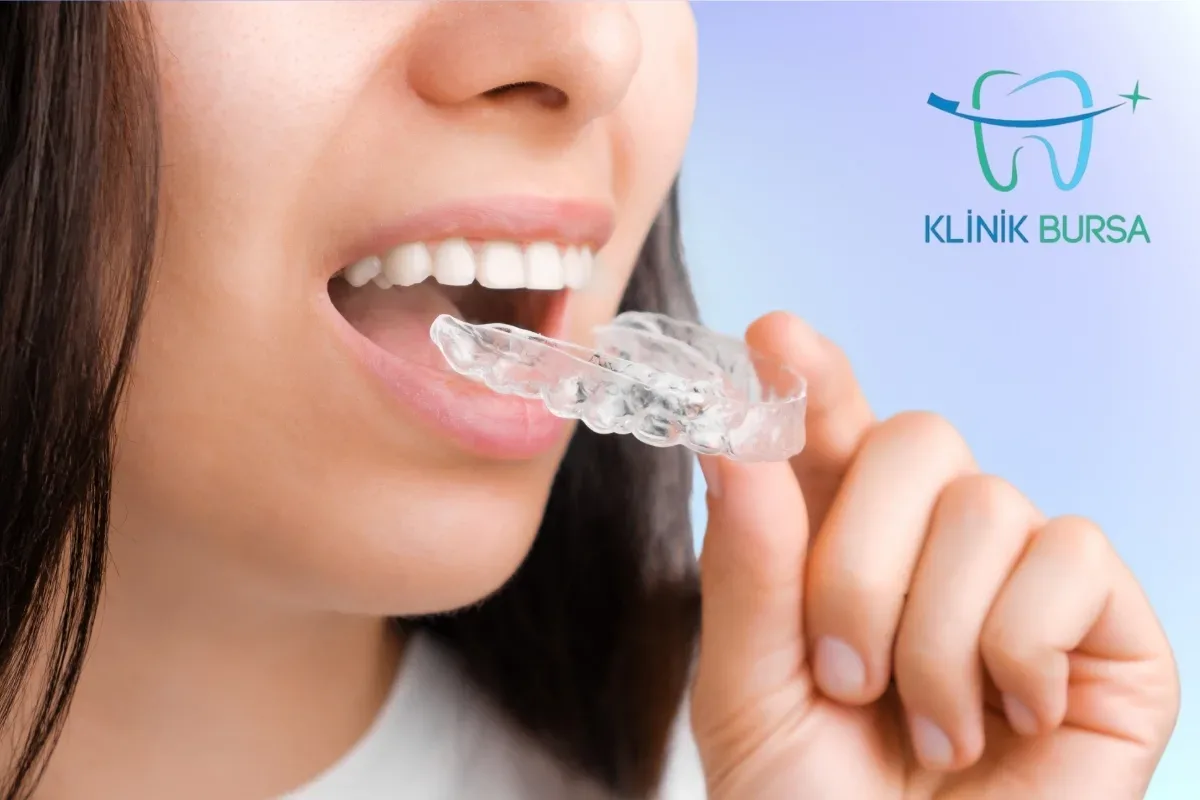
Transparent Plaque Treatment
Crowding, spacing or slight bite problems can affect both aesthetic appearance and oral health. As a…
Read More
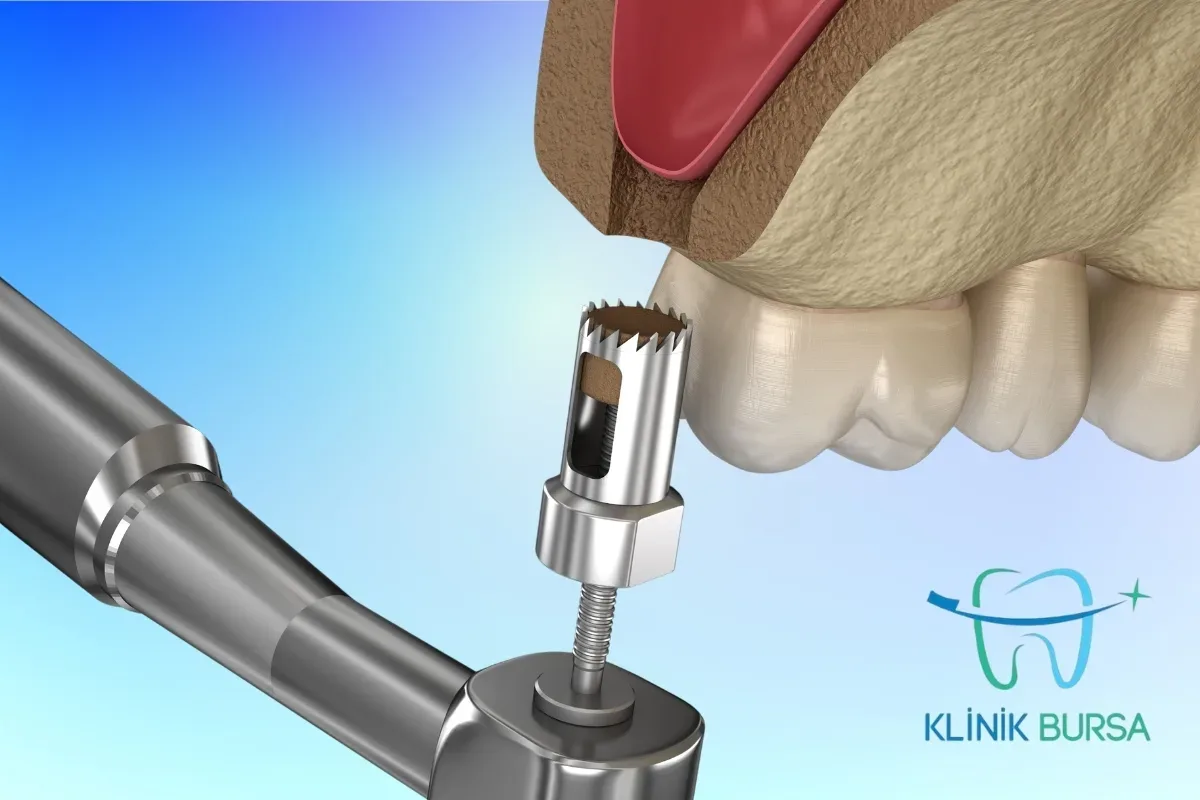
When tooth loss occurs in the posterior maxillary region, bone height may decrease over time and the sinus cavity may limit the space required for implant placement. In this case, Sinus Lifting is one of the important surgical procedures performed prior to dental implant treatment to create more suitable bone support for the implant. Patients often begin to investigate this procedure during implant planning, when bone insufficiency is detected in the upper jaw.
Sinus lift, also known as sinus lift or sinus lift, aims to create a stronger bone volume at the implant site by controlled elevation of the sinus floor and bone powder application when necessary. Sinus lifting before dental implant is not a standard procedure that should be applied to every patient; it is planned after a detailed evaluation of the upper jaw bone structure, sinus anatomy, number of implants and general oral health.
In Clinic Bursa, Dr. Dt. Kerem Turgut Atasoy's patient-oriented approach, Sinus Lifting treatment is handled with detailed examination, imaging and personalized implant planning. In this article, we will examine the topics that patients are most curious about, such as what is sinus lifting, for whom it is necessary, how sinus lifting is performed, what are the differences between open and closed sinus lifting, how is the healing process, and what sinus lifting prices vary according to.
Sinus Lifting is a surgical procedure performed when there is not enough bone height in the posterior region of the upper jaw to place an implant. In this procedure, the sinus floor is raised in a controlled manner and it is aimed to create a more suitable bone area for the implant. Sinus lifting treatment may be considered when the bone volume decreases after tooth loss, especially in the upper jaw molar area.
Sinus lift and sinus lift are often used to describe the same treatment group. This procedure is not a direct replacement of the tooth; it is a supportive surgical procedure that is often planned before dental implant treatment in order to place the implant more securely.
Sinus lifting can increase the bone support required for the implant in the posterior region of the upper jaw. However, not every patient needs sinus lifting. Whether the procedure is necessary or not should be determined after evaluating the jawbone and sinus area with X-rays or 3D imaging.
Sinus Lifting may be necessary in patients who have tooth loss in the posterior region of the upper jaw and do not have sufficient bone height for the implant. Prolonged toothlessness, bone resorption, downward expansion of the sinus cavity or previous tooth loss can make implant planning in this area difficult.
Not all patients require sinus lifting. In some patients, the existing bone structure may be sufficient for the implant, while in some patients, sinus floor elevation may be required for stable implant placement. For this reason, the decision for the procedure should be based on personalized evaluation, not standardized evaluation.
For suitability, X-rays, 3D imaging, jaw bone height, sinus anatomy and implant planning should be evaluated together. In Klinik Bursa, the need for sinus lifting is met by Dr. Dt. Kerem Turgut Atasoy's patient-oriented approach after a detailed examination and personalized treatment planning.
Sinus lifting before dental implant can be planned when there is not enough bone height for the implant in the posterior region of the upper jaw. Since the sinus cavities in this region are located close to the tooth roots, the space for implant placement may become limited when the bone volume decreases after tooth loss. In such cases, additional bone space may need to be created to support the implant in a healthy way.
Sinus lifting procedure aims to support the bone volume in the implant area by controlled elevation of the sinus floor and application of bone powder when necessary. This can help to plan the implant in the jawbone in a more stable and secure way. However, the need for the procedure is not the same in every patient; the jawbone structure and sinus anatomy should be evaluated in detail.
At Klinik Bursa, sinus lifting before dental implant is considered as part of the implant treatment plan. Dr. Dt. Kerem Turgut Atasoy's patient-oriented approach, imaging is performed before the procedure and a personalized treatment plan is created according to the patient's bone structure.
Sinus floor elevation is the process of raising the sinus floor in a controlled manner to create sufficient bone space for the implant in the posterior region of the upper jaw. This planning is done to help achieve a more appropriate bone volume in the area where the implant will be placed.
In the planning phase, the height of the jawbone, the position of the sinus cavity, bone quality, the number of implants and the general health of the patient are evaluated together. In some patients, limited bone support may be sufficient, while others may require bone powder or more extensive surgical planning.
Therefore, sinus floor elevation should not be considered a standard procedure. Since each patient's sinus anatomy and implant needs are different, the best method should be determined individually after X-ray or 3D imaging.
The answer to the question of how sinus lifting is performed may vary depending on the patient's upper jaw bone structure and implant plan. First, a detailed examination is performed, followed by X-ray or 3D imaging to evaluate the sinus area, bone height and the appropriate area for implant placement. This examination helps to decide whether the procedure will be open or closed and the need for bone powder.
Once the surgical planning is complete, the procedure is performed under local anesthesia. The sinus floor is carefully elevated and, if necessary, bone powder application is used to create a suitable bone volume for the implant. During the procedure, it is important to protect the sinus membrane and prepare the implant site correctly.
In some patients, the implant can be placed in the same session as sinus lifting. However, in cases where bone support is insufficient, sinus lifting is performed first, the healing process is waited and the implant can be planned at a later stage. Which approach is appropriate is determined according to the patient's bone structure and treatment plan.
Sinus lift surgery is usually performed under local anesthesia, so it is not expected to feel pain during the procedure. The patient may feel pressure or slight movement during the procedure; however, anesthesia is applied for pain control. Therefore, the treatment process is planned taking into account the comfort of the patient.
After the procedure, mild swelling, tenderness, feeling of pressure or temporary discomfort in the area may be observed. These conditions can usually be controlled with medications, cold application and care instructions recommended by the physician. During the healing process, it is important not to put pressure on the nasal area and to pay attention to the physician's warnings.
If there is prolonged pain, increased swelling, bleeding, bad odor, fever or unexpected complaints, the dentist should be consulted immediately. After sinus lift surgery at Klinik Bursa, patients are individually informed about the healing process and things to be considered.
Open sinus lifting is one of the surgical methods applied when there is not enough bone height for the implant in the posterior region of the upper jaw and more bone support is required. This procedure is usually considered in patients with markedly insufficient bone volume. The aim is to create a more suitable bone space for the implant by raising the sinus floor in a controlled manner.
In open sinus lifting, a controlled surgical access to the sinus area is provided. The sinus floor is carefully elevated and bone powder can be applied if necessary. In this way, it is aimed to create a more supportive bone structure for implant placement in the posterior maxilla.
The patients for whom this method is suitable are determined after X-ray or 3D imaging. The amount of remaining bone, sinus anatomy, number of implants and the general oral health of the patient should be evaluated together. At Klinik Bursa, open sinus lifting planning is tailor-made according to the patient's implant needs.
Closed sinus lifting is a sinus elevation method that can be applied in appropriate cases where more limited bone support is required. In this technique, the sinus floor is raised in a controlled manner, usually through the implant socket. It can be performed in a more limited area compared to the open method, but it is not suitable for every patient.
Closed sinus lifting can be considered in patients with a certain amount of remaining bone and suitable for implant planning. If necessary, bone support can be increased by slightly elevating the sinus floor during the implant placement phase. However, if the sinus anatomy and bone volume are not suitable, the open method may be a better option.
The choice of open or closed sinus lifting is determined by the remaining bone height, the number of implants, the location of the sinus cavity, bone quality and the physician's evaluation. For this reason, it is important to perform detailed imaging before the procedure and to create a personalized surgical plan.
Supermaxillary bone grafting is one of the supportive procedures evaluated to increase bone volume when there is not enough bone support for the implant. During sinus lifting, bone powder can be applied to create a more suitable bone area at the implant site after the sinus floor is elevated.
The bone graft material and amount to be used is not the same in every patient. The patient's existing bone structure, the location of the sinus cavity, the number of implants, the open or closed sinus lifting method and the overall treatment plan affect this decision. Therefore, it is important to perform detailed imaging before the procedure.
Bone support is an important factor in the long-term success of implant treatment. In Klinik Bursa, maxillofacial bone graft and bone powder application is planned individually according to the implant needs of the patient.
The recovery process after sinus lifting may vary depending on the type of procedure performed, bone powder application, whether the implant is placed in the same session and the general health status of the patient. In the first days after the procedure, it is important to follow the recommendations of the physician, pay attention to oral hygiene and not to disrupt control appointments.
In the first days, mild swelling, tenderness, pressure sensation or temporary discomfort in the area may be observed. In this process, not applying pressure to the nasal area, not blowing hard and using the medications recommended by the doctor regularly supports the healing process.
If prolonged pain, increased swelling, bleeding, bad odor, fever or unexpected complaints occur, the dentist should be consulted. In Klinik Bursa, the healing process after sinus lifting is monitored according to the patient's condition and necessary controls are planned.
The most important issue to be considered after sinus lifting is to protect the procedure area. The medications prescribed by the physician should be used regularly, attention should be paid to oral hygiene and behaviors that will strain the area should be avoided in the first days. Hard foods, heavy exercise and uncontrolled pressure can negatively affect the healing process.
It is important to avoid smoking during the healing period. Smoking can slow down tissue healing and negatively affect the healthy healing of the bone graft site. It is also important not to put pressure on the nasal area, not to blow hard and to be careful during the period recommended by the physician.
Maintaining follow-up appointments ensures that the implant or bone graft area is followed up in a healthy manner. The patient's daily habits, oral care and compliance with post-treatment recommendations can directly affect the success of sinus lifting.
What to Consider in Bursa Sinus Lifting Treatment?
Although price is an important issue for patients seeking Bursa sinus lifting treatment, it should not be the only decision criterion. Sinus lifting is a surgical procedure that requires careful evaluation of the jawbone and sinus area before implant treatment. Therefore, the physician's evaluation, imaging process and implant planning are of great importance.
Before the treatment, bone height, sinus anatomy and the appropriate area for the implant should be analyzed by X-ray or 3D imaging. In addition, sterilization conditions, the bone graft material to be used, the choice of open or closed method and the post-treatment follow-up process are among the factors to be considered.
Sinus lifting treatment at Clinic Bursa is performed by Dr. Dt. Kerem Turgut Atasoy's patient-oriented approach is planned in a personalized manner. The aim is not only to increase bone volume, but also to create a healthier, safer and long-term basis for implant treatment.
Sinus Lifting Prices are not determined in the same way for every patient. Because the bone height in the sinus area, sinus anatomy, implant plan, bone powder requirement and the surgical method to be applied may vary from person to person. For this reason, detailed examination and imaging should be performed first for clear price information.
The factors that affect sinus lifting prices include open or closed sinus lifting method, amount of bone graft to be used, number of implants, imaging process, surgical planning and control appointments. In some patients, the implant can be placed in the same session, while in some patients, sinus lifting can be performed first and the healing process can be expected.
Therefore, not only the cost, but also the safety of the treatment, implant planning, bone support and long-term success should be taken into consideration when evaluating the price. Sinus lifting treatment at Klinik Bursa is planned individually according to the patient's jawbone structure and implant needs.
Crowding, spacing or slight bite problems can affect both aesthetic appearance and oral health. As a…
Read More
Zirconium Dental Veneers are one of the most preferred veneer options for patients who want to have…
Read More
Aesthetic and healthy teeth are one of the most important elements that directly affect a person's s…
Read More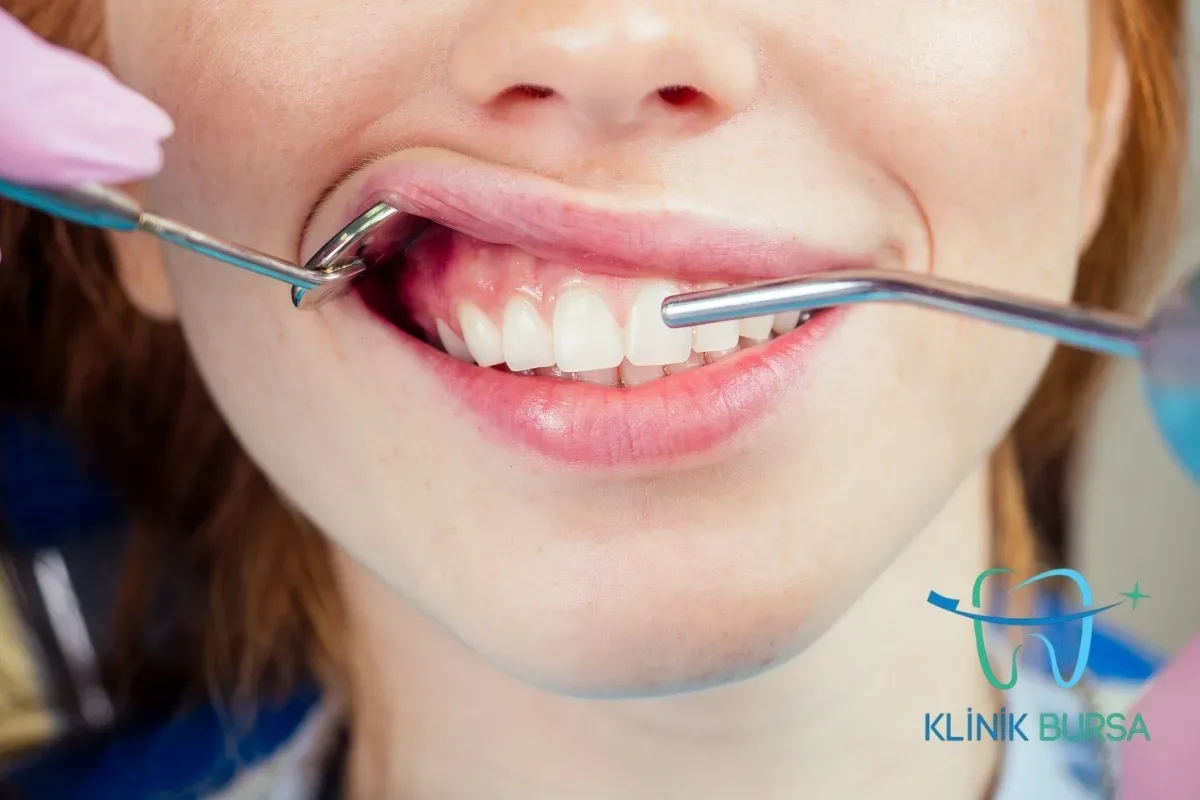
Gum treatment covers the treatment processes applied to control inflammation, bleeding, swelling, te…
Read MoreContact us today to schedule your appointment.


Klinik Bursa, dişe dokunur...