Transparent Plaque Treatment
Crowding, spacing or slight bite problems can affect both aesthetic appearance and oral health. As a…
Read More
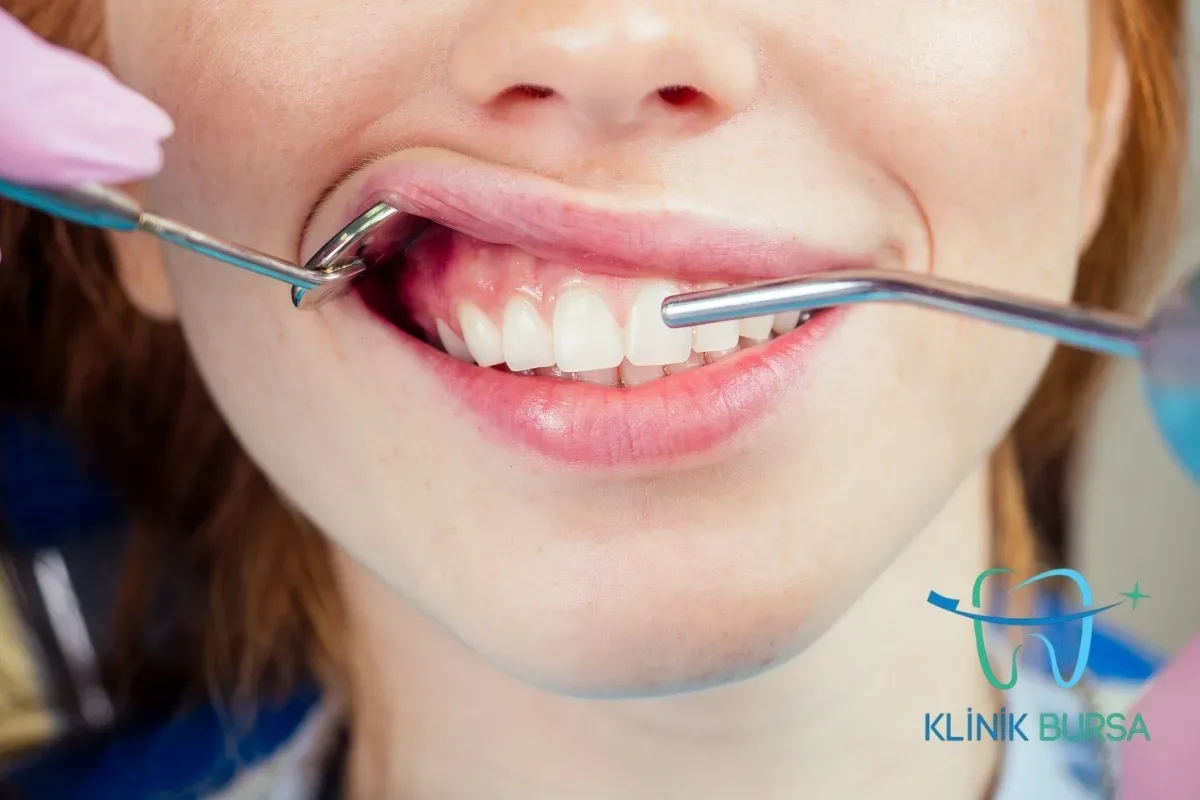
Gum treatment covers the treatment processes applied to control inflammation, bleeding, swelling, tenderness, recession and periodontal diseases seen in the gums. Healthy gums are usually light pink in color, firm in structure and do not bleed during brushing. When gum health deteriorates, symptoms such as bleeding, redness, swelling, bad breath, gingival recession and loose teeth may occur.
Gingival problems often start with bacterial plaque and tartar accumulation. Gingivitis recognized at an early stage can be controlled with professional cleaning and proper oral care habits. However, when treatment is delayed, inflammation may not only be limited to the gums; it can also affect the bone tissue supporting the tooth, leading to more serious periodontal diseases. For this reason, gingivitis treatment is an important oral health practice that should not be neglected in the early period.
Periodontology gum treatment includes planned applications to maintain the health of the gums and tissues supporting the teeth. These treatments are important not only to provide an aesthetic gum appearance, but also to keep the teeth healthy in the mouth in the long term. With regular check-ups, accurate diagnosis and personalized treatment planning, the progression of gum diseases can be prevented and oral health can be maintained in a more balanced way.
Gum diseases often start with mild symptoms and can progress if not recognized early. One of the most common symptoms is bleeding during brushing or flossing. Healthy gums are expected not to bleed during regular care. For this reason, if there are complaints such as recurrent bleeding, tenderness or redness, it is important to evaluate the dentist for the treatment of bleeding gums.
Swelling, redness, tenderness when touched, bad breath and bad taste sensation are also among the important signs of gum problems. Especially plaque and tartar accumulated around the gums can cause inflammation and increase these symptoms. In this case, the treatment of swollen gums should be planned not only to reduce swelling, but also to control the underlying bacterial plaque and the source of inflammation.
In progressive gum diseases, gingival recession, exposure of tooth roots, hot-cold sensitivity and shaking of the teeth can be seen. These symptoms may indicate that the tissues supporting the tooth are beginning to be affected and should not be neglected. The earlier gum recession treatment is planned, the more likely it is to control the progression of the disease and preserve the long-term health of the teeth.
The answer to the question "How is gum treatment done?" may vary depending on the level of the disease and the problem in the gums. The treatment process usually begins with a detailed oral examination and gum evaluation. The physician checks for signs of gum bleeding, swelling, recession, tartar accumulation, loose teeth and inflammation. If necessary, the bone structure supporting the teeth is also evaluated with X-rays.
The basis of treatment in the early period of gum diseases is professional scaling and plaque control. If there is accumulation below the gum line, root surface smoothing can be applied. This procedure helps to remove bacterial accumulations on the surface of the tooth root and helps the gum to heal in a healthier way. Therefore, the most accurate answer to the question "How is gum treatment?" is that the treatment is not only about cleaning; it also includes inflammation control, oral hygiene education and regular follow-up.
Periodontology gum treatment may require more extensive applications in advanced cases. Surgical periodontal procedures may be considered in cases such as gum recession, deep pocket formation, bone loss or loose teeth. For the success of the treatment, correct brushing at home, use of dental floss or interface brush and compliance with regular control appointments are as important as the applications performed in the clinic.
The treatment of gum recession can be planned according to the cause, level and condition of the tissues supporting the tooth. Gum recession may occur due to improper and hard brushing, tartar accumulation, gum diseases, clenching, genetic predisposition or improper oral care habits. When recognized at an early stage, it may be possible to stop the progression of recession and reduce sensitivity complaints.
For gingival recession at the initial stage, plaque and tartar control is provided first. The patient is explained the correct tooth brushing technique, appropriate brush selection, use of dental floss or interface brush. Since the tooth root surface is exposed, hot-cold sensitivity may occur; in this case, desensitizing products and protective applications may be recommended. The best approach for patients seeking Bursa gingival recession treatment is to determine the cause of the recession and create a personalized treatment plan.
In advanced cases, surgical gingival applications may be considered, especially if the tooth root is significantly exposed, aesthetic problems have occurred or there is loss of tissues supporting the tooth. Treatment of advanced gingival recession is planned not only to replace the receding gum, but also to protect the long-term health of the tooth, bone support and the sustainability of oral hygiene. For this reason, treatment options should be determined after a detailed examination and periodontal evaluation.
The treatment of advanced gingival recession should not be considered as a procedure aimed only at correcting the aesthetic appearance of the gums. In this case, the extent to which the tooth roots are exposed, hot-cold sensitivity, whether the teeth are shaking and the condition of the bone tissue supporting the tooth are evaluated together. Because in advanced recession, the problem may be not only in the gum tissue but also in the supporting structures surrounding the tooth.
Treatment planning begins with a detailed examination. The physician evaluates the level of gingival recession, gingival pockets, plaque and calculus accumulation, bite relationship and oral care habits of the patient. If necessary, X-ray images are taken and bone support is examined. This evaluation within the scope of periodontology gum treatment is important to determine the risk of recession progression and the treatment options that can be applied.
In advanced cases, gum recession treatment may include professional cleaning, root surface smoothing, inflammation control, sensitivity treatments and surgical gum applications in appropriate patients. However, the same method is not applied to every patient. An individualized plan is created based on the location of the tooth, the cause of the recession, bone support and the patient's overall oral health. The aim is both to reduce existing symptoms and to control the progression of gingival recession.
Gingivitis treatment is usually easier and more controlled when it is applied early. Gingivitis often starts due to plaque and tartar buildup and can manifest itself with symptoms such as bleeding during brushing, redness, tenderness, swelling and bad breath. Although these symptoms may seem mild, when neglected, the inflammation may progress to the supporting tissues under the gums.
When treatment is delayed, gum pockets may deepen, loss of bone tissue supporting the teeth may occur and teeth may become loose in the future. For this reason, the treatment of bleeding gums should be planned not only to stop bleeding, but also to control the inflammation and bacterial accumulation that cause bleeding. Early intervention can prevent the progression of gum disease and protect oral health in the long term.
If there is swelling, pressure or tenderness in the gums, this should not be neglected. Depending on the cause of the swelling, treatment of swollen gums can be planned with professional cleaning, inflammation control, oral hygiene education and, if necessary, advanced periodontal treatments. If symptoms such as bleeding, swelling, bad taste, bad breath or pain persist, it is the best approach for the patient to consult a dentist instead of waiting for it to go away on its own.
Laser gum treatment is one of the modern methods used to support gum treatment in some suitable cases. It may not be the main treatment for every patient; it is usually planned as an adjunct to periodontal procedures such as scaling, root planing and inflammation control. Since the answer to the question "How is gum treatment performed?" varies according to the level of the disease, the suitability for laser application should be determined after the examination.
Laser application can help reduce the bacterial load on the gum tissues, control the inflamed tissues and support the healing process. Laser technology can be used to clean gum pockets, treat sensitive areas in a more controlled manner or for some soft tissue procedures. However, at what stage and for what purpose the laser will be used; It is planned according to the prevalence of gum disease, the condition of the tissues and the general oral health of the patient.
The use of laser within the scope of periodontology gum treatment can provide more effective results with the right patient selection and physician evaluation. The aim here is not only to temporarily reduce complaints, but to create a treatment plan that will protect gum health in the long term. For this reason, laser gum treatment should be applied after a professional examination and personalized periodontal evaluation.
The first step in the gum treatment process in Bursa is for the patient to undergo a detailed oral and dental examination. In this examination, symptoms such as the color of the gums, bleeding, swelling, tenderness, tartar accumulation, gingival recession and bad breath, if any, are evaluated together. If necessary, the level of gum disease is determined by examining the bone structure supporting the teeth with X-ray images.
Gum treatment at Klinik Bursa is planned individually according to the patient's current complaints and oral care habits. Tartar accumulation, plaque density, inflammation, the depth of gum pockets and the level of recession directly affect the treatment plan. While professional cleaning and oral hygiene training may be sufficient in the early period, root surface smoothing, inflammation control or periodontal applications may be required in more advanced cases.
Especially in patients who need gum recession treatment, not only the appearance of recession, but also the factors that cause recession should be taken into consideration. Treatments performed without identifying causes such as improper brushing, calculus, clenching, inflammation or genetic predisposition may not provide permanent results. For this reason, when planning gum treatment in Bursa, the aim is both to control the existing complaints and to create a care regimen that will protect gum health in the long term.
The question of "How is gum treatment?" is as important for patients as what to pay attention to after treatment. Because the success of gum treatment is not limited to the procedures performed in the clinic; regular and correct oral care at home is also an important part of the process. After the treatment, the teeth should be brushed at least twice a day with the correct technique and the interdental spaces should be cleaned with dental floss or interdental brush.
Plaque and tartar accumulation should be kept under control to prevent recurrence of gum problems. Regular check-up appointments should not be neglected, especially in patients who have previously been treated for bleeding gums or gingivitis. Thanks to the controls performed at the intervals recommended by the physician, gum health is monitored, new problems can be recognized at an early stage and further periodontal problems can be prevented.
After treatment, it is also important to avoid smoking in terms of the healing process. Smoking can slow the healing of gum tissues and increase the risk of recurrence of gum diseases. In addition, harsh brushing, use of wrong products and disruption of oral hygiene can also negatively affect the gums. For this reason, maintaining the patient's self-care routine correctly after gum treatment is as valuable as the treatment itself for long-term oral health.
The price of gum treatment may vary according to the level of the disease, the treatment method to be applied and the scope of the procedure required by the patient. While professional scaling and oral hygiene training may be sufficient for early gum problems, more advanced cases may require root surface smoothing, inflammation control, periodontal pocket treatments or surgical applications. For this reason, pricing should be evaluated on the basis of a patient-specific treatment plan, not a standardized procedure.
The answer to the question "How is gum treatment performed?" is also one of the main factors affecting the price. The prevalence of gum disease, the intensity of calculus accumulation, the depth of gum pockets, the presence of bone loss and the need for sessions determine the treatment process. While a single cleaning session may be sufficient for some patients, in some cases a periodontal treatment plan of several sessions may be required.
In some appropriate cases, laser gum treatment can be added as a support to the treatment process. The use of laser, the need for surgery, advanced gum recession or conditions requiring detailed periodontal care may affect the price. For this reason, in order to provide clear price information, gum examination should be performed first, the level of the disease should be determined and a personalized treatment plan should be created.
The most important point for patients researching Bursa gum treatment prices is that the treatment should not be evaluated only on the price. Gum diseases can progress at different levels from person to person; some patients may only need scaling, while others may require root surface smoothing, inflammation control, laser-assisted applications or surgical periodontal procedures. For this reason, it would not be correct to say a clear price without determining the scope of the treatment.
The price of gum treatment may vary according to the level of disease progression, the degree of gum recession, tartar accumulation, the need for sessions and the method to be applied. Especially in patients seeking Bursa gingival recession treatment, it should be evaluated in detail whether the recession is only an aesthetic problem or a periodontal problem that progresses with bone support and sensitivity. This evaluation directly affects both the treatment method and the cost of the treatment process.
When planning gum treatment in Bursa Clinic, the patient's oral structure, gum health, complaints and long-term oral health goals are considered together. The aim is not only to reduce existing bleeding, swelling or recession complaints, but also to create a personalized care plan that will help maintain the healthy structure of the gums and prevent recurrence of the disease. Therefore, the most accurate price information becomes clear after a detailed examination and treatment planning.
Gum treatment begins with a detailed examination and gum evaluation. The physician checks for symptoms such as bleeding gums, swelling, recession, plaque and tartar accumulation. If necessary, the bone structure supporting the teeth is also evaluated with X-rays. During the treatment process, professional scaling, inflammation control, root surface smoothing and oral hygiene training can be applied. In advanced cases, more comprehensive procedures such as periodontal surgery may be planned.
Treatment of receding gums is possible; however, the method to be applied depends on the cause, level and condition of the tissues supporting the tooth. In the early period, plaque and tartar control, correct brushing training, desensitizing applications and regular follow-up may be sufficient. In patients with advanced gingival recession, surgical gingival applications may be considered. For this reason, the treatment plan should be created individually after the examination.
The aim of gingivitis treatment is to control the accumulation of bacterial plaque and tartar that cause inflammation. Professional teeth cleaning, oral hygiene education, flossing or brushing and regular check-up appointments play an important role in this process. If the inflammation is more advanced, root planing or additional periodontal procedures may be required. Early intervention helps prevent the progression of gum disease.
Laser gum treatment can be used to supplement gum treatment in appropriate patients. Laser treatment can help control inflamed tissues, reduce the bacterial load and promote the healing process. However, laser alone may not be a sufficient method for every patient. In most cases, it is evaluated together with scaling, root surface smoothing and periodontal care.
Gum treatment prices in Bursa may vary according to the level of disease, tartar accumulation, the degree of gum recession, the treatment method to be applied, the need for sessions, the use of laser and whether surgical procedure is required. While simple scaling may be sufficient in some patients, more extensive periodontal treatments may be required in some patients. For this reason, for clear price information, an examination should be performed and a personalized treatment plan should be created.
Crowding, spacing or slight bite problems can affect both aesthetic appearance and oral health. As a…
Read More
When tooth loss occurs in the posterior maxillary region, bone height may decrease over time and the…
Read More
Zirconium Dental Veneers are one of the most preferred veneer options for patients who want to have…
Read More
Aesthetic and healthy teeth are one of the most important elements that directly affect a person's s…
Read MoreContact us today to schedule your appointment.



Klinik Bursa, dişe dokunur...