
For patients who have lost teeth, implant treatment can provide a fixed and functional solution to replace missing teeth. However, standard implant treatment may not always be sufficient, particularly for patients with severe bone deficiency in the upper jaw. Long-term tooth loss, bone resorption, the use of removable dentures, or previous treatment failures may require the evaluation of more advanced implant options.
At this point, zygoma implant treatment stands out as a specialized option among advanced implant procedures. The question “What is a zygoma implant?” encompasses not only the definition of the implant but also who is eligible for it, how it is performed, its advantages, the healing process, and how treatment is planned in Bursa. For this reason, the decision to proceed with treatment should be based not only on the number of missing teeth but also on the structure of the jawbone and the patient’s overall oral health.
At our clinic in Bursa, implant treatments are planned on a case-by-case basis, taking into account the patient’s jawbone evaluation, oral structure, aesthetic expectations, and long-term chewing function goals. For patients researching zygoma implants in Bursa and advanced implant treatments in Bursa, the most appropriate approach is to determine the treatment option best suited to the individual through a detailed examination and 3D imaging.
What Is a Zygoma Implant?
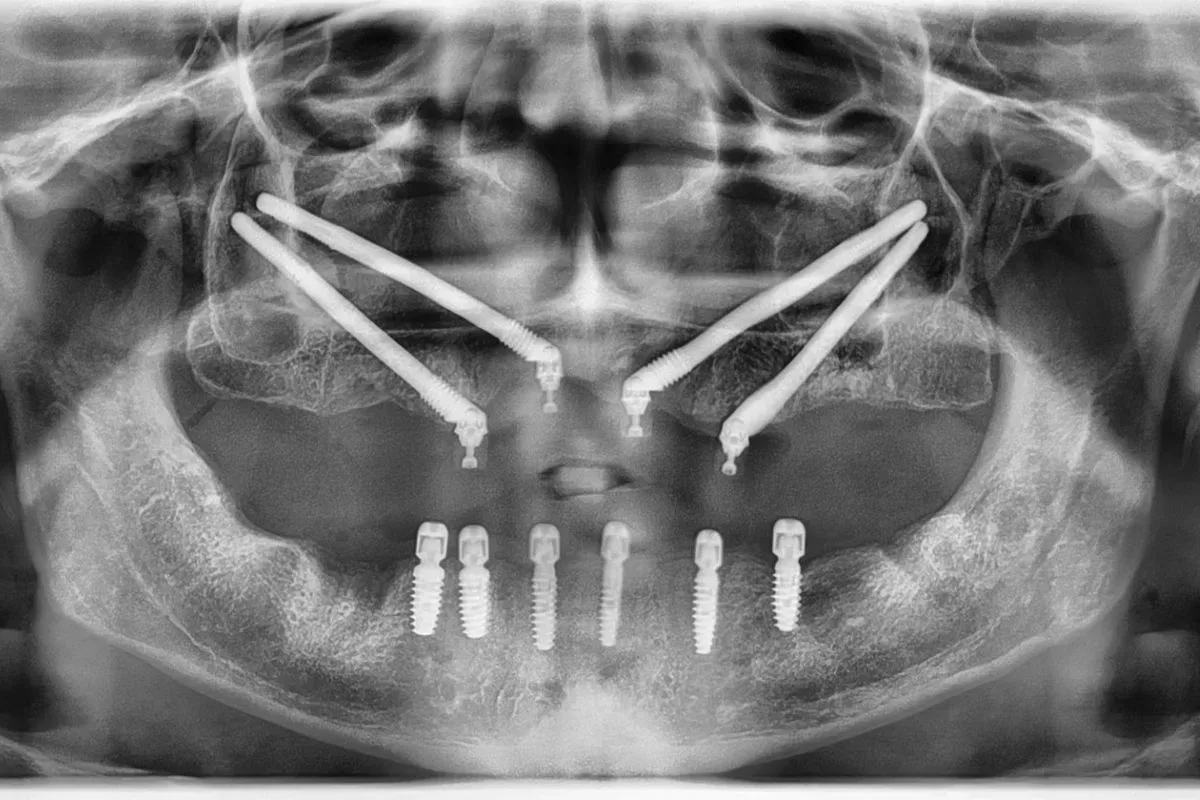
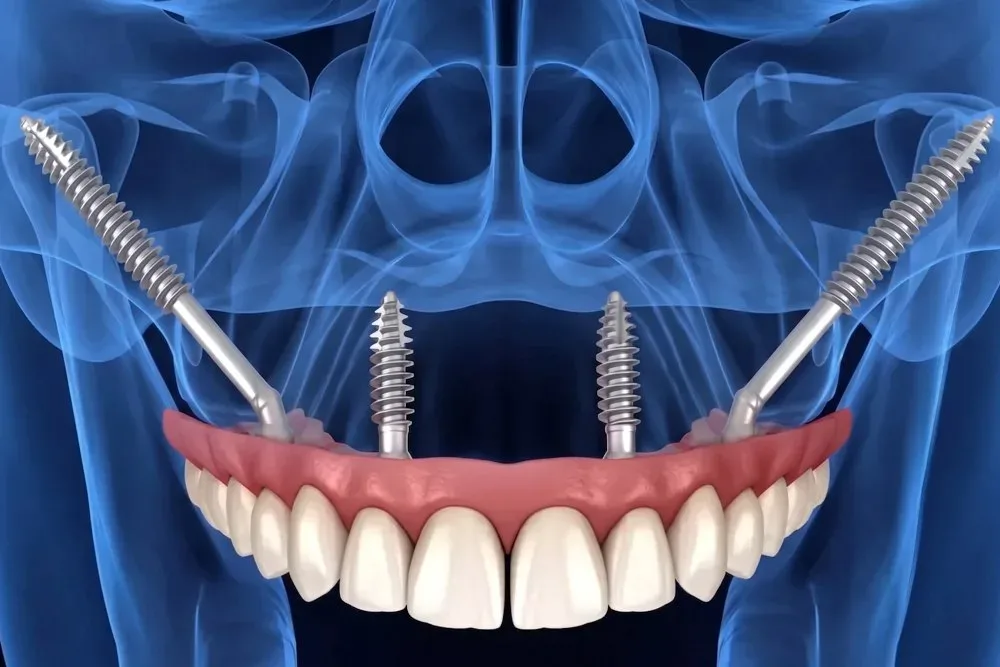
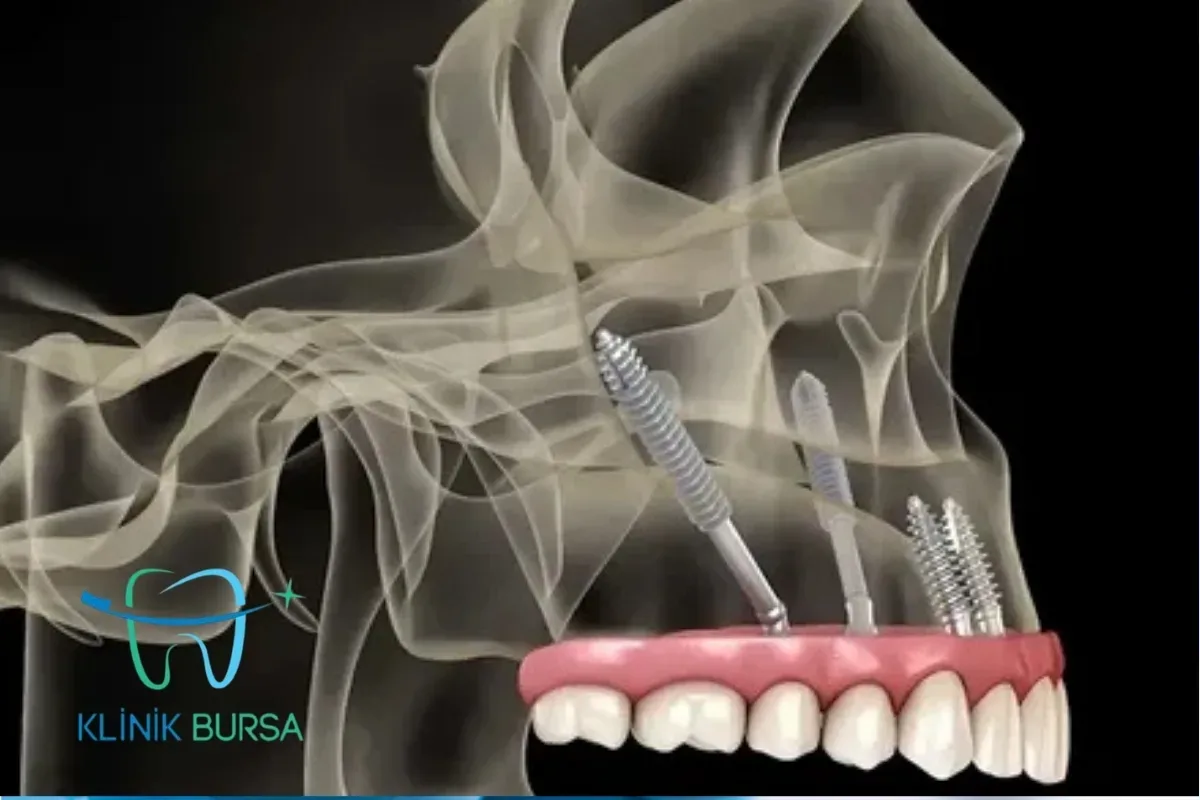
The most basic answer to the question “What is a zygoma implant?” is that it is a special type of implant that draws support from the zygomatic bone in patients with severe bone deficiency in the upper jaw. While standard dental implants are typically placed in the jawbone, zygoma implants draw support from the zygomatic bone—commonly known as the cheekbone—in cases where the upper jawbone is insufficient.
For patients wondering what a zygomatic implant is, this treatment is an advanced implant option that can be considered, particularly for those with bone loss in the upper jaw or reduced jawbone volume due to prolonged tooth loss. For some patients who lack sufficient bone volume for traditional implant treatment, it can help facilitate an alternative treatment plan to procedures such as bone grafting or sinus lifting.
This treatment falls under advanced implant procedures and requires more detailed planning than standard implant treatments. The patient’s sinus region, zygomatic bone structure, oral condition, general health information, and treatment expectations must be evaluated together. For this reason, zygomatic implant treatment should be approached not merely as an implant placement procedure, but as a comprehensive process involving diagnosis, planning, and follow-up.
Who Is a Candidate for Zygomatic Implant Treatment?
Zygomatic implant treatment is generally considered for patients with severe bone loss in the upper jaw. Patients who have been edentulous for many years, have developed significant resorption of the upper jawbone, have difficulty using removable dentures, or lack sufficient bone support for standard implants may be candidates for this treatment. However, the decision regarding suitability for each patient must be made through an individual assessment.
When planning treatment for an edentulous upper jaw, not only the number of missing teeth but also the volume and quality of the jawbone are taken into account. Insufficient jawbone can complicate implant treatment, and in some patients, additional surgical procedures may be required for conventional implant placement. The zygomatic implant is a specialized method that can be considered to provide a fixed denture option for patients with this type of advanced bone loss.
To provide a clear answer to the question “Who is a candidate for zygomatic implants?”, a detailed clinical examination, X-rays or CBCT imaging, and a general health assessment are required. Diabetes, smoking, gum disease, systemic diseases, and medications taken must be taken into account during the planning phase. This evaluation helps ensure the treatment is planned safely and that a realistic roadmap aligned with the patient’s expectations is established.
How Is a Zygoma Implant Performed?
The answer to the question “How is a zygoma implant performed?” begins with a detailed examination and a 3D imaging process. Since this treatment requires more advanced planning than standard implant procedures, the patient’s oral condition, upper jawbone, sinus region, and zygomatic bone structure are evaluated together. Using imaging methods such as X-rays and CBCT, the angle and location for implant placement are planned in advance.
Treatment planning takes into account the patient’s edentulous status, jawbone volume, occlusion, aesthetic expectations, and general health information. Thanks to personalized implant planning, the goal is not merely to place implants but to support the long-term function of fixed teeth in terms of chewing, speech, and aesthetics. For this reason, zygoma implant treatment is not performed the same way for every patient.
During zygoma implant surgery, specially designed long implants are placed to draw support from the zygomatic bone region in cases where there is insufficient bone support in the upper jaw. This procedure is a stage of dental implant treatment that requires advanced surgical knowledge and experience. The duration of the procedure may vary depending on the number of implants to be placed, the patient’s bone structure, and the planned prosthesis design. Before treatment, all stages of the process should be clearly explained to the patient, and expectations should be realistically assessed.
What Is the Difference Between a Zygoma Implant and a Standard Implant?
The main difference between zygoma implant treatment and standard implants is the bone region where the implants are anchored. Standard dental implants are typically placed in the jawbone, which requires sufficient bone volume for this treatment. Zygoma implants, on the other hand, are planned to be supported by the zygomatic bone—that is, the cheekbone—especially when there is insufficient bone in the upper jaw.
Zygoma implants have a longer structure than standard implants and require a different surgical planning approach. In patients with insufficient bone in the upper jaw, additional procedures such as bone grafting or sinus lifting may be necessary for standard implant treatment. In some suitable cases, however, zygoma implants may be considered as an alternative to standard implants or other advanced treatment options without the need for a bone graft.
However, zygoma implants are not a method that can be applied directly to every patient. The decision on which treatment is appropriate is made by evaluating the patient’s bone structure, edentulism status, sinus anatomy, general health, and prosthetic needs together. While the All-on-4 alternative or All-on-6 implant treatment may be more suitable for some patients, zygoma implants may emerge as a stronger option for patients with severe bone deficiency in the upper jaw.
Why Are Zygoma Implants Important in Upper Jaw Bone Loss?
Upper jaw bone loss is a significant condition commonly seen in patients who have been edentulous for a long time. After teeth are lost, the jawbone can gradually lose volume over time, which can make standard implant treatment difficult. Since the upper jaw region is close to the sinus cavities, direct placement of traditional implants may not always be possible when bone volume is reduced.
In patients with insufficient bone, additional procedures such as bone grafting or sinus lifting may be required for standard implant treatment in some cases. However, in patients with severe bone loss, these methods may not always be sufficient or may prolong the treatment process. At this point, the zygoma implant emerges as an advanced option specifically considered for implant treatment in cases of bone resorption.
Zygoma implants can help plan fixed dental treatment by utilizing the zygomatic bone as support in patients with severe bone loss in the upper jaw. For patients in Bursa considering upper jaw implant treatment, this method can offer a more stable and functional alternative to removable dentures. However, zygoma implants are not suitable for every patient; a decision must be made only after a detailed examination, 3D imaging, and a personalized evaluation.
What Are the Advantages of Zygoma Implants?
One of the most significant advantages of zygoma implants is that they can provide a fixed denture option for patients with insufficient bone in the upper jaw. For some patients who lack sufficient bone support for standard implants, zygoma implants can be considered as an advanced treatment option. This allows for a more comfortable solution for patients who have been edentulous for a long time or who struggle with removable dentures.
In some suitable cases, zygoma implants can reduce the need for extensive bone grafting or serve as an alternative to implant planning without bone grafting. This allows the treatment process to be planned in a more customized and individualized manner. However, it would be incorrect to say that the same benefits will be achieved in every patient; the patient’s bone structure, sinus anatomy, general health, and oral hygiene are important factors that influence the treatment outcome.
As part of treatment for an edentulous upper jaw, zygoma implants can provide patients with support in terms of chewing comfort, speech, aesthetic appearance, and self-confidence. In cases where removable dentures cause retention issues, discomfort while eating, or a lack of confidence when speaking, fixed dental treatment can provide significant comfort. Nevertheless, a personal examination and detailed planning are essential to establish realistic expectations and determine the most appropriate treatment option.
Recovery Process After Zygoma Implants
The post-zygoma implant recovery process may vary depending on the patient’s overall health, the number of implants placed, the scope of the surgical procedure, and oral hygiene. Since it requires more advanced surgical planning than standard implants, the recovery period must also be monitored on an individual basis. Adhering to the doctor’s recommendations during this process is crucial for both comfort and long-term treatment success.
Swelling, tenderness, mild pain, or bruising may occur in the first few days. These symptoms are a natural part of the surgical healing process and are typically managed with the medications and care instructions recommended by the doctor. Following the zygoma implant procedure, the patient must avoid hard foods, refrain from straining the treatment area, and plan their diet according to the doctor’s recommendations.
Post-implant care is critical for long-term success in zygoma implant treatment. Maintaining good oral hygiene, attending regular follow-up appointments, avoiding smoking, and taking prescribed medications correctly all support the healing process. To ensure the long-term health of the implants, regular dental checkups and daily oral hygiene habits should not be neglected.
How Is Zygoma Implant Treatment Planned in Bursa?
For patients searching for “zygoma implants in Bursa,” treatment planning requires a more detailed evaluation than standard implant treatment. This is because zygoma implants are considered for patients with advanced bone loss in the upper jaw, and the treatment plan is not based solely on the number of missing teeth. The patient’s jawbone structure, zygomatic bone support, sinus region, oral condition, and general health information are all examined together.
When planning zygoma implant treatment at our clinic in Bursa, we take into account the number of missing teeth, the patient’s chewing function, aesthetic expectations, and long-term oral health goals. A personalized treatment plan is developed by evaluating the results of a detailed examination and necessary imaging studies together. This approach helps ensure that treatment is planned in a safer, more functional, and sustainable manner.
Patient education is also a crucial part of the process within the scope of zygoma implants and advanced implant treatments in Bursa. Before treatment, the patient is clearly informed about why the procedure is necessary, alternative treatment options, the recovery process, and post-implant care instructions. In the planning of Bursa zygoma implants, the clinic addresses hygiene standards, accurate imaging, personalized treatment plans, and a regular follow-up process collectively.