

Tooth extraction in Bursa is one of the major dental procedures sought for reasons such as toothache, advanced tooth decay, a broken tooth, infection, or problematic wisdom teeth. Patients often wonder whether the procedure is safe, if they will feel pain during the extraction, how the recovery period progresses, and what the general cost of a tooth extraction in Bursa is.
Tooth extraction is not always considered the first option in modern dentistry. If a tooth can be saved through treatments such as fillings, root canal therapy, or crowns, these options are explored first. However, if it is not possible to keep the tooth in the mouth or if it negatively affects oral health, an extraction may be planned.
In this article, you’ll find a guide to the tooth extraction process in Bursa, wisdom tooth extraction, surgical tooth extraction, post-procedure precautions, and factors that influence pricing.
What Is a Tooth Extraction?
Tooth extraction is the procedure in which a dentist carefully removes a tooth that cannot remain in the mouth, is causing an infection, or is negatively affecting overall oral health. This procedure is typically performed under local anesthesia. Local anesthesia numbs the area where the extraction will take place, ensuring the patient feels more comfortable during the procedure.
An intraoral examination must be performed before a tooth extraction, and if necessary, the tooth’s root structure should be evaluated using X-rays or other imaging methods. In modern dentistry, tooth extraction is a procedure that can be performed safely with proper planning and under sterile clinical conditions.
In Which Cases Is a Tooth Extraction Necessary in Bursa?
In Bursa, a tooth extraction may be necessary when a tooth cannot be saved through treatment or when it poses a threat to oral health. Reasons for extraction may include advanced decay, infections that have spread to the tooth root, broken teeth, loose teeth, loss of support due to gum disease, impacted teeth, and problematic wisdom teeth.
In some cases, tooth extraction may also be necessary for orthodontic treatment planning. However, before deciding on extraction, it is essential to assess whether the tooth can be saved. If it is possible to preserve the tooth in the mouth using options such as fillings, root canal treatment, gum disease treatment, or a dental crown, the dentist may first consider these treatments.
The decision to extract a tooth should be made by considering the patient’s symptoms, the condition of the tooth, X-ray findings, and overall oral health.

How Is a Tooth Extraction Performed in Bursa?
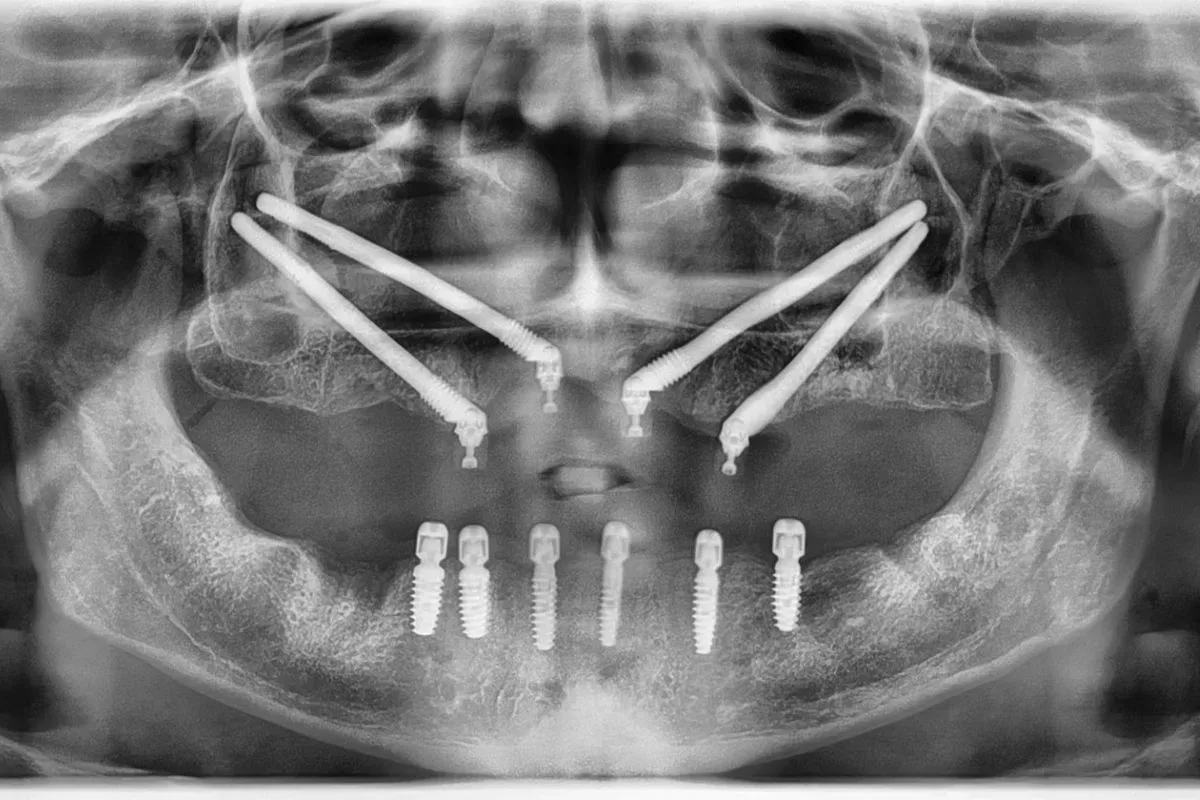
The tooth extraction process in Bursa begins with a detailed intraoral examination. The dentist evaluates the condition of the tooth scheduled for extraction, the surrounding tissues, gum health, and the patient’s symptoms. When necessary, imaging methods such as panoramic X-rays or CT scans are used to examine the tooth’s root structure, its position within the bone, and its relationship with surrounding teeth.
Following the evaluation, local anesthesia is administered to the treatment area. Once the area is numb, the tooth is carefully extracted using appropriate dental instruments. While routine tooth extractions may take less time, cases involving impacted teeth or wisdom teeth may require surgical planning.
Once the extraction is complete, bleeding is controlled, and a gauze pad is applied to the extraction site. The patient should be provided with detailed information regarding the post-extraction healing process, eating, oral care, bleeding control, and precautions to take.
Differences Between a Routine Tooth Extraction and a Surgical Tooth Extraction
The main difference between a routine tooth extraction and a surgical tooth extraction lies in the tooth’s position within the mouth and the degree of difficulty involved in the extraction procedure. A routine tooth extraction is performed on teeth that are visible inside the mouth, easily accessible, and have a suitable root structure. This procedure is typically completed under local anesthesia by carefully removing the tooth.
Surgical tooth extraction, on the other hand, may be preferred in cases requiring more detailed planning. For patients searching for “surgical tooth extraction in Bursa,” common scenarios may include impacted teeth, fractured roots, teeth in difficult positions, teeth embedded beneath the bone, or problematic wisdom teeth. X-ray or CT scan evaluations are crucial for these types of procedures. The dentist must determine which extraction method is appropriate based on the tooth’s structure, position, and examination findings.
How Is Wisdom Tooth Extraction in Bursa Planned?
Wisdom tooth extraction in Bursa is frequently sought by patients experiencing issues such as pain, swelling, infection, a narrow jaw, or pressure on an adjacent tooth. However, not every wisdom tooth needs to be extracted. If a wisdom tooth has erupted properly, is not damaging surrounding tissues, and does not negatively affect oral hygiene, it can be monitored.
The decision to extract a wisdom tooth is based on its condition in the mouth. Wisdom teeth can be fully erupted, partially impacted, or fully impacted. Partially impacted teeth may lead to food buildup under the gums, infection, and pain. In the case of fully impacted teeth, risks such as pressure on adjacent teeth or cyst formation may be assessed.
For this reason, prior to wisdom tooth extraction, the tooth’s root structure, its position within the jawbone, and its relationship with surrounding tissues should be examined using an X-ray or CT scan. The treatment plan is developed based on this evaluation.
What Is an Impacted Tooth Extraction?
An impacted tooth extraction is a procedure performed when a tooth is completely or partially trapped beneath the jawbone or gum tissue. Impacted teeth may not be visible in the mouth at all, or only a small portion of them may be visible. The most common impacted teeth are typically wisdom teeth.
While impacted wisdom teeth may not cause any symptoms in some patients, in other cases they can lead to problems such as pain, swelling, infection, difficulty opening the mouth, jaw sensitivity, or pressure on adjacent teeth. For this reason, it is important for impacted teeth to be evaluated regularly by a dentist.
The decision to extract an impacted tooth should be based not only on symptoms but also on X-ray or CT scan findings. After examining the tooth’s position, root structure, and relationship with surrounding anatomical tissues, the most appropriate treatment plan is developed.
How Are Molar and Root Extractions Performed?
Molar and root extractions are procedures that require careful planning based on the condition of the tooth. Since molars play a crucial role in chewing function, conservative treatments to preserve the tooth should be considered whenever possible. If the tooth can be saved using options such as fillings, root canal treatment, or crowns, extraction is considered a last resort.
However, extraction may be necessary in cases of advanced decay, a fractured tooth structure, infection, excessive loss of tooth structure, or an irreparable root structure. In root extraction, it is important to evaluate the tooth’s root structure, its position within the bone, and its relationship with surrounding tissues. For this reason, an X-ray examination should be performed before the procedure, and the extraction plan should be developed based on the dentist’s examination.

What Should Be Considered Before a Tooth Extraction?
The patient’s general health status must be assessed before a tooth extraction. Medications being taken, chronic illnesses, use of blood thinners, pregnancy status, history of allergies, or previous medical issues should be discussed with the dentist. This information is crucial for safely planning the procedure.
For some patients, adjustments to medication, additional imaging, or different preparations may be required before the procedure. Whether fasting, taking medication before the procedure, or taking special precautions is necessary may vary depending on the type of extraction and the dentist’s plan.
Sharing all health information accurately and completely helps reduce risks that may arise during and after a tooth extraction. For this reason, the pre-extraction examination and informed consent process must be completed carefully.
Is Pain After a Tooth Extraction Normal?
Mild pain, sensitivity, a feeling of pressure, or discomfort in the extraction site after a tooth extraction is considered normal. Sensitivity lasting a few days may occur, particularly after surgical tooth extraction, impacted tooth extraction, or wisdom tooth extraction. During this period, taking the medications prescribed by the dentist regularly and following post-procedure instructions supports the healing process.
The pain is expected to subside over time. However, if you experience symptoms such as progressively worsening pain, bad breath, a bad taste in the mouth, severe swelling, fever, or prolonged bleeding, you should contact your dentist. These symptoms may indicate an infection or another issue with the healing process.
The course of pain following a tooth extraction can vary from patient to patient. The most accurate assessment should be made under the supervision of the dentist who performed the extraction.
When Should You Eat After a Tooth Extraction?
The most important thing to remember about eating after a tooth extraction is not to eat until the effects of the anesthesia have completely worn off. While numbness persists, you may bite your lip, cheek, or tongue without realizing it. For this reason, you should wait until sensation in your mouth returns to normal.
After the first few hours, you may eat warm, soft foods that do not irritate the extraction site, as recommended by your dentist. Easily consumable foods such as yogurt, purees, and soup are suitable; however, you should avoid very hot foods and beverages.
After a tooth extraction, you should avoid hard foods, foods with shells, using a straw, and any actions that might put pressure on the extraction site. Following the dentist’s dietary recommendations helps ensure a more comfortable healing process.
How Does the Recovery Process Proceed After a Tooth Extraction?
The recovery process after a tooth extraction begins with the formation of a blood clot at the extraction site. This clot is essential for the area to close properly and for healing to begin. Therefore, it is important to protect the extraction site during the first few hours and days following the procedure.
Patients are advised to avoid behaviors such as spitting, vigorous gargling, smoking, drinking through a straw, and poking the extraction site with their tongue or finger during the first few days. Such actions can disrupt the blood clot and prolong the healing process.
Taking the medications prescribed by the dentist as directed, maintaining good oral hygiene, and attending the recommended follow-up appointments all support the healing process. The healing time may vary depending on the difficulty of the extraction, the patient’s overall health, and post-operative care.
How Long Does Bleeding Last After a Tooth Extraction?
Mild bleeding in the form of a trickle after a tooth extraction is considered normal. The gauze pad applied by the dentist after the procedure should be bitten down on for the recommended duration and should not be changed frequently. Using the gauze pad correctly helps control the bleeding.
It is normal to see slight blood mixed with saliva during the first few hours. However, if you experience heavy, unstoppable, or prolonged bleeding, you must contact your dentist immediately.
To prevent increased bleeding, you should avoid hot foods and beverages, spitting, vigorous gargling, and any actions that apply pressure to the extraction site. It is especially important for patients taking blood-thinning medications to follow the dentist’s instructions carefully both before and after the procedure.
What Factors Affect Tooth Extraction Prices in Bursa?
Tooth extraction prices in Bursa may vary depending on the type of extraction to be performed and the complexity of the procedure. A standard tooth extraction, surgical tooth extraction, impacted tooth extraction, or wisdom tooth extraction may require different planning. For this reason, it is not accurate to provide a precise price without an examination.
Factors affecting the price include the tooth’s position in the mouth, its root structure, whether the tooth is fractured, the presence of infection, the need for imaging, and whether surgical intervention is required. In particular, impacted teeth and problematic wisdom teeth may require a more detailed evaluation and surgical planning.
The most accurate information regarding tooth extraction prices in Bursa can be provided through a personalized treatment plan created following a dental examination. Transparent pricing helps patients better understand the process and costs before the procedure.