
Signs of implant failure are among the issues patients are most curious about following implant treatment and should be taken seriously. Mild pain, swelling, or tenderness after implant placement may be considered normal for a certain period; however, if these symptoms gradually worsen, persist for a long time, or if symptoms such as loosening of the implant, bad odor, discharge, or discomfort while chewing appear, a dental examination is absolutely necessary.
A failed implant does not always mean the implant will be completely lost. In some cases, if the problem is detected early, the tissues surrounding the implant can be supported, the infection can be brought under control, or prosthesis-related issues can be corrected. For this reason, it is crucial to accurately assess symptoms such as signs of implant failure, post-implant pain, post-implant swelling, and signs of implant infection.
For patients in Bursa experiencing complaints such as pain, swelling, pain from the implant screw, or implant loosening after implant treatment, an early checkup is a crucial step in ensuring treatment success. As Klinik Bursa, in this article we will address frequently asked questions—such as what the signs of implant failure are, how to tell if an implant has failed, which post-implant conditions are risky, and when to see a dentist—in a patient-centered and easy-to-understand manner.
What Are the Signs of Implant Failure?
Signs of implant failure refer to important indicators to watch for during the healing process following implant treatment. Mild pain, swelling, sensitivity, and a sensation of pressure in the area in the first few days after implant placement are often considered normal. However, these symptoms are expected to subside over time. If the pain gradually increases, the swelling persists for a long time, or an uncomfortable sensitivity develops in the implant area, a dental checkup is absolutely necessary.
During the post-implant period, symptoms such as implant loosening, bad odor, discharge, redness around the gums, bleeding, or pain while chewing should not be ignored. Such symptoms do not always mean the implant will be lost; however, an evaluation of the gum tissue, bone structure, or prosthesis fit around the implant may be necessary. Issues detected early on can often be addressed with more controlled and preventive approaches.
For patients in Bursa experiencing post-implant pain, swelling, pain from the implant screw, or signs that the implant is not taking hold, an early checkup is crucial. As Klinik Bursa, in this article we will address frequently asked questions—such as what the signs of implant failure are, how to tell if an implant has failed, which post-implant conditions are considered normal, and when to consult a dentist—in a patient-centered manner.
What Is an Implant Failure?
An implant failure occurs when the implant fails to integrate with the jawbone as expected or when problems develop in the gum and bone tissue surrounding the implant over time. However, not every instance of pain, sensitivity, or mild swelling experienced after implant surgery directly indicates implant failure. There is a specific healing process following implant treatment, and mild discomfort may occur during this time. The key is that these symptoms should subside over time.
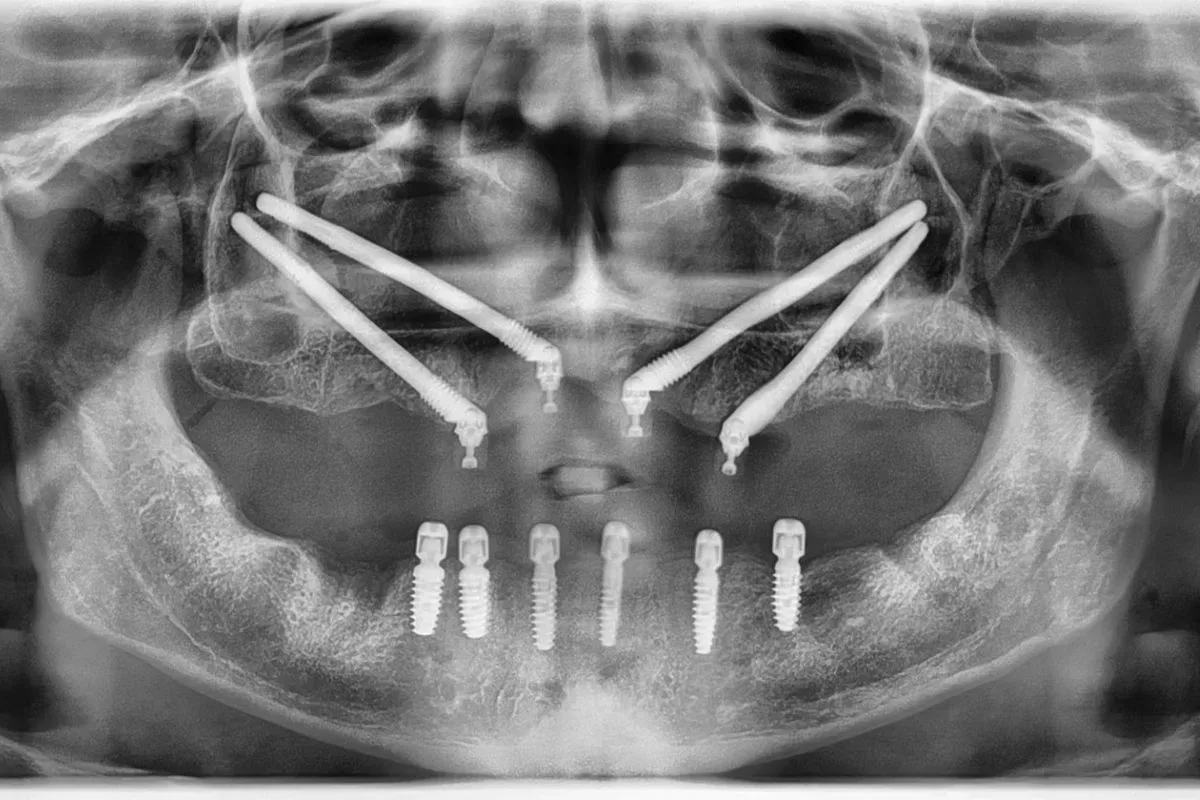
Implant failure can occur either in the early or late stages. Early-stage failure is generally related to the implant not fusing sufficiently with the bone—that is, the implant not taking hold. In this case, symptoms such as persistent pain, a sensation of pressure, sensitivity, or mobility around the implant may be noticed. A definitive diagnosis, however, can only be made through a clinical examination and X-ray evaluation.
In cases of late-stage implant failure, problems may develop after the implant has been used without issues for some time. Implant infection, bone loss, poor oral hygiene, teeth grinding, or excessive force applied to the implant can contribute to this process. For this reason, it is crucial not to skip post-implant follow-up appointments—both to maintain the health of the implant and to detect potential problems early.
What Are the Signs of Implant Failure?
Signs of implant failure typically manifest as symptoms in the implant area that differ from the normal healing process. In the first few days after implant placement, mild pain, swelling, sensitivity, and a sensation of pressure in the area may be experienced. However, while pain is expected to subside over time, if it gradually increases, persists for a long time, or causes discomfort while chewing, this may be a situation that warrants evaluation for implant failure.
Redness around the gums, bleeding, bad breath, discharge, a bad taste in the mouth, and persistent swelling after the implant procedure are also symptoms that require attention. These findings may suggest an infection, inflammation, or healing problem in the tissues surrounding the implant. If symptoms of an implant infection are detected early, prompt intervention can help preserve the surrounding gum and bone tissue.
Looseness of the implant is a symptom that must be taken seriously. In some patients, the sensation of looseness may stem not from the implant itself but from the prosthesis attached to it; however, this distinction can only be made through a dental examination. If symptoms such as pain, swelling, bad odor, discharge, or a sensation of movement are noticed, you should schedule a follow-up appointment without putting pressure on the implant site. A detailed examination and X-ray evaluation at Klinik Bursa can determine whether the problem stems from the implant, the surrounding tissues, or the fit of the prosthesis.
How Can You Recognize the Signs of Implant Failure?
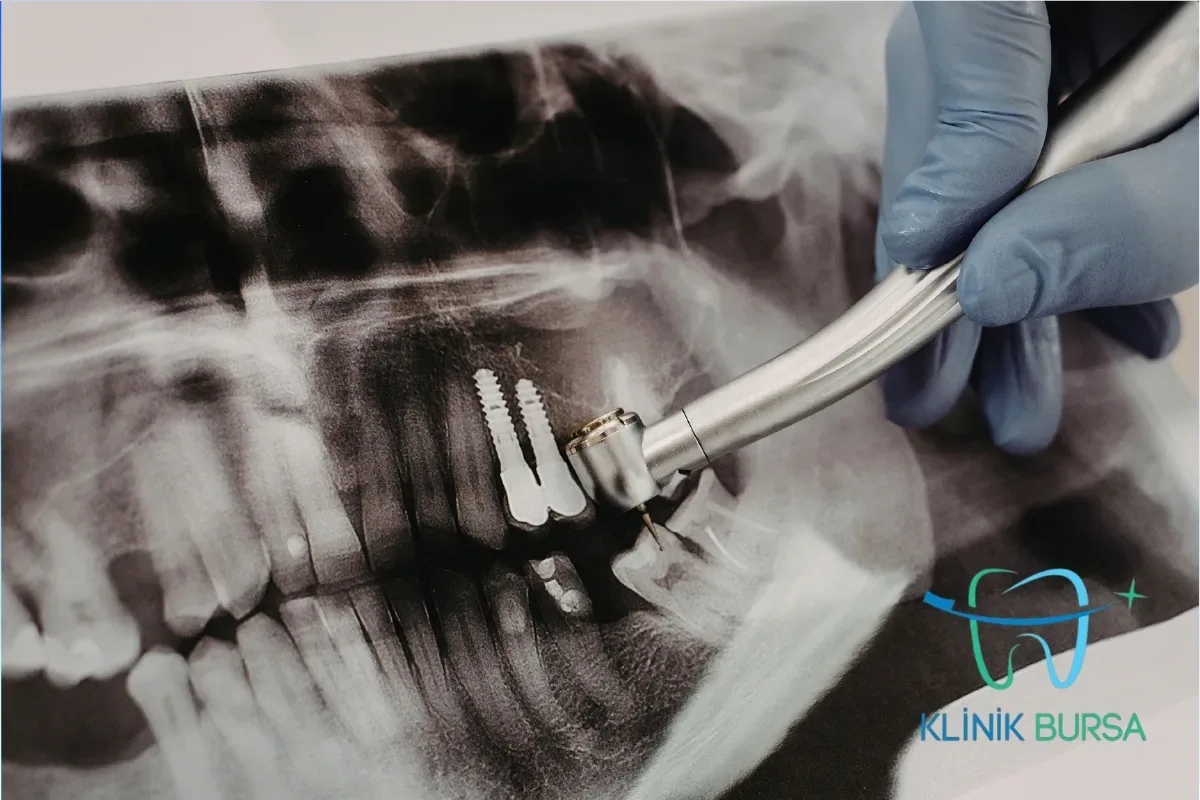
Signs of implant failure may indicate problems with the expected osseointegration process between the implant and the jawbone. A specific healing period is required after implant placement, during which the implant is expected to integrate with the bone. However, in some cases, symptoms such as persistent sensitivity in the implant site, a constant feeling of pressure, or discomfort in the treatment area may arise.
Pain while chewing in the implant area, sensitivity around the implant screw, a feeling of discomfort when pressure is applied, or a sensation that the implant is not firmly in place are among the symptoms that warrant evaluation. These symptoms do not always mean that the implant has failed; sometimes, gum healing, prosthesis fit, or temporary sensitivity can also cause similar sensations.
Whether the implant has taken hold cannot be determined definitively by the patient’s own observations. For this, a clinical examination by a dentist is necessary, and if needed, an X-ray should be taken to evaluate the bone tissue surrounding the implant. For patients in Bursa experiencing persistent pain, a sensation of pressure, or pain from the implant screw after implant placement, a follow-up examination at Klinik Bursa is important for identifying the problem in its early stages.
When Is Post-Implant Pain Normal, and When Is It a Cause for Concern?
Some degree of pain is to be expected in the first few days following implant surgery. Since the procedure involves work on the gums and jawbone during implant placement, mild to moderate pain, tenderness, and a sensation of pressure in the area are considered normal. Generally, this pain is expected to be managed with the medications prescribed by the dentist and to gradually subside over the course of several days.
However, if the pain after the implant procedure gradually increases, becomes throbbing, or does not subside despite medication, this may be a sign of a potentially serious condition. In particular, if pain around the implant screw persists for a long time, causes significant discomfort when pressure is applied, or is felt during chewing, the tissues surrounding the implant must be evaluated. While this may sometimes be due to sensitivity during the healing process, it can also be related to an infection or a problem with the implant’s integration into the bone.
In addition to pain, if you experience swelling, fever, a bad taste in your mouth, bad breath, discharge, or bleeding around the gums after the implant procedure, you should see a dentist immediately. These symptoms may indicate an implant infection, and early intervention can help protect the gum and bone tissue surrounding the implant. Therefore, post-implant pain should not be taken lightly, and any symptoms that deviate from the normal healing process must be examined.
Post-Implant Swelling and Signs of Infection
Swelling after an implant procedure may be seen as the body’s natural healing response in the first few days following the procedure. Mild swelling, tenderness, and a sensation of fullness in the gum and jawbone area are often normal due to the procedure. However, this swelling is expected to subside over time. If the swelling increases as the days go by, persists for a long time, or becomes more pronounced along with pain, the implant site must be evaluated for infection.
Symptoms of an implant infection may include redness around the implant, a sensation of warmth, tenderness, bad odor, a bad taste in the mouth, pus-like discharge, bleeding, and discomfort while chewing. These symptoms may indicate inflammation in the gum tissue surrounding the implant. As the infection progresses, it can affect not only the gums but also the bone tissue supporting the implant. Therefore, symptoms such as discharge, a foul odor, or persistent swelling following implant placement should not be ignored.
Early intervention is crucial for protecting the gum and bone tissues surrounding the implant. When the problem is detected early, the infection can be brought under control, the area around the implant can be cleaned, and a treatment plan can be developed more effectively. For patients in Bursa experiencing post-implant swelling, pain, or suspected infection, a detailed examination and X-ray evaluation at Klinik Bursa will help identify the source of the problem.
What Causes Implant Looseness?
Implant mobility is one of the symptoms that must be closely monitored following implant treatment. An implant that has properly integrated with the bone is not expected to move. However, while some patients may feel that the implant is loose, this sensation of movement may sometimes stem not from the implant itself, but from the implant-supported prosthesis, a temporary tooth, or the prosthetic connection screw. This distinction is not something the patient can determine on their own; a dental examination is absolutely necessary.
True implant mobility is not considered normal. Implant wobbling can result from insufficient bone support, the development of infection around the implant, the implant’s failure to achieve adequate integration with the bone, a compromised healing process, or excessive chewing force applied to the implant. It is particularly important to evaluate the situation for implant failure if the sensation of wobbling is accompanied by pain, swelling, a foul odor, discharge, or discomfort while chewing.
If movement is felt in the implant area, you should avoid straining the area, chewing hard foods, and constantly trying to move the implant with your fingers or tongue. In such a situation, an early check-up is important to assess the condition of the implant and surrounding tissues. For patients in Bursa experiencing implant loosening or post-implant discomfort, an examination and X-ray evaluation at Klinik Bursa can determine whether the problem stems from the implant, the prosthesis, or the surrounding tissues.
When Is the Tooth Placed After the Implant Screw Is Inserted?
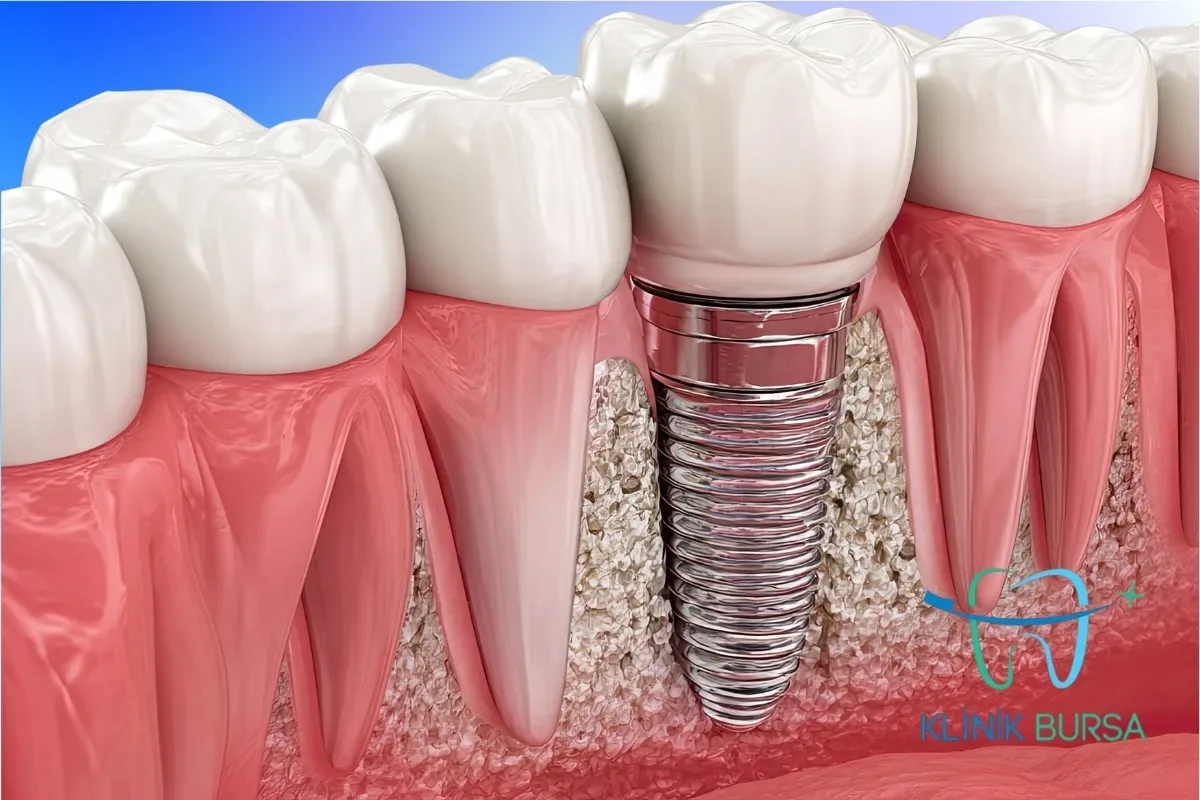
The answer to the question “When is the tooth placed after the implant screw is inserted?” may vary depending on the patient’s bone structure, the area where the implant is placed, the healing process, and the treatment plan. Before a permanent tooth is placed on the implant, it is necessary to wait for the implant to integrate properly with the jawbone. This process does not progress at the same rate for every patient; while healing may be faster in some patients, in other cases a longer waiting period may be required.
In some patients, a temporary tooth may be placed to meet aesthetic or functional needs. However, the presence of a temporary tooth does not mean that the implant has fully healed. For a permanent prosthesis, it must be assessed whether the implant has sufficient bone support, proper gum integration, and is ready to withstand chewing forces. For this reason, regular follow-up appointments during the post-implant period are crucial.
Not rushing this process is one of the most important considerations for implant success. Placing a permanent tooth before the implant has sufficiently integrated with the bone can lead to excessive stress on the implant and, over time, may result in pain, loosening, or other signs of implant failure. To ensure the post-implant prosthetic process is planned at the right time in Bursa, a personalized evaluation can be conducted through follow-up visits at Klinik Bursa.
Post-Implant Precautions
Post-implant care is crucial for ensuring a healthy healing process and the long-term success of the implant. In the first few days, you should avoid straining the implant site, eating hard or crunchy foods, and consuming very hot foods or beverages. Applying excessive pressure to the implant site while chewing can negatively affect the healing tissues.
Maintaining good oral hygiene is one of the most important steps in the post-implant period. Oral care should be performed as recommended by the dentist, prescribed medications should be taken regularly, and antibiotics or pain relievers should not be taken without medical supervision. Smoking can also negatively affect the healing process, so it should be avoided as much as possible, especially during the post-implant period.
It is essential not to miss follow-up appointments to monitor the implant’s integration with the bone and the health of the surrounding tissues. If symptoms such as post-implant pain, persistent swelling, bad odor, discharge, bleeding, or implant loosening are noticed, you should consult your dentist immediately rather than waiting. For patients in Bursa who wish to safely monitor the post-implant follow-up process, Klinik Bursa can create a personalized evaluation and follow-up plan.
What Should Be Done for Signs of Implant Failure in Bursa?
Patients in Bursa experiencing post-implant pain, persistent swelling, implant loosening, foul odor, discharge, or signs of infection should see a dentist immediately without delay. In particular, if pain worsens over time, discomfort occurs while chewing, or movement is felt around the implant, a detailed evaluation of the implant and surrounding tissues may be necessary. For this reason, early examination regarding signs of implant failure in Bursa is crucial.
Symptoms of implant failure do not always mean that the implant will be completely lost. In some cases, the problem may stem from the gum tissue surrounding the implant, the fit of the prosthesis, or a temporary healing issue. However, to determine the exact cause, a clinical examination, X-ray evaluation, and assessment of the bone tissue surrounding the implant are necessary. An implant checkup in Bursa is essential for identifying the source of such complaints and planning the appropriate course of treatment.
At our clinic in Bursa, the implant site is thoroughly evaluated in patients experiencing post-implant complaints. During the examination, the implant’s stability, gum health, prosthesis fit, and X-ray findings are assessed together. Based on the findings, infection control, peri-implant care procedures, prosthetic adjustments, or more advanced treatment options can be planned on a case-by-case basis.
Can a Failed Implant Be Treated?
When symptoms of a failed implant are noticed, patients’ greatest concern is whether the implant will be completely lost. However, not every instance of pain, swelling, sensitivity, or discomfort around the implant necessarily means the implant must be removed. If the source of the problem is identified early on, treatment options aimed at preserving the tissues surrounding the implant can be considered.
In cases detected early, controlling infection around the implant, gum treatment, implant-site care procedures, or adjusting the implant-supported prosthesis may be sufficient. Early examination is particularly important in cases of symptoms such as bad odor, bleeding, discharge, tenderness, or pain while chewing, as it helps prevent the problem from progressing. The goal during this process is not only to evaluate the implant but also to preserve the health of the gum and bone tissue supporting it.
In advanced cases, however, if there is bone loss around the implant, a serious infection, or noticeable implant mobility, it may be necessary to remove the implant and re-plan the area. However, to make this decision, a clinical examination, X-ray evaluation, and the patient’s overall oral health must be considered together. At our clinic in Bursa, treatment plans for patients with suspected implant failure are tailored to each individual based on the current condition of the implant and the patient’s specific needs.