
The question “How is a dental implant placed?” is one of the most frequently asked by patients who are missing teeth and want to learn about the implant treatment process in detail. Implant treatment involves placing an implant screw in the area where the tooth is missing so that it integrates with the jawbone, followed by the fabrication of a prosthetic tooth after the healing process.
The implant process is not limited to simply placing the implant screw. It involves various stages, including a detailed examination before treatment, X-ray or CT scan evaluation, personalized planning, implant placement, post-implant healing, and the preparation of the permanent tooth. For this reason, the answers to questions like “How long does an implant take?” or “When will the implant tooth be placed?” may vary depending on the patient’s bone structure, the number of missing teeth, and the treatment plan.
For patients in Bursa considering implant treatment, proper planning, safe placement, and a regular follow-up process are of utmost importance. As Klinik Bursa, in this article, we will address frequently asked questions—such as how a dental implant is placed, what the stages of implant treatment are, how the implant screw is inserted, how long the procedure takes, and what precautions to take after the implant—in a patient-centered manner.
How Is a Dental Implant Performed?
The question “How is a dental implant performed?” is one of the most frequently researched topics by patients seeking to better understand the process before beginning implant treatment. The dental implant procedure generally consists of the following stages: examination, imaging, personalized planning, implant placement, the healing process, and the preparation of the prosthetic tooth. The goal of this process is to place an implant in the area where the tooth is missing that is compatible with the jawbone and to prepare a tooth on top of it that offers an appearance and function similar to a natural tooth.
Before implant placement, the patient’s oral structure is evaluated in detail. The site for implant placement is then determined, and if the jawbone is suitable, the implant screw is placed in the planned area. Following this procedure, a specific healing period is allowed for the implant to integrate with the bone. Once healing is complete, the treatment is finalized by attaching a prosthetic tooth, crown, or bridge to the implant.
Implant treatment does not proceed the same way for every patient. The structure of the jawbone, the number of missing teeth, gum health, overall health, and the patient’s expectations directly influence the treatment plan. For this reason, the implant process should be considered a personalized treatment plan rather than a standard procedure. At Klinik Bursa, the patient’s oral and jaw structure is examined in detail prior to dental implant placement to develop an appropriate treatment plan.
Pre-Implant Treatment Examination and Planning
The pre-implant examination is one of the most critical stages of treatment. During this stage, the area of the missing tooth, the condition of adjacent teeth, gum health, jawbone structure, and the patient’s overall oral health are assessed. If there is gum disease, infection, insufficient bone, or a problem related to oral hygiene, these issues may need to be addressed before the implant procedure.
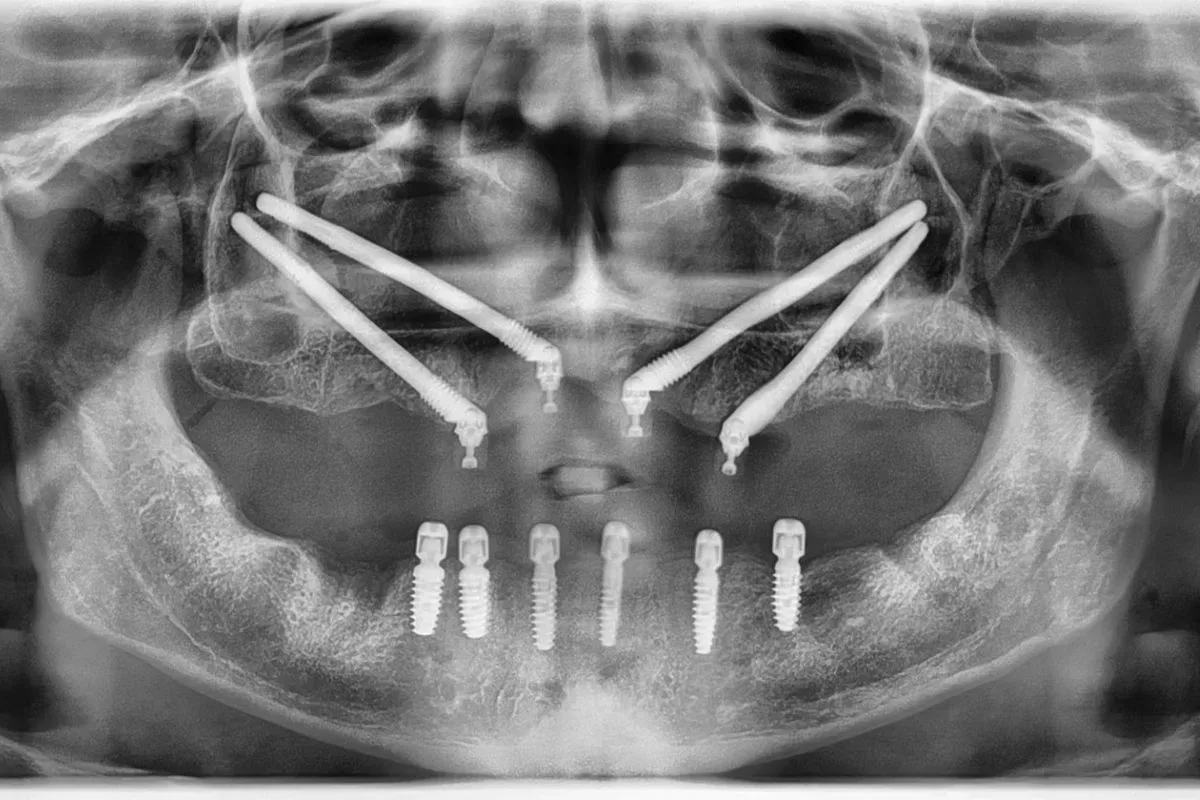
Following the examination, X-rays or, when necessary, a CT scan may be performed. These imaging methods allow for a clearer examination of bone density, bone volume, and anatomical structures in the area where the implant will be placed. This enables more accurate planning of the implant’s angle, position, and size.
The planning phase is of great importance for the safe and successful progression of the implant treatment process. This is because the implant must not only be placed in the bone but also be compatible with the prosthetic tooth that will be placed on it in the future. For this reason, both the surgical phase and the aesthetic and functional planning of the permanent tooth must be evaluated together prior to treatment.
What Are the Stages of Implant Treatment?
The stages of implant treatment generally proceed as follows: examination, planning, placement of the implant screw, the healing process, and the fitting of the prosthetic tooth. In the first stage, the patient’s oral condition is assessed, the area of the missing tooth is examined, and the jawbone is evaluated to determine if it is suitable for an implant. Following this evaluation, the implant site, the number of implants, and the treatment process are planned on a case-by-case basis.
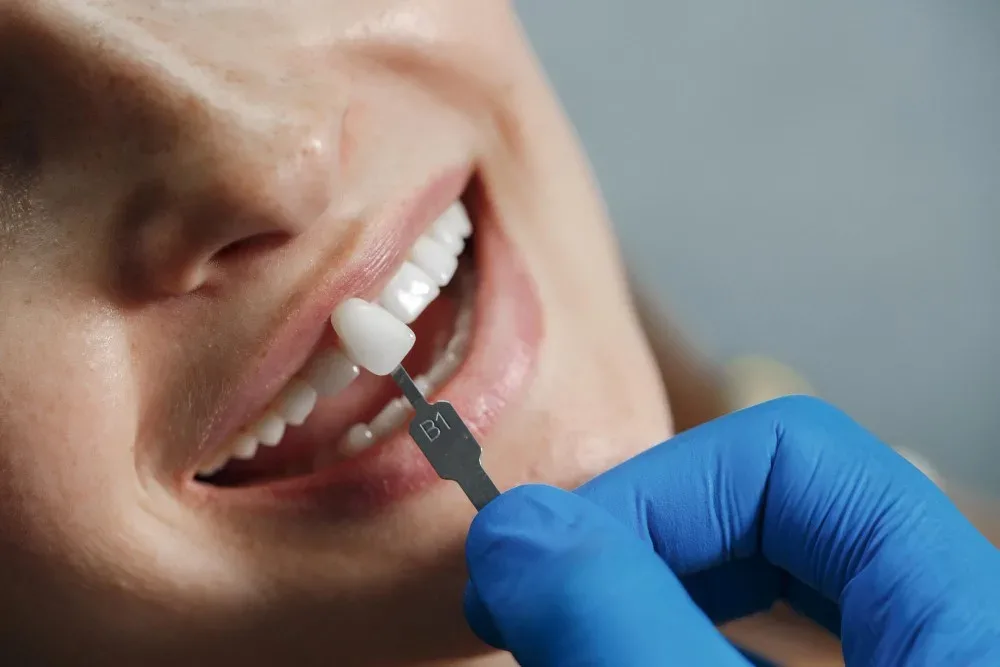
Once planning is complete, the implant procedure is performed. After the implant screw is placed into the jawbone, a specific healing period is allowed for the bone and implant to integrate. When this process is complete, the treatment is finalized by attaching a prosthetic tooth, crown, or bridge to the implant. During the prosthetic phase, the tooth’s color, shape, and bite balance are planned to harmonize with the patient’s natural teeth.
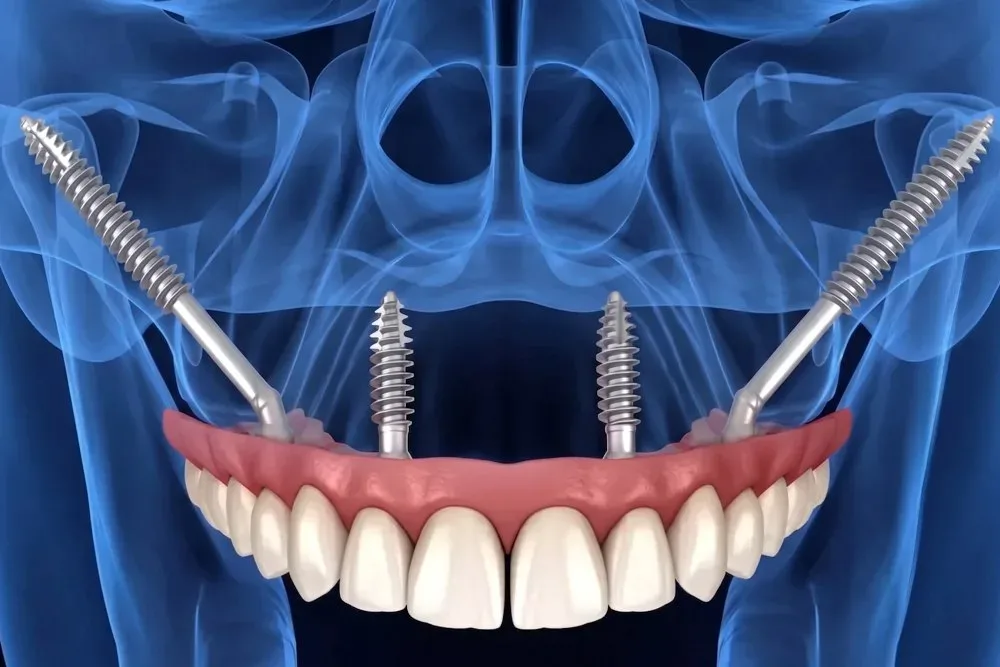
The implant treatment process may not proceed in the same way for every patient. While some patients may require additional bone grafting due to insufficient bone, others may be scheduled for temporary tooth placement for aesthetic or functional reasons. For this reason, the stages of implant treatment must be personalized according to the patient’s bone structure, the number of missing teeth, gum health, and overall oral condition.
How Is an Implant Screw Placed?
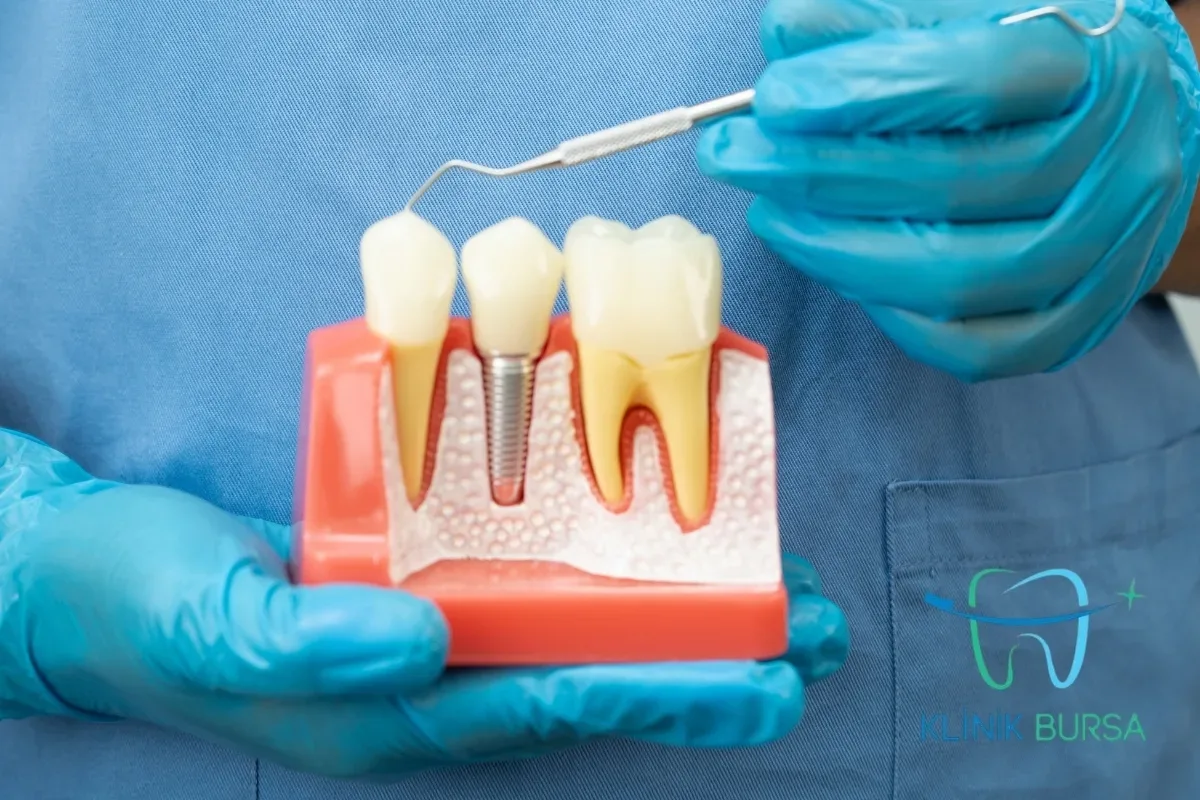
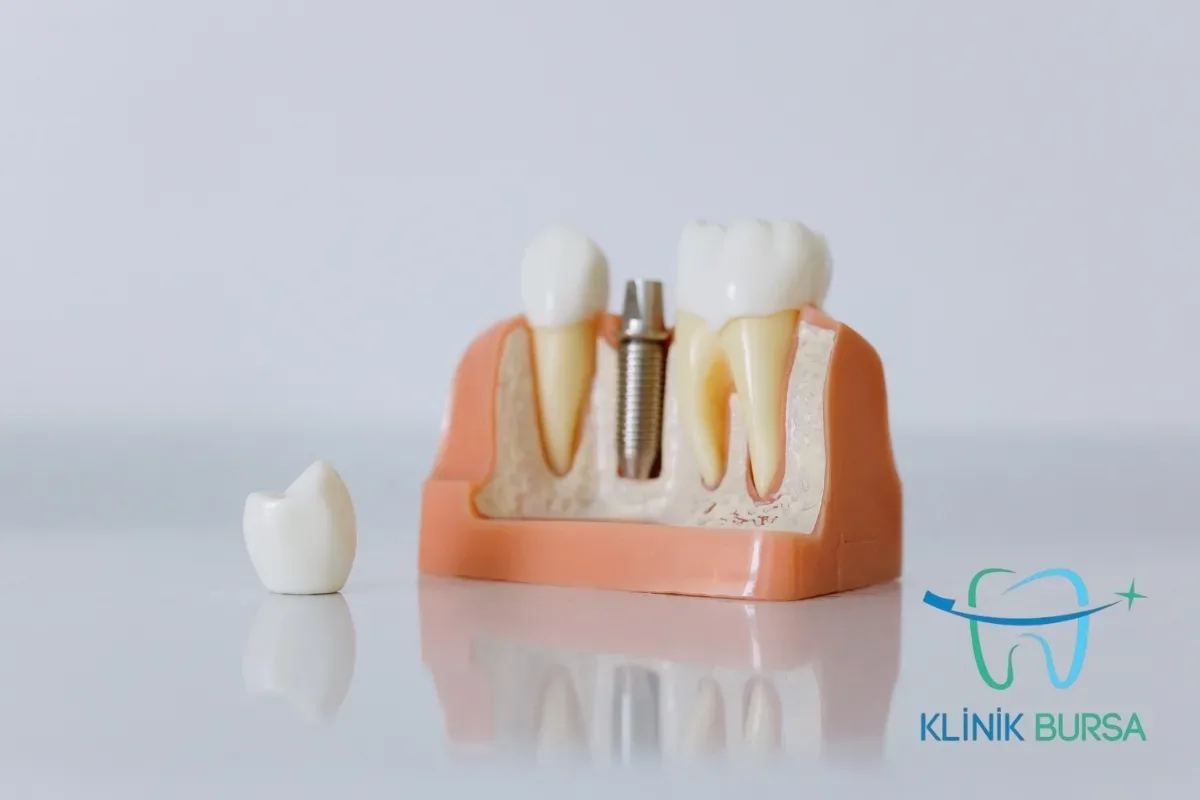
The question of how an implant screw is placed is one of the topics patients are most curious about before implant surgery. An implant screw can be thought of as an artificial tooth root placed into the jawbone in the area where the tooth is missing. The procedure is typically performed under local anesthesia; that is, the area to be treated is numbed so that the patient does not feel pain during the procedure.
During the implant surgery, the dentist prepares the area where the implant will be placed according to the prior treatment plan. The implant screw is then placed into the jawbone at the appropriate angle and position. At this stage, ensuring the implant is in the correct position is crucial for both the healing process and the aesthetic and functional fit of the prosthetic tooth to be placed later.
After the implant screw is placed, the area is allowed to heal and the implant is given time to integrate with the bone. During this process, the patient must follow the dentist’s recommendations, avoid putting strain on the implant site, and attend all follow-up appointments as scheduled. Once the healing process is complete, the prosthetic tooth to be placed on the implant is planned, and the treatment proceeds to its final stage.
How Long Does an Implant Procedure Take?
The duration of an implant surgery can vary depending on the number of implants to be placed and the patient’s oral anatomy. While a single implant procedure is typically completed in a shorter time, the procedure may take longer when multiple implants are to be placed. Therefore, rather than providing a specific timeframe in response to the question “How long does an implant procedure take?”, it is more accurate to evaluate each patient on an individual basis following a clinical examination.
There are many factors that influence the answer to the question, “How long does an implant procedure take?” The patient’s jawbone structure, bone density, the number of missing teeth, the area where the implant will be placed, whether additional surgical procedures are required, and the treatment plan can all directly affect the duration of the procedure. For example, while implant placement may proceed more straightforwardly in a patient with sufficient bone structure, additional procedures may be necessary in patients with insufficient bone support.
Dental implant surgery should not be evaluated solely based on the duration of the procedure. For the treatment to proceed safely and successfully, proper planning, placement of the implant at the correct angle and position, monitoring of the healing process, and preparation of the prosthetic tooth at the right time are all necessary. For this reason, the implant process should be considered a personalized treatment that extends beyond the day of the surgery and includes planning and follow-up phases.
How Does the Post-Implant Healing Process Proceed?
Post-implant healing is the period required for the implant to integrate with the jawbone and for the surrounding gum tissue to heal properly. After the implant is placed, mild pain, swelling, tenderness, or a sensation of pressure may be felt in the area. These symptoms are often a natural part of the healing process and can generally be managed by following the dentist’s recommendations.
The healing process does not proceed the same way for every patient. The patient’s bone structure, the area where the implant is placed, oral hygiene, overall health, and whether any additional procedures were performed during treatment can all affect this process. While healing may proceed more quickly in some patients, in other cases it may be necessary to wait longer for the implant to integrate sufficiently with the bone.
During this period, it is important for the patient to avoid straining the implant site, refrain from eating hard foods, maintain good oral hygiene, and keep all follow-up appointments. If pain, swelling, bleeding, bad odor, or significant discomfort in the implant area persists for an extended period, the patient should contact their dentist. At Klinik Bursa, the post-implant healing process is monitored based on the patient’s condition, allowing for the planning of an appropriate timeline for the permanent tooth phase.
When Is the Implant Tooth Placed?
The answer to the question “When is the implant tooth placed?” depends on the patient’s healing process after the implant screw is placed. In order for a permanent tooth to be placed on the implant, the implant must first achieve sufficient integration with the jawbone. This process may vary depending on the patient’s bone structure, the area where the implant is placed, the number of missing teeth, and the treatment plan.
In some patients, a temporary tooth may be placed to meet aesthetic or functional needs. However, the placement of a temporary tooth does not mean that the implant has fully healed. For a permanent prosthesis, the implant must form a strong bond with the bone, the gum tissue must appear healthy, and the implant must be ready to withstand chewing forces.
Placing the permanent tooth too early can cause excessive stress on the implant. Since this can negatively affect the healing process, the timing of the implant placement must be determined under the dentist’s supervision. At Klinik Bursa, the healing process is monitored through post-implant checkups, and the most appropriate time for the permanent tooth is planned on an individual basis.
How Long Does Implant Treatment Take?
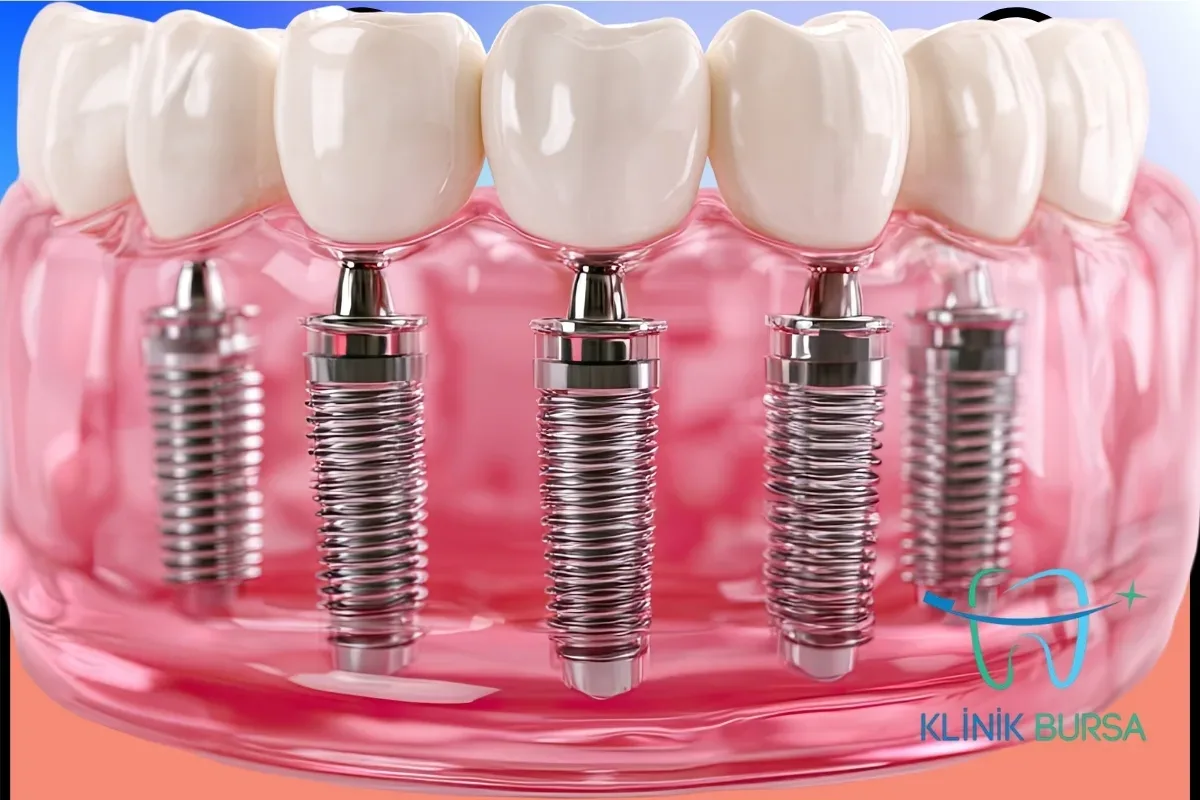
The question of how long the implant process takes is one of the topics patients are most curious about before starting treatment. The implant treatment process is not limited to just the day of the surgery when the implant screw is placed. Treatment consists of various stages, such as examination, imaging, planning, implant placement, the healing period, and the preparation of the prosthetic tooth.
The duration of treatment varies from patient to patient. The number of missing teeth, the structure of the jawbone, the area where the implant will be placed, whether additional bone procedures are needed, the planning of temporary teeth, and the prosthetic phase can all affect the total duration. While the process may proceed more smoothly for a patient with sufficient bone structure, treatment may take longer for patients with insufficient bone support due to additional procedures.
For this reason, implant treatment should not be viewed as a simple procedure completed in a single session. For a successful and long-lasting result, it is crucial that the implant be placed in the correct position, the healing process be monitored, and the permanent tooth be prepared at the right time. At Klinik Bursa, the duration of implant treatment is planned on a case-by-case basis after evaluating the patient’s oral structure and needs.
Post-Implant Care
Post-implant care is essential for the treatment to progress smoothly and for a comfortable healing process. In the first few days, you should avoid putting strain on the implant site, avoid hard and crunchy foods, and refrain from consuming very hot foods and beverages. Applying excessive pressure to the treated area while chewing can negatively affect the healing process of the gum and bone tissue.
Maintaining good oral hygiene is one of the most important aspects of the implant treatment process. You should brush your teeth and practice oral care as recommended by your dentist, take prescribed medications regularly, and avoid taking antibiotics or pain relievers without medical supervision. Since smoking can negatively affect healing, it should be avoided as much as possible, especially during the post-implant period.
It is essential not to miss follow-up appointments to monitor the implant’s integration with the bone and the health of the surrounding tissues. If you experience pain, swelling, bleeding, bad odor, discharge, or noticeable discomfort in the implant area, you should contact your dentist immediately rather than waiting. Early follow-up helps identify potential problems before they become serious.
How Is the Bursa Implant Treatment Process Planned?
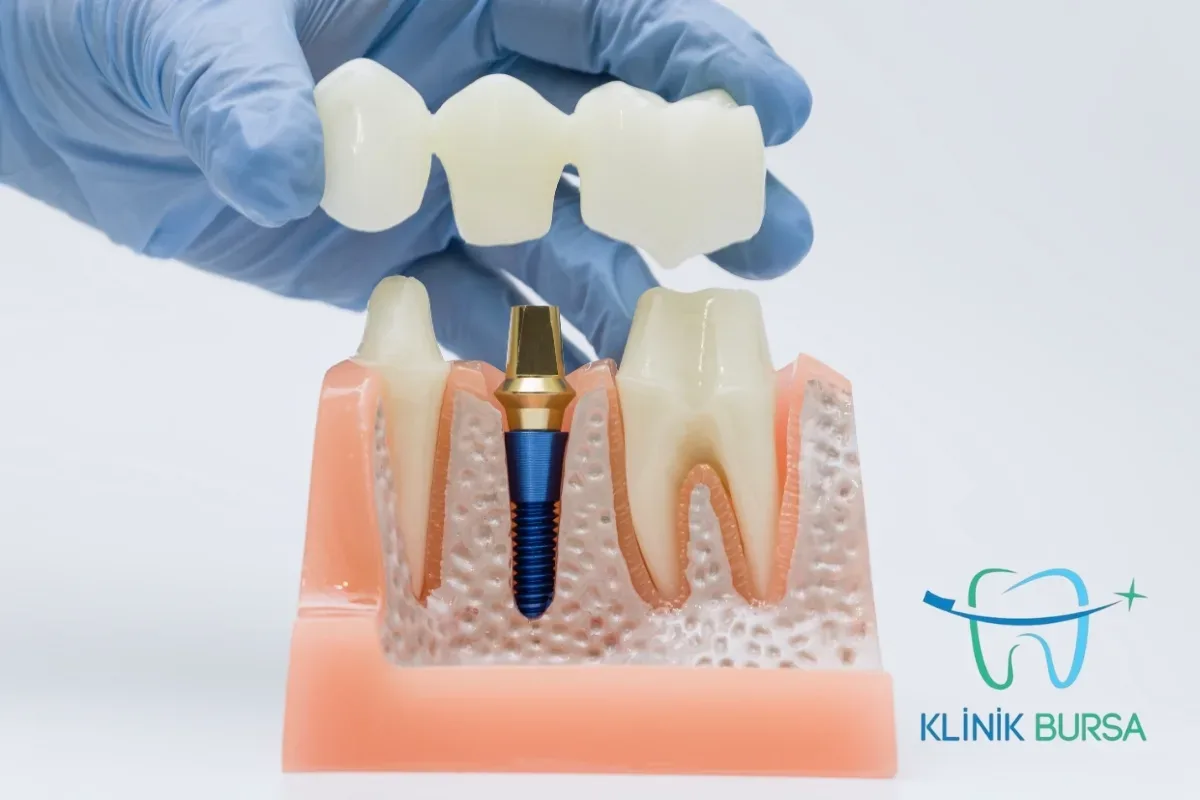
The Bursa implant treatment process is planned based on a detailed evaluation of the patient’s oral structure. Before starting treatment, the area of the missing tooth, the condition of the jawbone, gum health, bite alignment, and overall oral health must be examined together. This evaluation is crucial for ensuring the implant is placed in the correct location, at the appropriate angle, and tailored to the individual.
When planning the dental implant process in Bursa, imaging methods such as X-rays or, when necessary, CT scans may be used. This allows for a clearer assessment of the bone volume and density in the area where the implant will be placed. Additionally, hygiene standards, the materials used, the dentist’s patient education process, and post-treatment follow-up appointments all contribute to the safe progression of implant treatment.
At Klinik Bursa, implant treatment can be customized to each patient based on their oral anatomy, bone condition, number of missing teeth, and expectations. The goal of the treatment process is not merely to place the implant screw; it is to properly monitor the healing period, prepare the permanent tooth at the appropriate time, and establish a treatment process that supports long-term oral health.