
Dental implant treatment is a modern, functional, and long-term treatment option used to replace missing teeth. Implants placed in the jawbone to replace lost teeth help both support chewing function and improve aesthetic appearance. However, one of the most common questions patients considering implant treatment ask is, “Does a dental implant hurt?”
Today, thanks to local anesthesia, proper treatment planning, and modern dental techniques, implant treatment is performed with a focus on patient comfort. The goal during the procedure is for the patient to undergo a safe and controlled treatment process without feeling any pain. For this reason, implant treatment is not just about replacing a missing tooth; it is also important to alleviate the patient’s pre-procedure anxiety.
For patients in Bursa considering implant treatment, a detailed examination, jawbone assessment, and personalized implant planning are of great importance. At our clinic in Bursa, dental implant treatments are planned by taking into account the patient’s oral structure, bone condition, general health information, and expectations. This ensures that the treatment process is both safer and more comfortable for the patient.
Do Dental Implants Hurt?
The answer to the question “Does a dental implant hurt?” is reassuring for most patients: Since local anesthesia is administered during the implant procedure, the patient is not expected to feel any pain in the treatment area. Local anesthesia numbs the area where the implant will be placed, allowing the treatment to be performed more comfortably. For this reason, implant treatment is not as difficult or intimidating a procedure as many patients imagine.
During the procedure, the patient may occasionally feel slight pressure, vibration, or contact. However, these sensations should not be confused with pain. Pain from a dental implant usually does not occur during the procedure but may manifest as mild sensitivity or discomfort after the effects of the anesthesia wear off. This can usually be managed with the medications and care instructions recommended by the dentist.
The answer to the question “Is a dental implant painful?” is closely related to proper planning, jawbone evaluation, the dentist’s experience, the technique used, and the patient’s overall oral health. It is important for patients who are anxious about implant treatment to openly discuss their concerns with their dentist before the procedure. Explaining the process step by step, detailing how local anesthesia for the implant will be administered, and creating a personalized treatment plan can help the patient feel more at ease.
Does Implant Treatment Hurt? How Is the Procedure Performed?
“Does implant treatment hurt?” is one of the most common questions asked by patients considering implants before treatment. Implant placement is typically performed under local anesthesia, and the goal is for the patient to feel no pain during the procedure. Since the area where the implant will be placed is numbed, the patient usually feels only slight pressure, contact, or vibration rather than pain. Therefore, with proper planning and appropriate anesthesia, implant treatment can be performed comfortably for the patient.
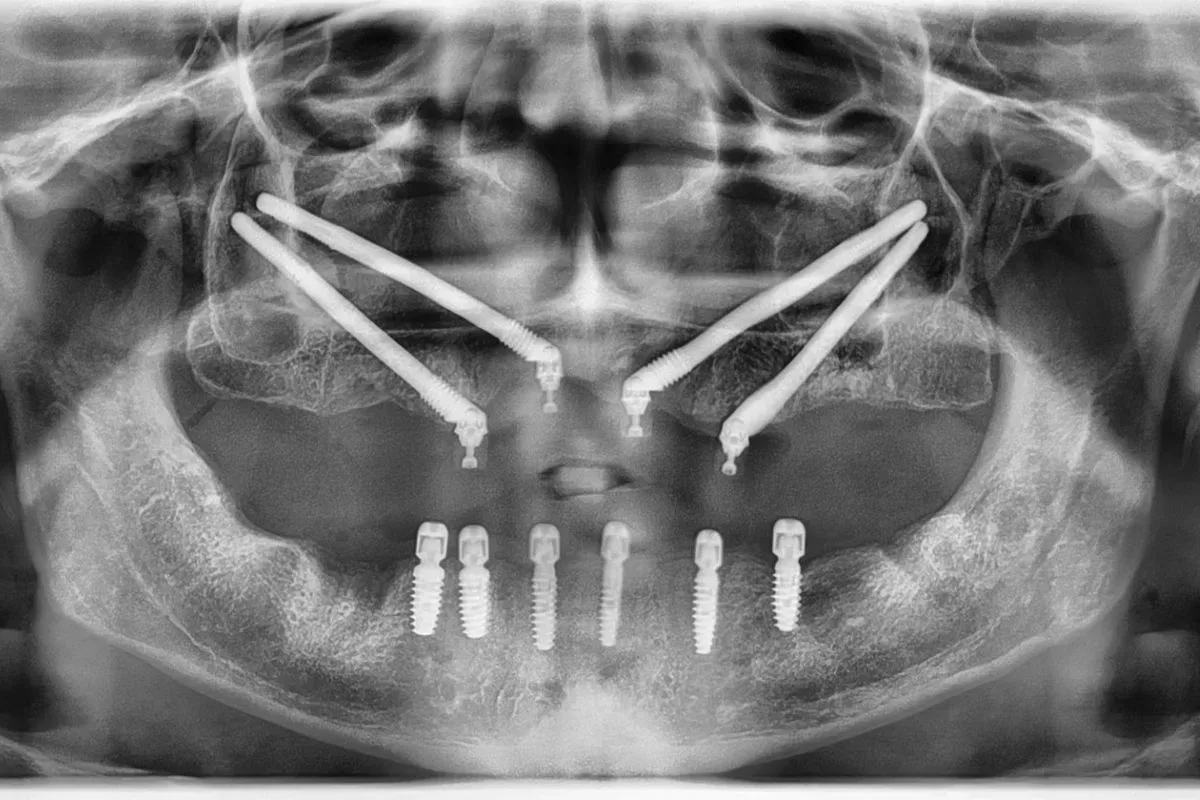
Although the answer to the question “How is implant treatment performed?” varies depending on the patient’s oral and jaw structure, the process generally begins with an examination. In the first stage, the area where the tooth is missing is assessed, and the jawbone is evaluated using X-rays or CBCT imaging. After examining the bone structure, gum health, the number of missing teeth, and the patient’s overall health, a personalized treatment plan is prepared. If appropriate, local anesthesia is administered, and the implant screw is placed into the jawbone.
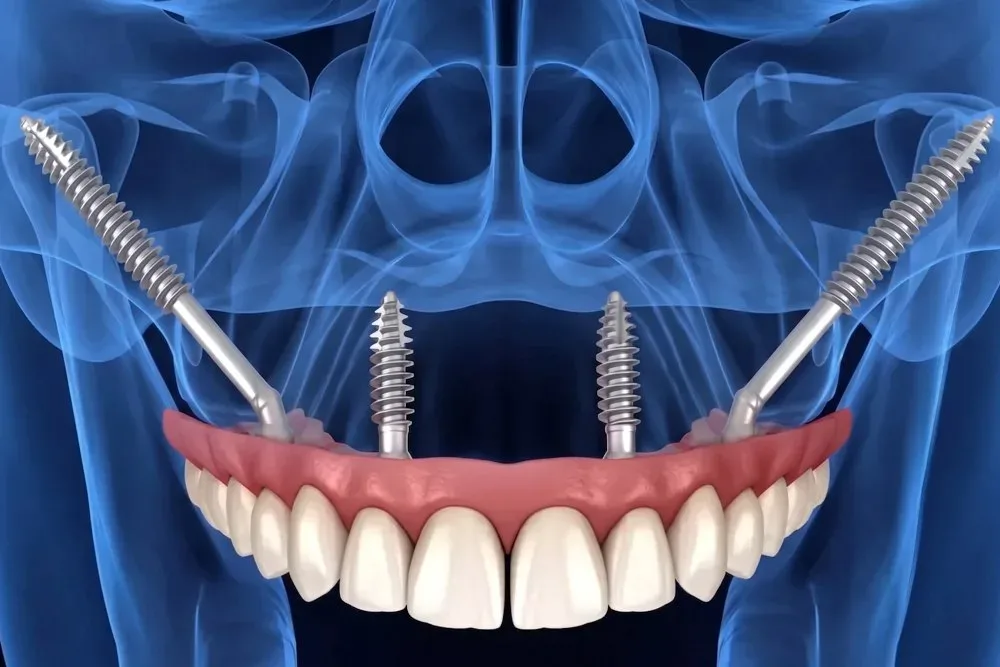
In suitable cases, the implant procedure can be completed in a short time; however, the duration of the procedure and the number of sessions vary from patient to patient. While the process may proceed more simply in patients with sufficient jawbone, those with bone deficiency may require bone grafting, a sinus lift, or additional surgical procedures. For this reason, in addition to the question of whether pain is felt during implant placement, the personalized planning of treatment is also of great importance. Proper evaluation supports both treatment comfort and long-term success.
Does It Hurt When the Implant Screw Is Placed?
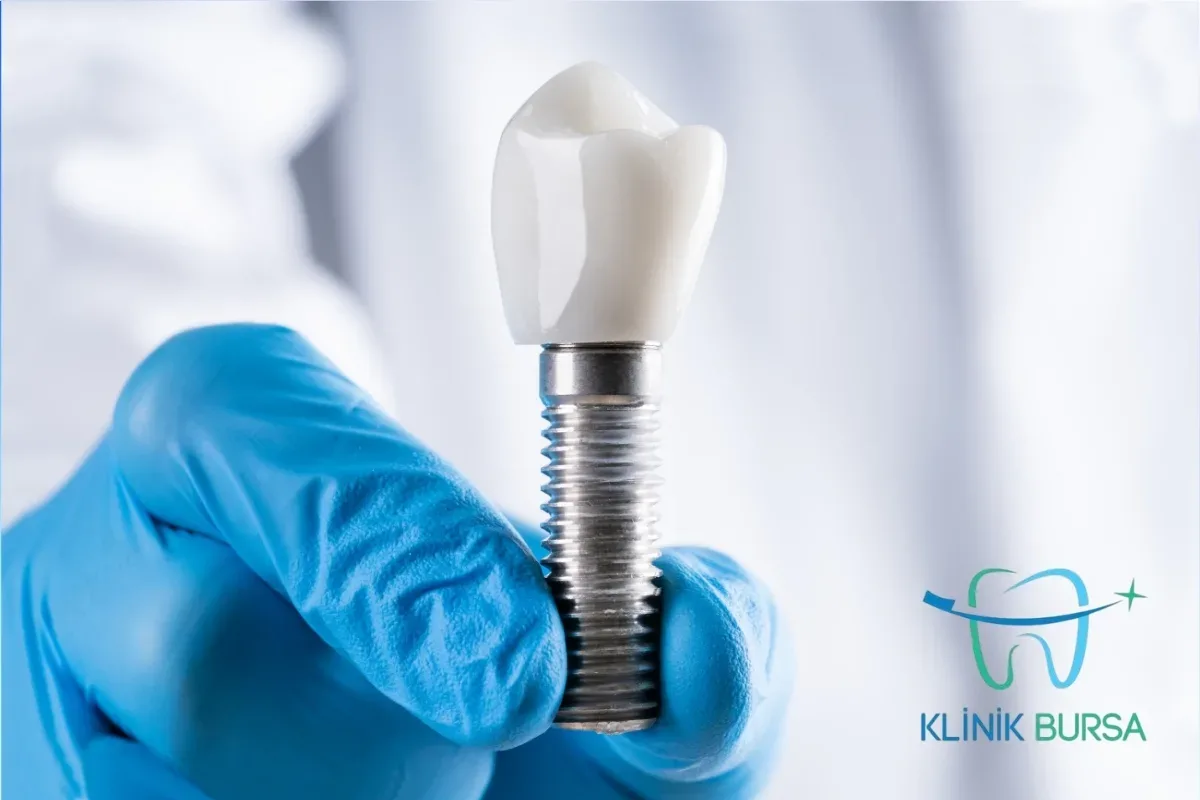
The question of whether it hurts when the implant screw is placed is particularly important for patients who are apprehensive about dental treatments. The implant screw can be thought of as an artificial tooth root placed into the jawbone in the area where a tooth is missing. Since the area to be treated is numbed with local anesthesia before the procedure, you should not feel any pain while the implant screw is being placed.
During the procedure, the patient may perceive some mechanical sensations. A slight pressure, vibration, or sensation of touch is considered normal; however, these do not indicate pain. For most patients, the answer to the question “Does it hurt to get an implant?” is no, because the treatment area is numbed with anesthesia. Clearly explaining all stages of the procedure beforehand also helps reduce anxiety about the treatment and enhances the patient’s comfort.
After the effects of anesthesia wear off, mild pain, tenderness, swelling, or discomfort while chewing may occur in the implant area. This is a natural part of the healing process that can be expected after any surgical procedure. Dental implant pain can usually be managed by following the dentist’s recommendations for medication, cold compresses, and oral hygiene. However, if the pain gradually worsens, persists for a long time, or is accompanied by symptoms such as swelling, fever, or discharge, you must consult your dentist immediately.
Is Post-Implant Pain Normal?
Post-implant pain is not experienced at the same level by every patient. While some patients experience only mild sensitivity after the procedure, others may experience pain, swelling, or discomfort while chewing that lasts for a few days. This can vary depending on the number of implants, the area where the procedure was performed, the patient’s bone structure, whether additional surgical procedures were performed, and the individual’s healing process.
Mild post-implant pain, swelling, gum sensitivity, or a sensation of pressure in the treated area during the first few days is considered normal. In particular, a mild throbbing sensation in the area after the effects of anesthesia wear off may be a natural part of the healing process following surgery. During this period, it is important for the patient to avoid straining the treated area, refrain from eating hard foods, and maintain good oral hygiene.
Following post-implant care instructions helps ensure a more comfortable healing process. Taking the medications prescribed by the dentist as directed, keeping all follow-up appointments, and practicing proper oral hygiene all contribute to the success of the treatment. However, if the pain gradually increases, persists for a long time, or is accompanied by symptoms such as fever, discharge, bad breath, or severe swelling, you should see your dentist immediately.
How Long Does Pain Last After an Implant?
The answer to the question “How long does pain last after an implant?” can vary from patient to patient. Generally, mild pain and sensitivity are expected to subside within the first few days. Swelling and tenderness may be more pronounced within the first 24–48 hours; however, with proper care and adherence to the dentist’s recommendations, these symptoms will gradually subside.
The duration of pain may vary depending on the number of implants placed, the size of the surgical area, the structure of the jawbone, whether additional procedures such as bone grafting or sinus lifting were performed, the patient’s healing capacity, and oral hygiene. While the healing process may feel less intense in patients who receive a single implant, sensitivity may last a bit longer in cases involving multiple implants or additional surgical procedures.
Pain is expected to decrease day by day throughout the post-implant healing process. If the pain increases instead of subsiding over time, worsens during chewing, or is accompanied by symptoms such as swelling, fever, bleeding, or discharge, a follow-up examination should not be neglected. In such cases, early evaluation can help manage potential problems before they escalate.
Is Pain-Free Implant Treatment Possible in Bursa?
The term “pain-free implant treatment in Bursa” refers to ensuring the implant procedure is as comfortable as possible through proper anesthesia, detailed planning, and an approach focused on patient comfort. Since the treatment area is numbed with local anesthesia during implant treatment, the patient is not expected to feel any pain during the procedure. The goal is to complete the treatment in a way that is both safe and more comfortable for the patient.
For patients considering implant treatment in Bursa, a detailed examination, jawbone assessment, and personalized implant planning are of great importance. Every patient’s bone structure, gum health, number of missing teeth, general health, and aesthetic expectations are unique. For this reason, implant treatment should be viewed not as a standard procedure, but as a process that requires a personalized plan.
During the implant treatment process at our clinic in Bursa, the patient’s oral structure, jawbone condition, missing tooth area, and expectations are evaluated together. Before treatment, the procedure, the effects of local anesthesia, the healing process, and post-implant care steps are clearly explained to the patient. This information can help reduce anxiety, particularly in patients who are afraid of dental treatment, and can help them feel more secure throughout the treatment process.
Post-Dental Implant Care Guidelines
Post-implant care is crucial for both pain management and ensuring the implant heals properly. After the implant is placed, you may experience sensitivity, mild swelling, or a slight throbbing sensation in the treatment area. Following your dentist’s recommendations during this period helps ensure a more comfortable post-implant care process.
In the first few days, it is recommended to avoid very hot foods and beverages, hard foods, smoking, and chewing motions that put strain on the surgical site. Smoking, in particular, can negatively affect healing inside the mouth and is therefore one of the key factors to be mindful of during the post-implant healing process. It is advisable to choose softer, lukewarm foods that do not irritate the surgical site.
Maintaining good oral hygiene, taking the medications prescribed by your dentist as directed, and attending follow-up appointments on time all contribute to the success of the treatment. Since the number of implants, bone structure, and treatment plan vary for each patient, it is important to follow the personalized instructions provided. Adhering to these recommendations contributes to both the healthy healing of the tissues surrounding the implant and long-term implant success.
Is Implant Treatment Safe?
The question of whether implant treatment is safe is one that patients naturally wonder about before beginning treatment. Dental implant treatment can be considered a reliable treatment option when performed with proper patient selection, a detailed examination, appropriate planning, and under hygienic clinical conditions. The key here is that the treatment must be planned individually based on the patient’s oral structure and overall health.
A pre-implant examination is crucial for a safe implant procedure. An analysis of the jawbone is performed using X-rays or CBCT imaging, gum health is assessed, and the patient’s general health information is taken into account. Factors such as diabetes, gum disease, smoking, bone deficiency, or regularly taken medications must be evaluated before the procedure. In necessary cases, bone grafting, sinus lifting, or additional preparatory steps may be included in the treatment plan.
Patients seeking dental implants in Bursa should not base their decision solely on price. When selecting an implant clinic in Bursa, the dentist’s experience, the imaging methods used, hygiene standards, patient education, and the post-treatment follow-up process should all be evaluated together. Implant treatment at the clinic in Bursa is planned by taking into account the patient’s jawbone structure, the number of missing teeth, aesthetic expectations, and long-term oral health goals.