
Bone grafting is an important bone augmentation procedure performed in patients who lack sufficient jawbone volume prior to dental implant treatment. Due to reasons such as tooth loss, prolonged toothlessness, infection, trauma, or jawbone resorption, there may not be sufficient bone volume in the area where the implant is to be placed. In such cases, a bone graft—or “dental bone powder” treatment, as it is commonly known—may be necessary to ensure the implant can be placed securely and safely.
In particular, pre-implant bone grafting helps strengthen the jawbone and create a more suitable foundation for implant treatment. Bone grafting is one of the most commonly chosen supportive procedures for patients planning implant treatment in Bursa. However, the need for a bone graft varies from patient to patient; the appropriate decision is made following an intraoral examination, a panoramic X-ray, and, when necessary, a 3D CT scan.
At our clinic in Bursa, the bone grafting process is customized for each patient, taking into account the structure of the patient’s jawbone, the implant site, the extent of bone loss, and overall oral health. In this article, we’ll explain what bone grafting is, why bone powder is used for dental implants, what the bone graft healing process is like, and whether it can be performed on the same day as implant treatment in Bursa—all answered in a patient-focused and easy-to-understand manner.
What Is Bone Grafting?
Bone grafting is a bone augmentation procedure performed when there is insufficient bone volume in the jawbone. Especially if the bone thickness, height, or density in the area where a dental implant is planned is insufficient, bone grafting may be necessary to ensure the implant is placed on a more stable foundation. This procedure helps strengthen the jawbone and create a more suitable structure for implant treatment.
Bone graft, dental bone graft, or “dental bone powder”—as it is commonly known—are terms associated with the same treatment process. Graft materials used in dentistry are applied to support the missing bone volume and help the jawbone regain its strength. However, the need for a bone graft varies from patient to patient; therefore, the decision to proceed with treatment must always be made following a clinical examination and radiological evaluation.
Why Is a Bone Graft Performed Before Dental Implant Surgery?
In dental implant treatment, sufficient bone support is required for the implant screw to be securely anchored in the jawbone. If bone volume is insufficient in the area where the implant will be placed, it may be difficult to position the implant correctly. For this reason, a bone graft before dental implant surgery may be performed to make the implant treatment safer and more predictable.
Insufficient bone for an implant typically results from prolonged tooth loss, gum disease, infections, trauma, or jawbone resorption. In such cases, a pre-implant bone graft supports the jawbone and strengthens the implant site. This allows for a healthier, long-term implant plan tailored to the patient’s oral anatomy.
What Is Dental Bone Powder?
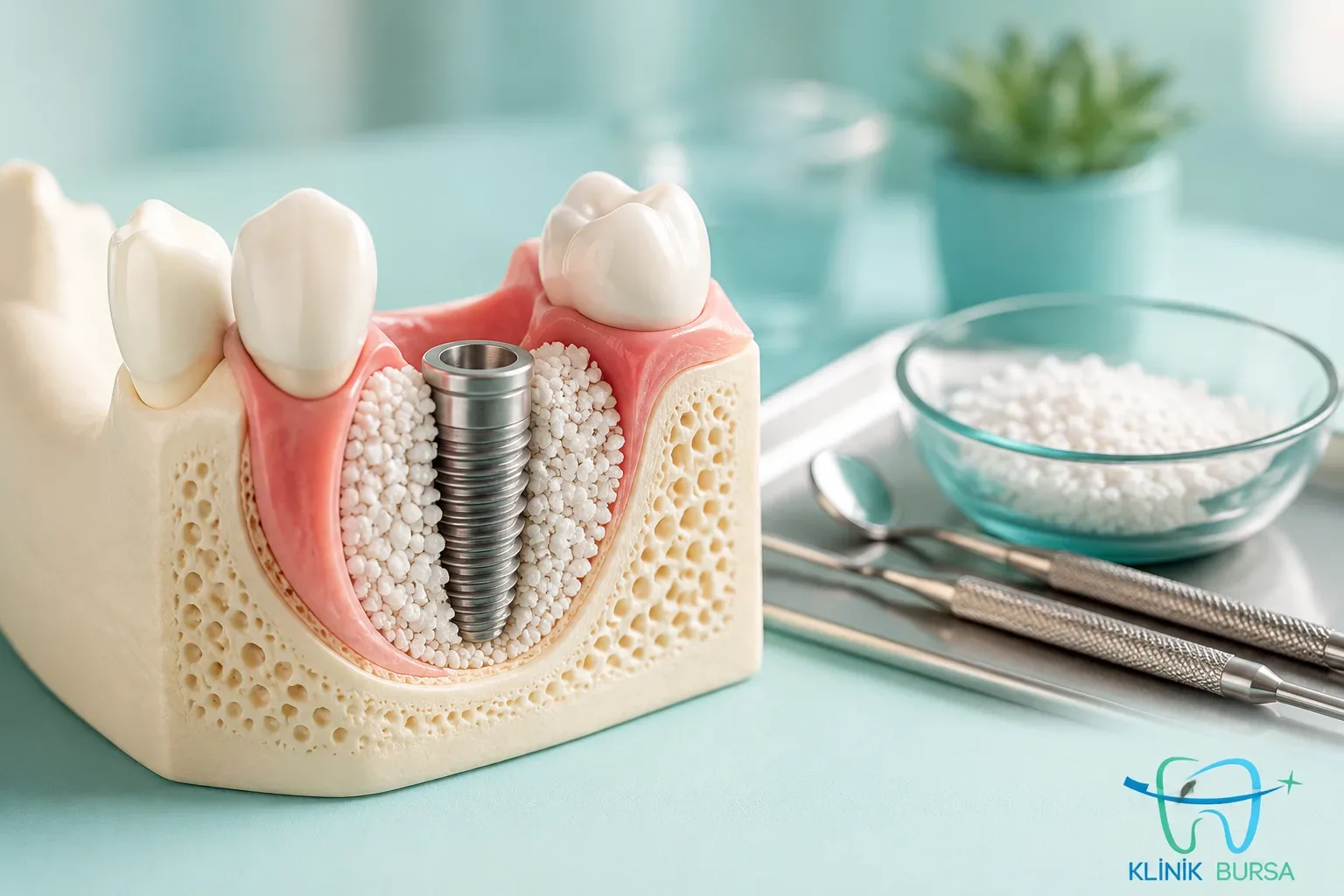
Dental bone powder is one of the biocompatible support materials used in bone grafting procedures. Although commonly known as “dental bone powder,” in dentistry these materials are generally classified as bone grafts or dental bone grafts. The goal is to support the missing volume in the jawbone and help create a bone structure more suitable for implant treatment.
The use of bone powder for dental implants may be considered, particularly when the bone thickness or height in the area where the implant will be placed is insufficient. Supporting the implant site with bone powder treatment can be an important part of the jawbone strengthening process. However, the graft material to be used, the application area, and the treatment plan must be determined by the dentist based on the patient’s bone structure.
Who May Need Bone Graft Treatment?
Patients who lack sufficient bone volume for dental implants most commonly require bone graft treatment. In individuals who have been toothless for a long time, the jawbone may gradually thin and lose volume due to the absence of tooth roots. This condition can lead to insufficient bone for an implant and may necessitate pre-implant bone graft planning.
Patients experiencing jawbone resorption, those with bone loss following trauma, and patients who have lost bone support due to infection or advanced gum disease may also be candidates for dental bone grafting. The need for bone grafting can only be determined following an intraoral examination, a panoramic X-ray, and, when necessary, a 3D CT scan. For this reason, a treatment plan must be tailored to each individual patient.
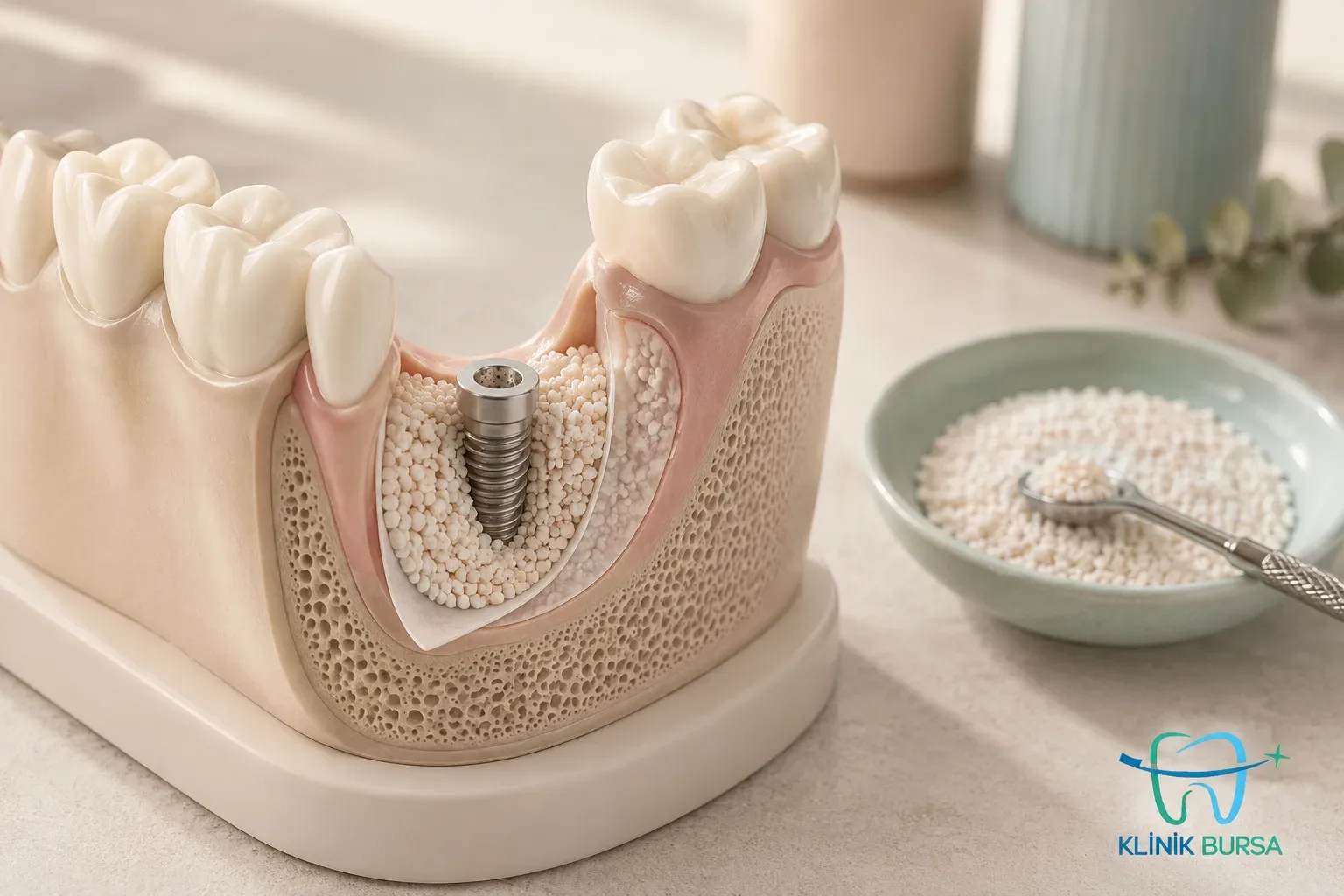
Jawbone Resorption and Insufficient Bone for Implants
Jawbone resorption is a significant condition that can develop over time, particularly after tooth loss. The natural tooth root continuously stimulates the jawbone and helps maintain its vitality. However, when a tooth is lost, this stimulation decreases. In areas that have been toothless for a long time, the jawbone may gradually begin to thin and lose its height or width. This condition is assessed as insufficient bone for an implant when planning dental implant treatment.
For successful and safe planning of implant treatment, there must be sufficient bone volume in the area where the implant will be placed. In patients experiencing jawbone resorption, it may be difficult to securely place the implant. For this reason, bone grafting—as part of jawbone resorption treatment—can serve as a crucial supportive procedure during the pre-implant preparation process. Strengthening the implant site with a bone graft helps create a more suitable bone foundation.
How Is Bone Grafting Performed in Bursa?
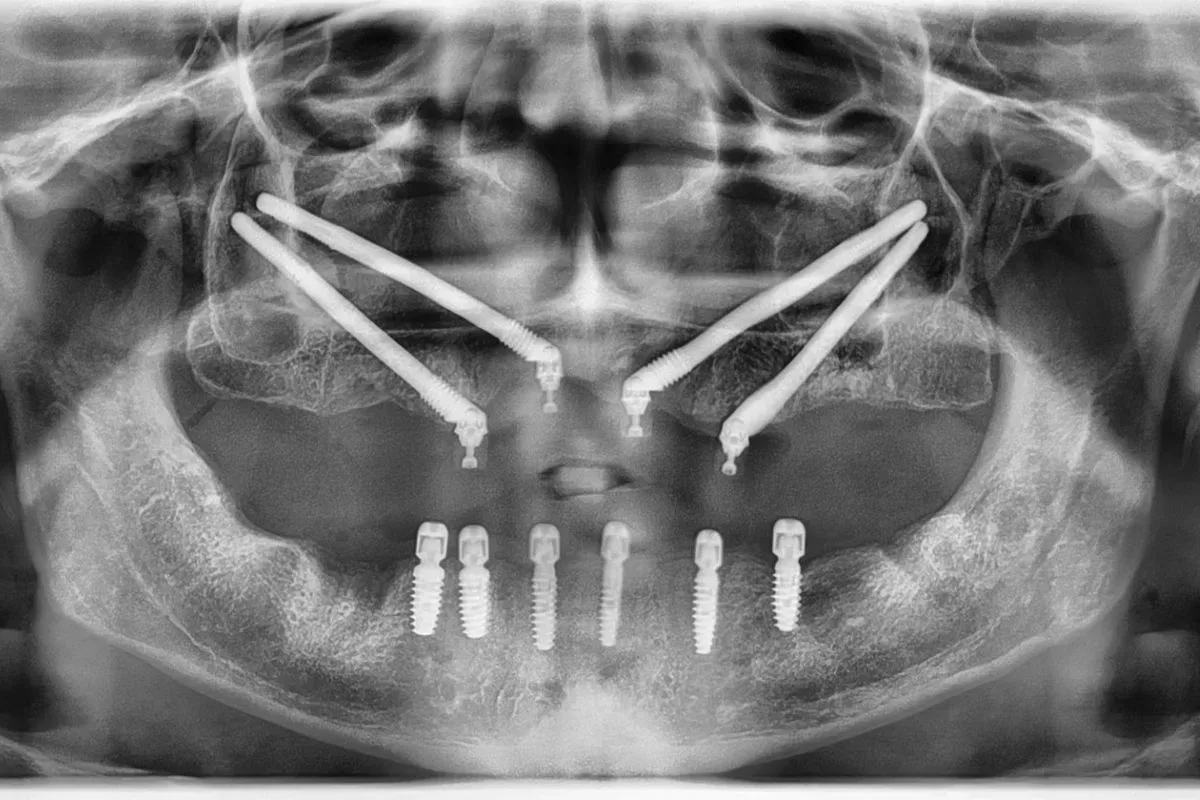
Bone grafting in Bursa is a controlled dental surgical procedure planned specifically for each patient after a detailed evaluation of their oral and jaw structure. At the clinic in Bursa, the process typically begins with an initial examination. During this stage, the patient’s oral condition is assessed, the area where the implant will be placed is evaluated, and radiological imaging methods—such as panoramic X-rays or, when necessary, 3D tomography—may be used to determine bone volume.
Following the evaluation, the implant plan is developed, and the need for a bone graft is determined. The procedure is usually performed under local anesthesia, ensuring the patient feels no pain during the procedure. Bone graft material is placed in the area where bone volume is insufficient to support the jawbone. The healing process is monitored after the procedure, and whether implant treatment will be performed during the same session or after healing is complete is determined based on the patient’s bone condition.
Is the Bone Grafting Procedure Painful?
One of the topics patients are most curious about before a bone grafting procedure is pain and comfort during the procedure. Bone grafting is generally a dental surgical procedure performed under local anesthesia. Therefore, the patient is not expected to feel any pain during the procedure. Once the treatment area is numbed, the graft is applied in a controlled manner, and the patient usually completes the procedure comfortably.
After the procedure, mild swelling, tenderness, a sensation of pressure, or short-term discomfort may occur. These symptoms are generally part of the normal healing process and can be managed with the medications prescribed by the dentist, cold compresses, and follow-up care instructions. To ensure healthy post-bone graft healing, it is important for the patient to avoid straining the treatment area, maintain good oral hygiene, and keep all follow-up appointments.
The Relationship Between Sinus Lift and Bone Grafting
A sinus lift is a procedure that may be necessary, particularly for patients planning implant treatment in the posterior region of the upper jaw. Since sinus cavities are located in the area where the posterior upper teeth are situated, some patients may not have sufficient bone height for implant placement. In such cases, the sinus floor is raised in a controlled manner through a sinus lift procedure, with the goal of creating a more suitable bone area for the implant.
A sinus lift and bone graft may be planned together for some patients. Especially when bone height is insufficient in the upper jaw, it may be necessary to reinforce the area using bone grafts or dental bone powder materials during the sinus lift procedure. However, this decision is not standardized for every patient; a personalized treatment plan is prepared after a detailed evaluation of the CT scan results, sinus structure, bone volume, and the implant site.
What Is the Bone Graft Healing Process Like?
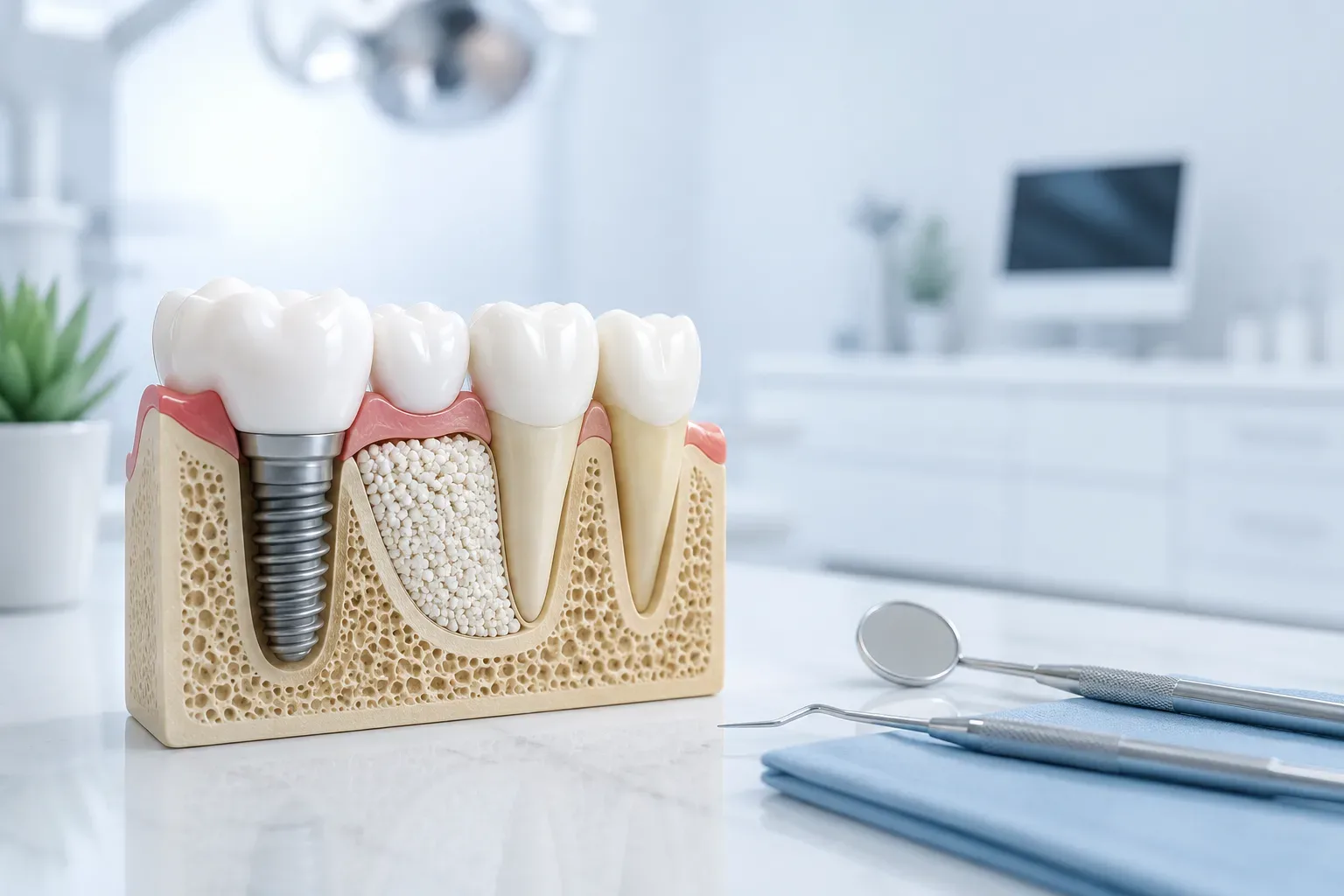
The bone graft healing process is the period required for the graft material to integrate with the jawbone and for the implant site to strengthen. The goal after bone grafting is to support the missing bone volume and make the area more suitable for dental implant treatment. During this process, protecting the grafted area, following up regularly, and adhering to the dentist’s recommendations are crucial for healthy healing.
The healing period varies from patient to patient. The patient’s jawbone structure, the extent of bone loss, the amount of bone graft applied, the treatment site, and the implant plan can all influence this duration. While implant treatment can be planned during the same session for some patients, in other cases it may be necessary to wait several months for the bone graft to integrate with the jawbone. For this reason, the bone graft healing process must be evaluated on a case-by-case basis.
What Should Be Considered After Bone Grafting?
It is very important to protect the surgical site during the first few days after bone grafting. Patients should avoid hard foods, refrain from putting pressure on the grafted area while chewing, and follow the care instructions provided by their dentist. Mild swelling, tenderness, or discomfort may occur during the initial period; this is generally a normal part of the healing process and can be managed with regular use of prescribed medications.
Maintaining good oral hygiene, avoiding smoking, and keeping all follow-up appointments are crucial for recovery after a bone graft. Smoking is particularly discouraged during this period, as it can negatively affect tissue healing. Additionally, the patient must avoid applying pressure to the treatment site and must correctly follow the doctor’s recommendations regarding antibiotics, pain relievers, or mouthwash. Having the healing process monitored by a dentist helps ensure that implant treatment is planned safely and at the appropriate time.
Can Bone Grafting and Implant Treatment Be Performed on the Same Day?
Whether bone grafting and implant treatment can be performed on the same day depends on the condition of the patient’s jawbone. In some patients with partial bone deficiency in the implant site, bone grafting and implant placement can be scheduled for the same session. In this case, the area can be supported with a bone graft or dental bone powder material at the same time the dental implant is placed.
However, same-day implant placement may not be suitable for every patient. If there is severe bone resorption, infection, insufficient bone volume, or any condition that could affect implant stability in the jawbone, bone grafting may be performed first, and the area may be allowed to heal. After this healing period, implant treatment can be planned more safely. The decision is made by the dentist after evaluating the jawbone volume, bone quality, the area where the implant will be placed, the presence of infection, and the results of the 3D tomography.
Bone Grafting and Dental Implant Treatment at Klinik Bursa
At Klinik Bursa, the bone grafting process is considered an important part of the planning for dental implant treatment in Bursa. For a successful outcome in implant treatment, simply placing an implant to replace a missing tooth is not sufficient; the thickness, height, density, and overall health of the jawbone where the implant will be placed must also be examined in detail. For this reason, pre-implant bone graft planning may be necessary for patients with insufficient bone structure.
At our clinic in Bursa, bone grafting treatment is planned on a case-by-case basis, taking into account the patient’s oral anatomy, the extent of tooth loss, the level of bone loss, and their expectations regarding the implant. Radiological analysis, intraoral examination, pre-implant preparation, and regular healing follow-up constitute the key stages of the process. Thanks to this approach, bone grafting in Bursa can be performed as a controlled, safe, and patient-centered supportive treatment to prepare for implant therapy.