Transparent Plaque Treatment
Crowding, spacing or slight bite problems can affect both aesthetic appearance and oral health. As a…
Read More
Teeth color is one of the most important factors that directly affect smile aesthetics and self-expression. Over time, yellowing or dulling of the teeth may occur due to tea, coffee, smoking, colored foods, aging, genetic structure and oral care habits. This may cause the smile to look paler even if the teeth are healthy. Teeth Whitening is a professional dentistry application that helps to achieve a brighter, cleaner and aesthetic appearance by lightening the discolorations on the tooth surface and enamel structure.
The teeth whitening process should be planned according to the patient's tooth structure, existing tooth color, the cause of discoloration and expectation. For this reason, questions such as "how is teeth whitening done?", "is teeth whitening harmful?", "how permanent is teeth whitening?" and "how do teeth whitening prices vary?" are among the most curious topics before the procedure. Especially in methods applied in a clinical environment such as laser teeth whitening, it is important to perform the procedure under the control of a physician in terms of both safety and natural results.
The right method for patients researching Bursa teeth whitening options can only be determined after a detailed examination. In Klinik Bursa, the teeth whitening process is planned individually by evaluating tooth and gum health and taking into account the patient's expectations. In this article, we will discuss in detail the methods of teeth whitening, the things to be considered before and after the procedure, the permanence process, laser teeth whitening application and the basic points to be known about Bursa teeth whitening prices.
Teeth Whitening is an aesthetic dentistry procedure applied to lighten the discolorations that occur on the tooth surface and enamel structure over time. Even if the teeth are healthy, they may lose their natural brightness due to daily habits, diet and the aging process. In this case, teeth may appear more yellow, dull or stained. Teeth whitening aims to achieve a brighter and more aesthetic smile appearance by reducing these discolorations.
The most common factors affecting tooth color include tea, coffee, cigarettes, red wine, colored drinks, some sauces and foods containing intense pigments. In addition, genetic tooth color, enamel structure, aging, neglect of regular oral care and some previous dental treatments can also cause tooth discoloration. For this reason, the cause of discoloration may be different in each patient and the method to be applied should be determined individually.
The important point for patients investigating Bursa teeth whitening options is that the procedure is planned after professional evaluation. Because teeth whitening is effective on natural tooth tissue; fillings, veneers or porcelain restorations do not lighten in the same way. For this reason, it is necessary to check tooth and gum health before the procedure, to determine the expectations correctly and to choose the appropriate whitening method for the patient.
Tooth Whitening can be preferred by people who are not satisfied with their tooth color and want a brighter, cleaner and aesthetic smile appearance. Over time, yellowing or dulling of the teeth may occur due to factors such as tea, coffee, smoking, colored foods and aging. This color change can negatively affect the smile aesthetics even if the person's oral health is good. In such cases, teeth whitening helps the natural tooth color to appear lighter and more vibrant.
Tooth whitening may also be on the agenda for patients who aim for a more aesthetic smile, especially before special occasions, weddings, graduations, job interviews or important social events. The difference before and after teeth whitening depends on the initial tooth color, the cause of the discoloration and the method used. For this reason, the patient's expectations should be realistically evaluated before the procedure.
Not every discoloration can be solved directly by whitening. Tartar, plaque accumulation, old fillings, porcelain veneers or composite restorations can cause color difference in teeth and these situations should be evaluated separately. For this reason, it is important to perform a detailed examination before choosing among teeth whitening methods. Thus, the most appropriate treatment plan can be created according to the patient's natural tooth structure, oral health and aesthetic expectations.
Teeth whitening methods can be planned differently according to the patient's tooth color, the cause of discoloration, tooth sensitivity and expectations. The most commonly preferred methods are clinical teeth whitening, home teeth whitening and combined teeth whitening. In order to decide which method is more appropriate, the existing color of the teeth, gum health, caries or sensitivity, if any, should be evaluated by the dentist.
Clinical whitening is a professional procedure applied in a clinical environment under the control of a dentist. In this method, the gums are protected, whitening gel is applied to the tooth surface and the process is carried out in a controlled manner for certain periods of time. Although the answer to the question "How is teeth whitening done?" varies depending on the method chosen, the main goal is to safely lighten the discoloration on the teeth. Clinic-type applications can be preferred for patients who want to get significant results in a shorter time.
In home whitening, plaques specially prepared for the patient and whitening products recommended by the physician are used. The patient applies these trays at home at the specified time and frequency. Combined bleaching is a method in which clinical and home bleaching are planned together. This approach may help to support a more balanced and long-lasting whitening effect in some patients. Each teeth whitening procedure should be planned according to the person's oral structure and expectations; uncontrolled products or unconscious applications should be avoided.
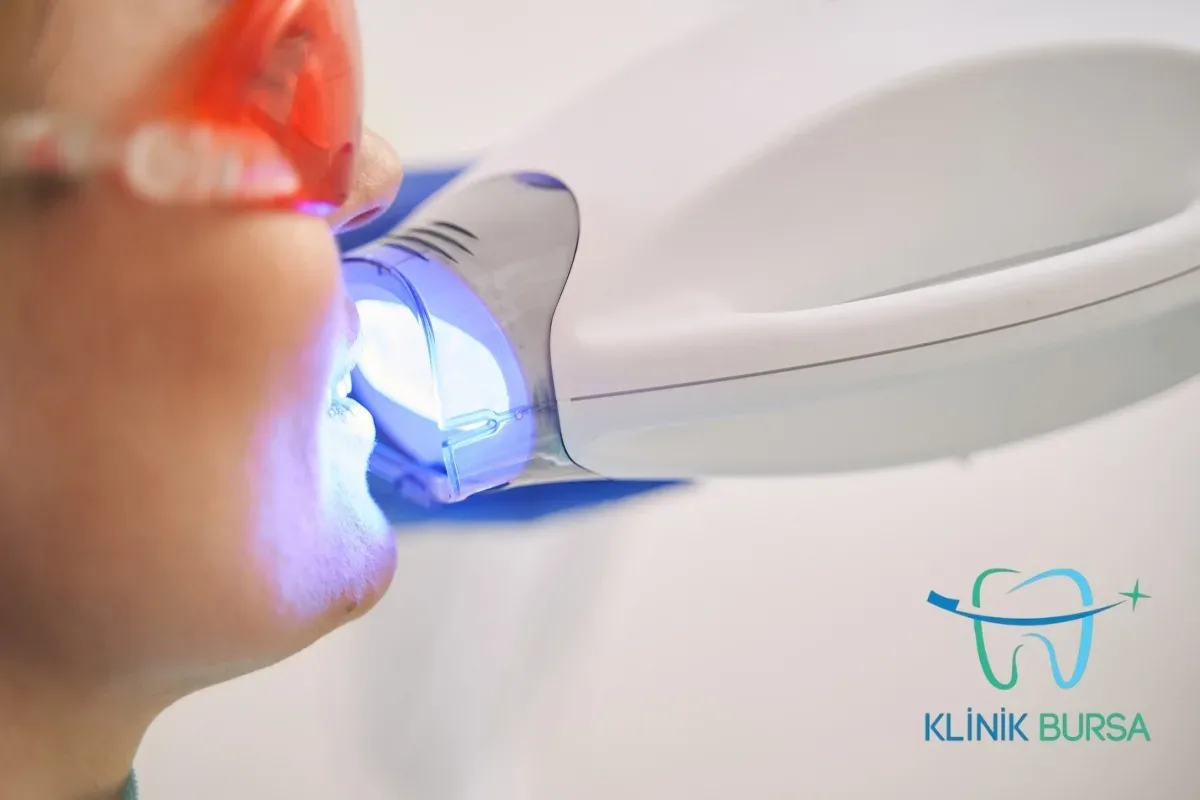
Laser teeth whitening is one of the professional whitening methods applied under the control of a dentist in a clinical environment. Before the procedure, the condition of the teeth and gums is evaluated; if there are conditions such as caries, gum problems, intense tartar or sensitivity, these problems may need to be taken under control first. Although the answer to the question "How is teeth whitening done?" varies according to the method, the main purpose of laser whitening is to lighten the discoloration of the teeth in a controlled and safe way.
During the procedure, the gums are first isolated with special protective materials. Then a professional whitening gel is applied to the tooth surface. This gel is activated with special light or laser support to lighten the tooth color. The duration of the application and the need for sessions may vary depending on the existing color of the teeth, the intensity of the discoloration and the patient's expectations. The physician ensures the safe progress of the process by controlling the tooth and gum tissues throughout the procedure.
Laser teeth whitening can be an effective option for patients who want a brighter smile appearance in a short time. However, the appropriate method may not be the same for every patient. Tooth sensitivity, enamel structure, existing restorations and the cause of discoloration must be evaluated. For this reason, laser teeth whitening should be planned after a professional examination and under the control of a physician instead of products used unconsciously at home.
The examination before teeth whitening is very important for planning the procedure safely, comfortably and in accordance with expectations. Because not all tooth discoloration occurs due to the same cause and the same whitening method may not be suitable for every patient. During the examination, calculus, plaque accumulation, caries, gum problems, cracks, sensitivity and existing fillings or coatings are evaluated in detail.
The whitening process is effective on natural tooth tissue; porcelain veneers, zirconium, laminate or old fillings do not lighten the color in the same way. For this reason, the expectation before and after teeth whitening should be determined realistically. If the teeth have extensive calculus, active caries or gingivitis, it would be better to treat these problems before the whitening process. Thus, the risk of sensitivity during the procedure can be reduced and a healthier result can be targeted.
In Bursa teeth whitening process, Dr. Dt. Kerem Turgut Atasoy creates a personalized plan by evaluating the patient's oral structure, tooth color and aesthetic expectations together. Thanks to this approach, the aim is not only a whiter appearance, but also a result that protects the patient's dental health and supports the natural smile aesthetics.
"Is teeth whitening harmful?" is one of the most frequently asked questions by patients who are considering having the procedure. Professional teeth whitening does not harm the teeth when it is applied under the control of a dentist, with appropriate products and the right techniques. The important thing here is to evaluate tooth and gum health before the procedure and to plan the whitening application according to the patient's oral structure.
The professional products used during teeth whitening have special ingredients to lighten the tooth color and are applied in a controlled manner by the dentist. However, the same method may not be suitable for every patient. If there is tooth sensitivity, caries, gingival recession, cracked enamel structure or existing restorations, these conditions should be evaluated first. For this reason, not only aesthetic expectations but also oral health should be taken into consideration when choosing among teeth whitening methods.
Conscious applications such as uncontrolled home-type products, whitening gels purchased from the internet, abrasive powders, carbonate-lemon can damage tooth enamel and gums. Although such methods may seem to make teeth look lighter in the short term, they can lead to sensitivity, enamel erosion and gum problems in the long term. For a safe and healthy result, it is recommended that teeth whitening should be planned after a dental examination.
The answer to the question "How permanent is teeth whitening?" may vary depending on the person's oral care habits, diet and tooth structure. The lighter tooth color obtained after professional whitening can be maintained for a long time; however, this effect is not completely permanent. Tea, coffee, cigarettes, colored beverages, foods containing intense pigments and neglecting oral care can cause tooth discoloration over time.
Although the term "permanent teeth whitening" is often thought by patients as a lifelong whiteness that never changes, this is not true. The whitening process lightens the color of the teeth; however, the teeth continue to be exposed to coloring foods and beverages in daily life. Therefore, the duration of the whitening effect is directly related to the post-procedure care process. Regular tooth brushing, flossing, professional scaling and dental check-ups help to maintain whiteness for a longer period of time.
It is important to stay away from colored foods and smoking, especially in the first days after the procedure, so that the difference before and after teeth whitening remains evident for a longer period of time. In addition, reducing tea and coffee consumption, paying attention to oral hygiene after consumption and following the care instructions recommended by the physician support the preservation of the results. If necessary, supportive whitening applications can be planned under the control of a physician at certain intervals.
The first days after teeth whitening are important in terms of preserving the color obtained and keeping the sensitivity under control after the procedure. Since teeth may be more susceptible to discoloration during this period, it is recommended to avoid tea, coffee, red wine, cola, tomato paste, spicy sauces and foods and beverages that give intense color. Smoking should also be avoided, especially in the post-procedure period, as it can cause tooth discoloration.
Attention to oral hygiene after whitening helps to maintain the result for a longer period of time. Teeth should be brushed regularly, dental floss or an interface brush should be used and the care instructions recommended by the dentist should be followed. Some patients may experience temporary sensitivity after teeth whitening. This sensitivity usually subsides in a short period of time; however, the dentist should be consulted in case of persistent or uncomfortable sensitivity.
The answer to the question "How permanent is teeth whitening?" is directly related to post-procedure care habits. Frequent consumption of colored foods, smoking and disruption of oral care can cause the whitening effect to decrease in a shorter time. The whitening result can be maintained for a longer period of time thanks to regular dentist checks, professional cleaning practices and proper oral care.
The first step in the Bursa teeth whitening process is for the patient to undergo a detailed oral and dental examination. During the examination, the current color of the teeth, the cause of discoloration, gum health, the presence of caries, sensitivity and restorations such as fillings or veneers, if any, are evaluated. This evaluation is important in determining whether teeth whitening is suitable for the patient and which method can achieve healthier results.
The teeth whitening planning at Klinik Bursa is personalized according to the patient's tooth structure and aesthetic expectations. Since each patient's initial tooth color, enamel structure and coloration level are different, the method to be applied may also differ. While clinic-type whitening is sufficient for some patients, in some cases, home-type supportive applications or combined whitening options can be evaluated.
Especially in cases where a more pronounced discoloration is aimed in a short time, laser teeth whitening may be an option. However, the suitability of this method should be determined by considering the patient's tooth sensitivity, gum condition and coloration type. With the right planning, it is aimed to achieve a natural-looking result and to maintain comfort after the procedure.
Tooth whitening prices may vary depending on the method to be applied, the scope of the procedure and the current condition of the patient's teeth. Since clinic whitening, home whitening and combined whitening methods have different application processes, the pricing may vary accordingly. For this reason, in order to give a clear answer to the question "how many TL for teeth whitening?", the teeth should first be examined and which method is appropriate should be determined.
Factors affecting the price include the level of discoloration in the teeth, the need for sessions, sensitivity, whether scaling is required before the procedure and the need for additional treatment. For example, if there are gum problems, decay, heavy plaque accumulation or discoloration caused by old restorations, these conditions may need to be evaluated before whitening. This may change the total treatment plan and the process that affects the cost of teeth whitening.
In teeth whitening, instead of making a price-oriented decision, it should be ensured that the procedure is performed under the control of a physician, with safe products and personalized planning. Because applications performed without choosing the right method may not give the desired result or may cause complaints such as sensitivity. The most accurate price information becomes clear after determining the patient's tooth structure, expectation and the whitening method needed.
When researching Bursa teeth whitening prices, it may not be the right approach to focus only on price information. Although teeth whitening is an aesthetic procedure, it should be planned under the supervision of a physician since it is directly related to tooth and gum health. The quality of the whitening materials used, the application of the procedure in a clinical environment, the protection of the gums and the selection of the appropriate method for the patient are important for both a safe and more successful result.
Tooth whitening prices may vary depending on the choice of clinic type, home or combined whitening, the number of sessions, the existing color of the teeth and whether additional treatment is required before the procedure. In some patients, only whitening is sufficient, while in some cases, scaling, decay treatment or gum problems may need to be eliminated. For this reason, the cost of teeth whitening becomes clear after personalized planning rather than a standard figure.
Dr. Dt. Kerem Turgut Atasoy, the patient's tooth structure, coloration level, sensitivity and aesthetic expectations are taken into consideration together. Thus, the patient is not only informed about the price, but also about which method is more suitable and how the result can be maintained after the procedure. This approach helps the teeth whitening process to proceed more consciously, safely and in accordance with patient expectations.
The teeth whitening process starts with the evaluation of tooth and gum health. In clinical applications, the gums are isolated with special protective materials and a professional whitening gel is applied to the tooth surface. Depending on the method chosen, this gel is kept on the tooth surface for certain periods of time or activated with special light/laser support. The aim is to achieve a brighter appearance by lightening the discoloration on the teeth in a controlled manner.
Tooth whitening is not a procedure that damages tooth enamel when performed under the control of a dentist and with appropriate products. However, caries, gum problems, cracks, sensitivity or existing restorations must be evaluated before the procedure. Uncontrolled whitening products purchased from the internet, abrasive powders or unconscious home applications can damage tooth enamel and gums. For this reason, professional application should be preferred for a safe result.
The permanence of teeth whitening varies according to the person's oral care, smoking, tea and coffee consumption, eating habits and regular dentist checks. The whiteness obtained after the procedure can be maintained for a long time; however, the teeth can be recolored over time. In particular, frequent consumption of colored foods and beverages, smoking and disruption of oral care can cause the whitening effect to decrease in a shorter period of time.
Laser teeth whitening can be considered for patients who have appropriate tooth and gum health and want to have a professional and controlled whitening procedure. However, the appropriate method is not the same for every patient. Tooth sensitivity, enamel structure, cause of discoloration, presence of caries and existing fillings or coatings should be examined before the procedure. For this reason, the suitability of laser teeth whitening should be determined by the physician after the examination.
The prices of teeth whitening in Bursa may vary according to the method to be applied, the preference for clinic or home whitening, the need for sessions, the existing color of the teeth and whether additional treatment is required. If there are conditions such as scaling, caries treatment, gum problems or sensitivity, the procedure plan may change. For this reason, for clear price information, an examination should be performed first and a personalized treatment plan should be created.
Crowding, spacing or slight bite problems can affect both aesthetic appearance and oral health. As a…
Read More
When tooth loss occurs in the posterior maxillary region, bone height may decrease over time and the…
Read More
Zirconium Dental Veneers are one of the most preferred veneer options for patients who want to have…
Read More
Aesthetic and healthy teeth are one of the most important elements that directly affect a person's s…
Read MoreContact us today to schedule your appointment.



Klinik Bursa, dişe dokunur...