Transparent Plaque Treatment
Crowding, spacing or slight bite problems can affect both aesthetic appearance and oral health. As a…
Read More
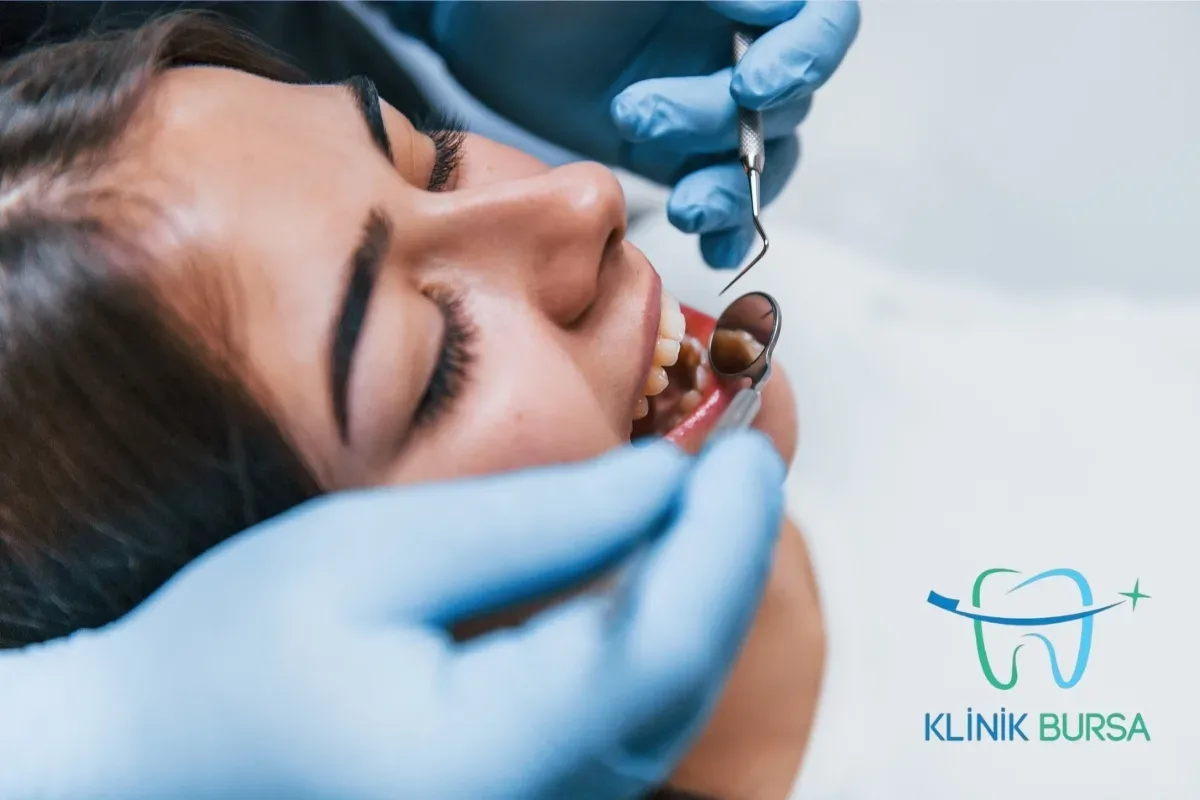
Symptoms such as toothache, hot and cold sensitivity, discomfort when chewing or swelling of the gums may indicate damage to the nerve tissue inside the tooth. In such cases, channel treatment is an important dental treatment that aims to remove infected or damaged tissues from the inside of the tooth and protect the tooth in the mouth without extraction.
Channel treatment is not only a temporary procedure to relieve pain. When planned correctly, it helps to preserve the chewing function of the tooth, prevent the progression of the infection and preserve the natural tooth for many years. The treatment process consists of detailed examination, x-ray evaluation, cleaning and disinfecting the root canals and supporting the tooth with appropriate filling or coating.
For patients considering root canal treatment in Bursa, Zeno Dent creates a personalized treatment plan by evaluating the current condition of the tooth in detail. In this article, we will explain what is root canal treatment, how is it performed, does root canal treatment hurt, is pain normal after the procedure and what are the prices of root canal treatment in Bursa.
Root canal treatment is a dental treatment applied in cases where the nerve and vascular tissue located inside the tooth is inflamed, infected or damaged. This living tissue in the center of the tooth is called the pulp. When deep caries, impacts to the tooth, fractures or advanced infections reach the pulp, problems such as severe pain, hot-cold sensitivity, discomfort during chewing or abscesses may occur.
The simplest answer to the question "What is root canal treatment?" is to clean the infected or damaged tissues from inside the tooth, disinfect the root canals and seal them with special filling materials. This process prevents the progression of infection and aims to keep the tooth in the mouth without extracting it. In other words, root canal treatment is an important treatment option to preserve the tooth in a healthy way instead of losing it.
For patients wondering what is dental root canal treatment, this procedure is not only a temporary application to relieve pain. When planned correctly, it helps to maintain the function of the tooth, preserve the chewing pattern and not adversely affect the neighboring teeth. After root canal treatment, the tooth can be used healthily in the mouth for many years when supported with the appropriate filling or crown.
Root canal treatment may be necessary when the nerve and vascular tissue inside the tooth is damaged or infected. One of the most common causes is deep decay. When decay breaks through the enamel and dentin layer and reaches the living tissue of the tooth, severe pain, hot and cold sensitivity and discomfort when chewing can occur. In addition, blows to the tooth, fractures, cracks or previous large fillings may also lead to the need for root canal treatment.
In some patients, the pain increases especially at night, starts spontaneously or persists for a long time after hot-cold contact. These symptoms may indicate inflammation in the inner tissue of the tooth. Endodontic root canal treatment is applied in such cases to clean the infected tissue and keep the tooth in the mouth without extraction. If the treatment is delayed, the infection may progress to the root tip and abscess, swelling or problems in the surrounding bone tissue may occur.
One of the issues that patients are curious about is the question "Does the tooth that has undergone root canal treatment hurt?". While pain before treatment is usually caused by infected nerve tissue, mild sensitivity may be observed for a few days after root canal treatment. However, in untreated infections, the pain may become more severe and the risk of losing the tooth may increase. For this reason, if there are symptoms such as prolonged toothache, night pain, chewing sensitivity or swelling, a dental examination should not be delayed.
"How is root canal treatment performed?" is one of the most curious questions of patients before treatment. The procedure usually starts with local anesthesia and the tooth to be treated is numbed. Thus, the patient does not feel pain during the procedure. Then, the decayed, broken or damaged tissues in the tooth are cleaned and the root canals located inside the tooth are reached.
The basic answer to the question "How is root canal treatment done in the tooth?" is to remove the infected or inflamed nerve tissue from the tooth. The dentist cleans, shapes and disinfects the root canals with special root canal instruments. This stage is very important for controlling the infection and preserving the healthy tooth. The number of canals, root structure and infection status of the tooth determine the details of the treatment process.
When the endodontic root canal treatment is completed, the cleaned root canals are closed with special filling materials. The upper part of the tooth is then restored with a filling or veneer if needed. The aim is both to eliminate the infection and to restore the chewing function of the tooth. Following the recommendations of the physician after the treatment helps the tooth to be used in a healthy way for a long time.
"Does root canal treatment hurt?" is one of the most common concerns of patients before treatment. Today, since root canal treatment is performed under local anesthesia, no pain is felt during the procedure. After the tooth to be treated and the surrounding tissues are numbed, the patient may only feel slight pressure, vibration or movement in the treated area. This sensation is not pain and progresses under the control of the physician throughout the procedure.
The effect of anesthesia is carefully controlled to avoid pain during root canal treatment. The patient's comfort is monitored more closely, especially in teeth that are inflamed or have been in pain for a long time. Before starting the treatment, it is made sure that the area is sufficiently numb. For this reason, patients often think of root canal treatment as a painful procedure due to past experiences or misinformation.
A few days after the procedure, there may be mild sensitivity or discomfort during chewing. Pain after root canal treatment is usually considered a temporary reaction of the surrounding tissues of the tooth to the treatment and decreases over time. However, if the pain increases gradually, swelling occurs, or significant discomfort persists when pressed on the tooth, it is necessary to consult a dentist.
The answer to the question "How long does root canal treatment take?" may vary depending on the location of the tooth to be treated, the number of root canals, the level of infection and the general condition of the tooth. Since the number of canals in the front teeth is usually less, the procedure may take less time, while the treatment can be planned in more detail since there are more than one canal in the molars. Therefore, the duration of root canal treatment is not the same for every patient and every tooth.
As in the title "How is root canal treatment performed?", the treatment consists of numbing the tooth, cleaning the decayed tissues, accessing the root canals, removing the infected tissues, shaping the canals and closing them with special filling materials. If the tooth has a severe infection, abscess or advanced inflammation that needs to be cleaned in the canal, the treatment may not be completed in a single session. In such cases, several sessions can be planned according to the condition of the tooth.
The aim of the endodontic root canal treatment process is to clean the internal structure of the tooth correctly and to support long-term success rather than to finish the procedure quickly. In some cases, root canal treatment can be completed on the same day, while in some cases, temporary filling is applied and the tooth is followed up and permanent filling or restoration is performed in the next session. The most accurate timing is determined after examination and x-ray evaluation.
Pain after root canal treatment can be seen as mild tenderness or a feeling of pressure during chewing, especially in the first few days. This is often a temporary reaction of the surrounding tissues to the treatment. Although the infected tissues inside the tooth are cleaned during root canal treatment, it may take time for the surrounding tissues at the root tip to heal. For this reason, it is generally considered normal to have mild tingling or sensitivity to pressure after the procedure.
One of the frequently asked questions of patients is "Does the tooth that has undergone root canal treatment hurt?". Since the nerve tissue is cleaned in the tooth that has undergone root canal treatment, the old type of hot-cold pain is not expected; however, short-term pain may occur due to the connective tissues around the tooth, infection history or temporary sensitivity after the procedure. Regular use of the medications recommended by the physician, not chewing hard foods with the treated tooth and not interrupting the control appointments make this process more comfortable.
The pain is expected to decrease day by day. However, if the pain gradually increases, becomes throbbing, swelling of the gums occurs, significant discomfort persists during chewing or is accompanied by complaints such as bad taste, a doctor should be consulted. In some cases, these symptoms may indicate that the infection persists, the filling remains high or a different problem has developed. Early check-up for signs of failed root canal treatment is important for re-evaluating the tooth and creating the necessary treatment plan.
For eating after root canal treatment, the effect of local anesthesia should be expected to completely disappear. Eating while numbness persists may cause you to bite your cheek, lips or tongue without realizing it. Avoiding very hot foods and drinks in the first hours, not forcing the treated area and preferring softer foods will provide a more comfortable process.
If the treatment was not completed in a single session or if the tooth has a temporary filling, hard foods should not be chewed with the tooth. Hard-shelled foods, sticky foods or foods that exert too much force on the tooth may damage the temporary filling or cause tooth sensitivity. In order to reduce pain and chewing sensitivity after root canal treatment, the physician's recommendations should be followed and the treated tooth should be used carefully until it is completed with a permanent filling or coating.
After root canal treatment, oral hygiene should not be neglected. Teeth should be brushed regularly, flossed or an interface brush should be used and the treatment area should be gently cleaned. Attending follow-up appointments on time is also important for the success of the treatment. If the pain gradually increases, swelling occurs, the temporary filling falls out or if significant discomfort persists when pressed on the tooth, the dentist should be consulted.
"Does a root canal treatment tooth hurt?" is a common question that patients who experience sensitivity after treatment often wonder. Since the infected nerve tissue inside the tooth is cleaned during root canal treatment, pain due to the old type of hot-cold sensitivity is not expected in the treated tooth. However, short-term sensitivity may occur after the procedure due to the connective tissues around the tooth, the root tip area and chewing forces.
In some cases, pain may occur again in a tooth that has undergone root canal treatment. This may be due to the failure of the root canal treatment, persistence of infection at the root tip, overfilling, cracks in the tooth, delayed permanent restoration or re-introduction of bacteria into the tooth. In such cases, the tooth is re-evaluated within the scope of endodontic root canal treatment and, if necessary, root canal treatment renewal, filling arrangement or different treatment options can be planned.
Symptoms of unsuccessful root canal treatment may include prolonged pain, marked tenderness during chewing, swelling of the gums, abscess, bad taste, discoloration or signs of infection at the root tip on x-ray. If the pain does not decrease over time, but on the contrary increases or is accompanied by swelling, it is necessary to consult a dentist instead of waiting. Early control is important in terms of protecting the tooth and treating the problem before it grows.
Symptoms of unsuccessful root canal treatment can be manifested by prolonged pain in the treated tooth, significant sensitivity during chewing or swelling of the gums. Mild sensitivity may be considered normal for a few days after root canal treatment; however, the pain is expected to decrease over time. If the pain increases gradually after root canal treatment, becomes throbbing or severe discomfort occurs when pressed on the tooth, the tooth should be re-evaluated.
In case of unsuccessful root canal treatment, abscess, bad taste, bad breath, bad breath, discoloration or recurrent swelling in the affected area may occur. In some cases, even if the patient does not feel significant pain, signs of infection at the root tip can be detected on an X-ray image. For this reason, prolonged sensitivity, recurrent infection or discomfort during chewing should not be neglected in teeth that have undergone root canal treatment.
When such symptoms are observed, the canal structure of the tooth, root tip tissues, existing filling or coating status are examined in detail within the scope of endodontic root canal treatment. If necessary, root canal treatment renewal, filling arrangement, abscess treatment or different restorative procedures can be planned. The aim is to control the source of infection and, if possible, to keep the tooth healthy in the mouth without extracting it.
The first step in the Bursa root canal treatment process is a detailed oral examination of the patient and careful evaluation of the problematic tooth. The physician examines the level of decay in the tooth, the character of the pain, hot-cold sensitivity, discomfort during chewing and swelling or abscess findings, if any. If necessary, X-rays are taken to evaluate the root structure of the tooth, the number of canals and whether the infection has reached the root tip.
Canal treatment at Clinic Bursa is planned individually according to the current condition of the tooth and the needs of the patient. In some teeth, the treatment can be completed in a single session, while in cases where the infection is advanced or the root canals need to be cleaned in more detail, several sessions may be required. While creating the treatment plan, the salvageability of the tooth, canal structure, infection status and the need for filling or coating after the procedure are considered together.
The aim of the endodontic root canal treatment process is not only to relieve pain, but also to keep the tooth healthy in the mouth without pulling it out. For this reason, it is important to support the superstructure of the tooth with a strong filling or, if necessary, a crown after root canal treatment. With proper planning, regular check-ups and the patient's compliance with the doctor's recommendations, the treated tooth can maintain its function for many years.
Reprices for root canal treatment may vary depending on the location of the tooth to be treated, the number of canals, the level of infection and the number of sessions to be completed. Since the number of canals in the front teeth is usually less, the treatment process may be shorter, while the procedure can be planned in more detail since there are more than one canal in the molars. For this reason, not all root canal treatments are considered in the same scope.
The answer to the question "How is root canal treatment performed?" is directly related to the factors affecting the price. During the treatment, decayed tissues must be cleaned, root canals must be found, infected tissues must be removed, canals must be shaped and sealed with special filling materials. If the tooth has an abscess, advanced infection, curved root structure or a previous unsuccessful root canal treatment, the process may become more extensive.
When determining the cost of root canal treatment, the need for x-rays, the number of sessions, the materials used and the need for filling or coating after treatment are also taken into account. In some teeth, only filling may be sufficient after root canal treatment, while teeth with high material loss may need to be supported with veneers. For this reason, for clear price information, an examination should be performed, the condition of the tooth should be evaluated and a personalized treatment plan should be created.
When researching Bursa root canal treatment prices, it may not be the right approach to focus only on price information. Root canal treatment is a sensitive procedure that concerns the internal structure of the tooth, root canals and infection status. For this reason, the evaluation of the physician, the salvageability of the tooth, the root structure, the number of canals and how the tooth will be restored after the procedure should be considered together when creating the treatment plan.
Canal treatment prices may vary depending on the materials used, the need for sessions, whether the tooth is a front tooth or molar, the level of infection and the need for filling or coating after treatment. In some patients, root canal treatment can be completed in a single session, while in some cases, several sessions may be required to control the infection. In addition, if a previously failed root canal treatment needs to be renewed, the process can be planned in more detail.
The root canal treatment process at Clinic Bursa is planned individually by evaluating the patient's complaints and the current condition of the tooth. The aim is not only to relieve the pain, but also to protect the tooth as much as possible and to ensure its healthy use in the long term. For this reason, the most accurate information about the cost of root canal treatment can be given by clarifying the scope of treatment after examination and x-ray evaluation.
Root canal treatment is a treatment that aims to keep the tooth in the mouth by removing infected, inflamed or damaged nerve tissue in the interior of the tooth. In cases such as deep decay, trauma, fracture or advanced infection, the living tissue of the tooth may be damaged. With root canal treatment, these tissues are cleaned, root canals are disinfected and sealed with special filling materials. Thus, it is aimed to protect the tooth from extraction.
Root canal treatment usually starts with local anesthesia. After the tooth is anesthetized, decayed or damaged tissues are removed and the root canals inside the tooth are accessed. The canals are cleaned and shaped with special instruments and the infection is controlled. The root canals are then sealed with special filling materials. At the end of the treatment, the upper part of the tooth is restored with a filling or, if necessary, a crown.
Since root canal treatment is performed under local anesthesia, no pain is felt during the procedure. The patient may only feel slight pressure, vibration or movement in the treated area. For a few days after the anesthesia wears off, slight tenderness or discomfort when chewing may occur. This is usually temporary and can be controlled if the doctor's recommendations are followed.
Mild pain, tenderness or discomfort when pressing on the tooth may be considered normal in the first days after root canal treatment. This is a temporary reaction of the tissues around the tooth to the treatment. However, if the pain gradually increases, becomes throbbing, swelling occurs or persists for a long time, you should consult a dentist. These symptoms may require a re-evaluation of the tooth.
Reprices for root canal treatment in Bursa may vary depending on the location of the tooth, the number of canals, the level of infection, the need for a session and whether a filling or coating is required after the procedure. Since the canal structure of the front teeth and molars are different, the treatment process can be planned differently. For the most accurate price information, an examination should be performed, the tooth should be evaluated by x-ray and a personalized treatment plan should be created.
Crowding, spacing or slight bite problems can affect both aesthetic appearance and oral health. As a…
Read More
When tooth loss occurs in the posterior maxillary region, bone height may decrease over time and the…
Read More
Zirconium Dental Veneers are one of the most preferred veneer options for patients who want to have…
Read More
Aesthetic and healthy teeth are one of the most important elements that directly affect a person's s…
Read MoreContact us today to schedule your appointment.



Klinik Bursa, dişe dokunur...