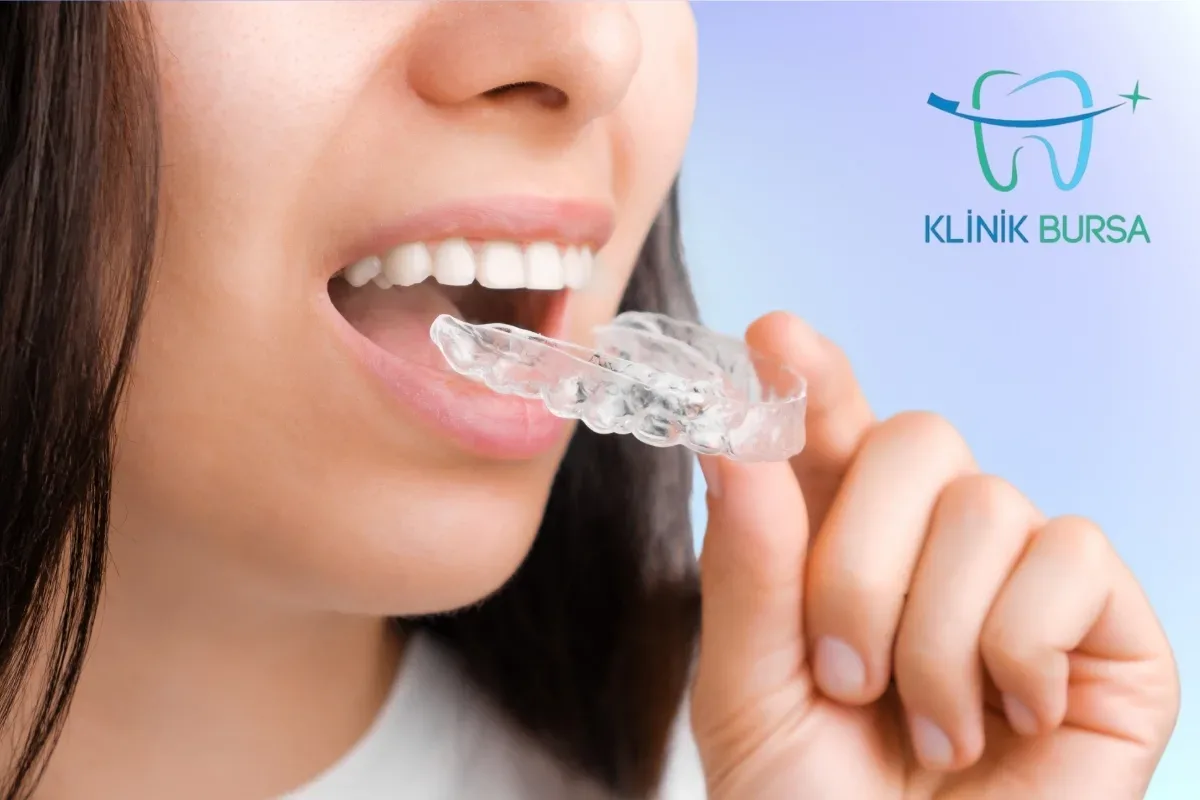
Transparent Plaque Treatment
Crowding, spacing or slight bite problems can affect both aesthetic appearance and oral health. As a…
Read More
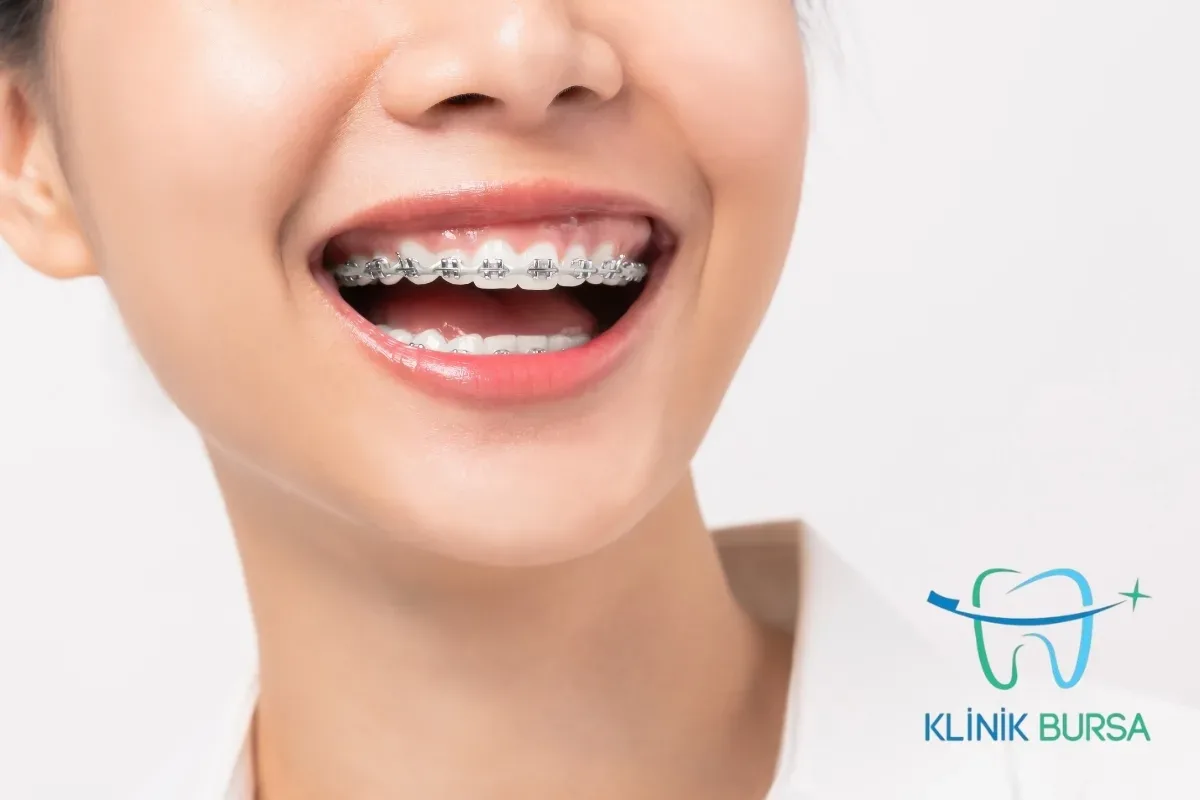
Crooked teeth, gaps or malocclusion can affect not only the aesthetics of the smile, but also chewing function, speech and oral hygiene. Orthodontic treatment is a personalized treatment process that aims to restore the teeth and jaw structure to a healthier, balanced and aesthetic position. In this process, the most appropriate method is determined by evaluating the patient's tooth alignment, jaw closure, age and expectations.
In orthodontic treatment, braces, aesthetic brackets, transparent plates or different orthodontic appliances can be used. Which method is preferred depends on the level of crowding, bite problem, jaw relationship and the patient's compliance with the treatment. Therefore, orthodontic treatment should be considered not only as an aesthetic application but also as a planned process that supports long-term oral and dental health.
For patients considering orthodontic treatment in Bursa, Zeno Dent shapes the process according to the needs of the patient with a detailed examination and personalized planning approach. In this article, we will explain what orthodontics is, how orthodontic treatment is performed, who it is suitable for, how long the treatment lasts, and how orthodontic prices in Bursa vary.
Orthodontics is a field of dentistry that deals with crowding, spacing, bite disorders and jaw relationship problems. It aims not only to make the teeth look straight, but also to make them healthier in terms of chewing, speech and oral hygiene. For this reason, orthodontic treatments have an important place both aesthetically and functionally.
"What is orthodontics?" can be answered in its simplest form as the field that deals with the diagnosis and treatment of irregularities in the tooth and jaw structure. If the teeth are not in the position they should be, it can make teeth cleaning difficult, affect chewing balance and lead to jaw joint or bite problems in some patients. Thanks to orthodontic evaluation, these problems can be recognized at an early stage and a personalized treatment plan can be created.
For patients wondering "What does orthodontics mean?", this field can be explained as a specialty branch that aims to achieve a more balanced, healthy and aesthetic structure of the teeth and jaws. Orthodontic treatment can be planned for children, teenagers and adults with different methods. Which method is appropriate is determined by evaluating the patient's age, tooth alignment, jaw structure and expectations.
Orthodontic treatment is a dental treatment applied to bring the teeth and jaw structure to a healthier, balanced and aesthetic position. Crowding, gaps, malocclusion and jaw relationship problems are determined by orthodontic evaluation. Then, a personalized plan is created according to the patient's age, tooth structure and treatment needs.
The answer to the question "What is orthodontic treatment?" is not only an aesthetic application that makes the teeth look smoother. Teeth that do not line up properly can make oral care difficult and can lead to tooth decay, gum disease or chewing problems. Closing disorders can have negative effects on the jaw joint, speech and chewing function.
"What is orthodontic treatment?"
For patients wondering "What is orthodontic treatment?", this process is the controlled orientation of the teeth to their ideal positions using braces, clear aligners or different orthodontic appliances. The aim of the treatment is both to achieve a more aesthetic smile and to ensure that the teeth are used in a healthier and more balanced way in the long term.
"Which department is orthodontics?" is one of the most frequently asked questions by patients with crowding, spacing or bite problems. Orthodontics is the specialty of dentistry that deals with dental and jaw irregularities. For this reason, orthodontic treatments are planned by physicians specializing in orthodontics after dentistry education.
The orthodontist creates a personalized treatment plan by evaluating the alignment of the teeth, jaw closure, facial structure and the relationship between the teeth. During the treatment process, braces, clear aligners or different orthodontic appliances can be used. Which method is appropriate is determined according to the patient's age, tooth structure, bite problem and aesthetic expectations.
Patients sometimes use the expression "orthodontic doctor". Although this expression is generally used to describe dentists working in the field of orthodontics, the correct approach is that orthodontic treatment planning is done by experienced physicians in this field. Accurate expert evaluation is important for the successful progress of the treatment both aesthetically and functionally.
Orthodontic treatment may be necessary in cases where the teeth are not properly aligned, the jaw closure is not ideal, or there are aesthetic and functional problems between the teeth. Problems such as crowded teeth, overlapping teeth, spaced dentition, and improper closure of the upper and lower teeth may require orthodontic evaluation. Such conditions can affect not only the appearance of the smile, but also chewing patterns and oral hygiene.
Dental orthodontic treatment is especially important for crowding that makes teeth difficult to clean. Plaque and food debris can build up more easily between teeth that are not lined up properly, which can increase the risk of tooth decay and gum problems over time. In addition, problems such as upper and lower jaw incompatibility, open bite, deep bite or cross bite can lead to chewing difficulties, tooth wear and jaw joint disorders in some patients.
The answer to the question "What is orthodontic treatment?" can be understood more clearly at this point: Orthodontic treatment is a planned process that aims to bring the teeth and jaw structure to a healthier, balanced and aesthetic position. Orthodontic treatment may also be preferred due to aesthetic concerns; however, the treatment decision should not be based solely on appearance. The most appropriate treatment method is determined after a detailed evaluation of tooth alignment, bite relationship, jaw structure and oral health of the patient.
Orthodontic treatment is a process that starts with a detailed examination and personalized planning. In the first evaluation, the alignment of the teeth, jaw closure, tooth spacing, level of crowding and facial structure are examined together. If necessary, X-rays, intraoral photographs and digital measurements are taken for a more comprehensive analysis of the treatment. This stage is very important in terms of determining the most appropriate method for the patient.
After the treatment plan is created, braces, clear aligners or different orthodontic appliances can be used according to the patient's needs. In braces treatment, the teeth are moved in a controlled manner with the help of brackets and wires, while in clear aligner treatment, the teeth are gradually straightened by changing the customized aligners at certain intervals. In this process, the orthodontic doctor regularly monitors tooth movements and makes the necessary adjustments.
Regular control appointments are of great importance for the successful progress of the treatment. During the orthodontic appointment process, the movement of the teeth is evaluated, necessary adjustments are made in the use of braces or aligners and care recommendations are given to the patient. The patient's attention to oral hygiene, correct use of appliances and regular check-ups directly affect the duration and outcome of treatment.
Orthodontic treatment can be planned with different methods according to the patient's tooth structure, age, bite problem and aesthetic expectations. One of the most commonly used methods is metal braces. With the help of metal brackets and wires, controlled force is applied to the teeth and the teeth are directed to their ideal position over time. Metal braces can be an effective option, especially in cases where more extensive tooth movement is required.
Ceramic or transparent brackets may be preferred in patients with aesthetic expectations. Since these braces look closer to the color of the teeth, they offer a more aesthetic appearance than classic metal braces. In recent years, transparent aligners are also frequently used in dental orthodontic treatments. Transparent aligners allow the teeth to be corrected gradually with customized aligners that can be removed while eating. However, not all cases may be suitable for transparent aligners.
In children, different orthodontic appliances can be used to guide jaw development, follow the eruption pattern of teeth or control bite problems in the early period. Which method is preferred is decided after a detailed examination by the orthodontist. When choosing a treatment, not only the aesthetic appearance, but also the health of the teeth, jaw closure, age, duration of treatment and the patient's compliance with the treatment should be evaluated together.
Pediatric orthodontic evaluation is important to follow the eruption pattern of teeth, jaw development and bite relationship in the early period. Since the jaw structure is still developing during childhood, some orthodontic problems can be managed in a more controlled manner when they are recognized early. Orthodontic examination should not be delayed if there are crowded teeth, early loss of milk teeth, finger sucking habit, mouth breathing, upper and lower jaw incompatibility or bite problems.
Every child does not need orthodontic treatment at an early age. However, early control helps to recognize more serious dental and jaw problems that may occur in the future. In some children, regular follow-up alone may be sufficient, while in some cases, jaw development-guiding appliances, space maintainers or early orthodontic applications may be required. In this way, a healthier eruption of permanent teeth and a more balanced development of the jaw bite can be supported.
Orthodontic evaluation in children must be performed by an orthodontic specialist. With the expert evaluation, the child's dental age, jaw development, the condition of milk and permanent teeth, bite relationship and habits are examined together. Correct planning in the early period can help reduce the need for longer and more comprehensive treatment in later years.
Orthodontic treatment is not only for children or young people. Orthodontic treatment can also be planned for adults with appropriate dental and gum health for crowding, gaps, malocclusion or aesthetic concerns. Today, adult patients can frequently apply for orthodontic treatments to improve their oral health and to achieve a more aesthetic smile.
When planning dental orthodontic treatment in adults, gum health, bone support, existing fillings, veneers, missing teeth and jaw closure are evaluated in detail. Different methods such as braces, aesthetic brackets or clear aligners can be used. Which method will be appropriate is determined according to the current position of the teeth, the bite problem, the patient's expectations and compliance with the treatment.
In this process, the orthodontic doctor creates a personalized plan by evaluating the patient's oral structure and treatment goals together. Tooth movement in adults may require more controlled and careful follow-up than in children; however, successful results can be achieved with proper planning and regular check-ups. Therefore, age alone is not an obstacle for orthodontic treatment; the important thing is that the teeth and surrounding tissues are suitable for treatment.
The duration of orthodontic treatment may vary depending on the level of crowding in the teeth, jaw closure, the treatment method to be applied and the patient's regular attendance to control appointments. While treatment can be completed in a shorter time for mild dental irregularities, the process can be planned longer for advanced crowding, jaw incompatibilities or comprehensive bite problems. Therefore, the duration of orthodontic treatment is not the same for every patient.
The answer to the question "What is orthodontic treatment?" can be considered as the controlled movement of the teeth and jaw structure to the ideal position over time. In order for these movements to take place in a healthy way, appropriate force is applied to the teeth at certain intervals. In treatments with braces, clear aligners or different orthodontic appliances, the process progresses according to the stages planned by the physician.
It is very important to follow the orthodontic appointment schedule for the treatment to progress as planned. During the controls, tooth movements are monitored, necessary adjustments are made and the treatment plan is updated. Paying attention to oral hygiene, using the appliances correctly and keeping the appointments supports both the success of the treatment and the duration of the treatment.
The first step in Bursa orthodontics process is a detailed orthodontic examination. In this examination, the alignment of the teeth, the level of crowding, tooth spacing, the relationship between the upper and lower jaw, the bite and facial structure are evaluated together. If necessary, X-rays, intraoral photographs or digital measurements are taken and treatment planning is done in more detail.
At Clinic Bursa, orthodontic treatment is planned individually, taking into account the patient's age, tooth structure, jaw development, bite problem and aesthetic expectations. While braces may be more appropriate for some patients, more aesthetic and removable options such as clear aligners may be considered for others. When determining the treatment method, not only the appearance but also the long-term health of the teeth and chewing function are taken into consideration.
In this process, the evaluation made by the orthodontist is important in terms of starting the treatment with the right method and at the right time. After the treatment plan is created, the process, estimated treatment time, control appointments and points to be considered are explained to the patient in detail. Thus, the patient can start orthodontic treatment more consciously and safely.
Orthodontics prices may vary according to the patient's tooth structure, level of crowding, bite problem and the treatment method to be applied. Treatments with braces, aesthetic brackets, clear aligners or different orthodontic appliances have different planning processes. For this reason, orthodontic treatment of each patient is not evaluated in the same scope.
One of the most important factors affecting the price is the case difficulty. While a shorter treatment may be sufficient for mild tooth crowding, treatment time may be prolonged in cases of severe bite problems, jaw incompatibilities or more extensive tooth movement. The type of appliance to be used, the frequency of control, the arrangements to be made during the treatment process and the reinforcement phase can also have an impact on the total cost.
In order to provide clear price information, a detailed examination should be performed first. During the orthodontic appointment process, a personalized treatment plan is created by evaluating the alignment of the teeth, jaw closure, treatment needs and patient expectations. The most accurate price information becomes clear after the method to be applied, the estimated treatment time and the apparatus to be used are determined.
When researching Bursa orthodontics prices, it may not be the right approach to focus only on price information. Orthodontic treatment is a personalized process that affects the long-term health of the teeth and jaw structure. For this reason, the treatment plan, the orthodontic evaluation of the physician, the method to be used and the difficulty level of the case should be considered together when evaluating the price.
Orthodontic prices may vary according to the use of braces, aesthetic brackets, transparent plates or different orthodontic appliances. In addition, the duration of treatment, the frequency of control appointments, the level of crowding in the teeth, the bite problem and the post-treatment consolidation phase can also affect the price. While a shorter and simpler plan may be sufficient for some patients, some cases may require a longer and more detailed treatment.
The Bursa orthodontics process at Clinic Bursa is planned individually by evaluating the patient's tooth alignment, jaw closure, age, aesthetic expectations and oral health. The aim is not only to provide price information, but also to determine the most appropriate treatment method for the patient's needs and to ensure the healthy progress of the process. Therefore, the most accurate price information becomes clear after a detailed orthodontic examination and treatment planning.
Orthodontics is a field of dentistry that deals with crowding, spacing, bite disorders and jaw relationship problems. The aim is not only to achieve straighter looking teeth, but also to create a healthier structure in terms of chewing, speech, oral hygiene and jaw closure. With orthodontic evaluation, the current condition of the teeth and jaw structure is examined and a personalized treatment plan is prepared.
Orthodontic treatment begins with a detailed examination. If necessary, x-rays, intraoral photographs, digital measurements or model analyzes are taken to evaluate the condition of the teeth and jaw structure. Then, treatment is planned with braces, aesthetic brackets, transparent plates or different orthodontic appliances according to the needs of the patient. During the treatment process, regular checks are made and it is monitored whether the teeth are moving as planned.
Orthodontic treatment may be suitable for children, adolescents and adult patients with crowding, spacing, malocclusion, upper and lower jaw incompatibility or aesthetic concerns. In children, early orthodontic evaluation is important to follow jaw development. In adults, orthodontic treatment can be planned as long as tooth and gum health is appropriate. The best decision is made after a detailed examination.
The duration of orthodontic treatment varies according to the degree of difficulty of the case, the level of crowding in the teeth, the bite problem, the treatment method used and the patient's compliance with control appointments. While the process may be shorter in mild dental irregularities, treatment may take longer in advanced crowding or jaw bite problems. Regular check-ups, good oral hygiene and the correct use of appliances help the treatment process to proceed as planned.
Orthodontic prices in Bursa may vary according to the treatment method to be applied, the duration of treatment, the level of crowding in the teeth, the bite problem, the appliances to be used and the control process. Different methods such as braces, aesthetic brackets or clear aligners have different planning and application processes. Therefore, for clear price information, an orthodontic examination should be performed first and a personalized treatment plan should be created.
Crowding, spacing or slight bite problems can affect both aesthetic appearance and oral health. As a…
Read More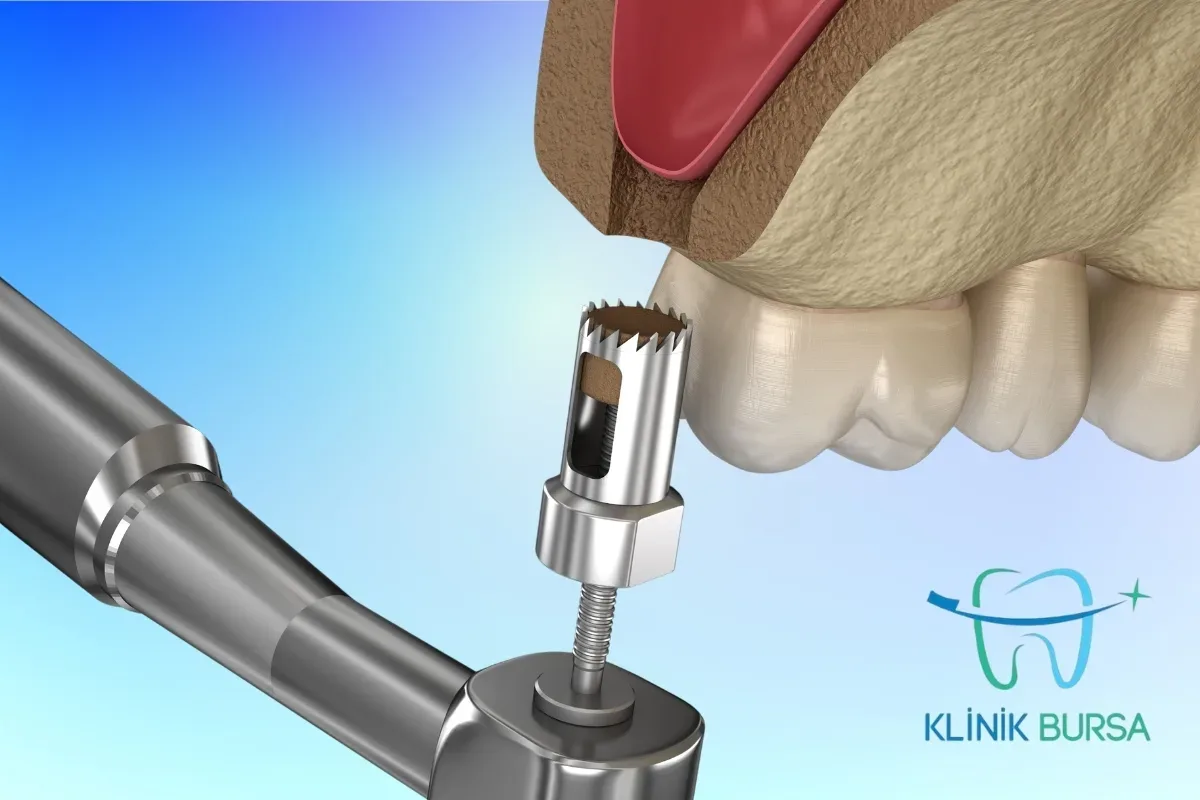
When tooth loss occurs in the posterior maxillary region, bone height may decrease over time and the…
Read More
Zirconium Dental Veneers are one of the most preferred veneer options for patients who want to have…
Read More
Aesthetic and healthy teeth are one of the most important elements that directly affect a person's s…
Read MoreContact us today to schedule your appointment.



Klinik Bursa, dişe dokunur...